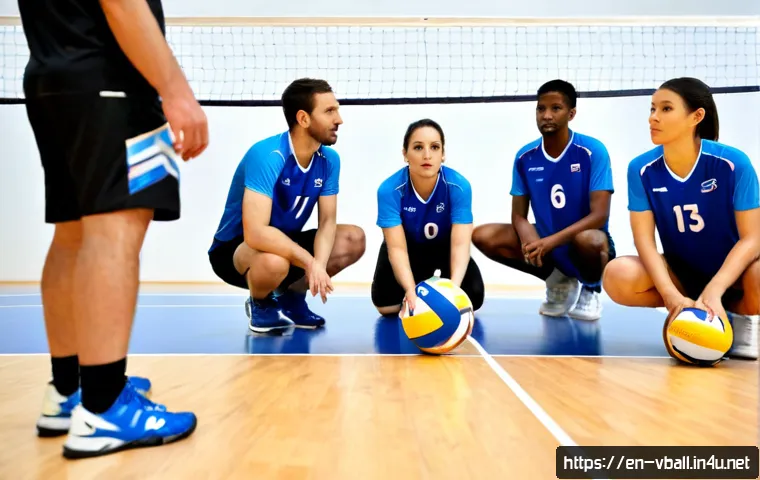
Effective volleyball tactics start with a clear serve-receive plan, blocking assignments, defensive coverage, and simple in-match adjustments. Learn how to choose strategies based on your roster, opponent, and available coaching resources.

An effective volleyball game plan starts with three priorities: targeted serving, shared blocking and defensive responsibilities, and a simple transition plan after the dig.
Build those priorities for every rotation, then make only the adjustments your players can communicate under pressure. Teams with limited practice time usually benefit more from clear serve targets and coverage calls than from adding complex systems.
Video analysis, private coaching, and training equipment can help, but their value depends on what your team actually needs to improve. The best tactical choice is the one that fits your passing quality, serving consistency, communication level, and the information you have about the opponent.
At a Glance
- Serve with a purpose: target a weaker passer, move the setter, or reduce the opponent’s attacking options.
- Defend as one unit: blocking and backcourt defenders need the same expectation for likely attack directions.
- Plan by rotation: every serve-receive and blocking matchup can change after your team wins the right to serve and rotates.
| Tactical Priority | Best When | Preparation Needed | Useful Support |
|---|---|---|---|
| Targeted serving | You can identify a weaker passer or disrupt the setter | Clear targets and a backup serving choice | Simple scouting notes, video review |
| Read blocking | Your blockers can watch the setter and react together | Shared blocking language | Blocking drills, private coaching |
| Commit blocking | An opponent has a predictable attacking preference | Reliable opponent information | Opponent video, coaching software |
| Organized backcourt defense | Your team needs fewer open spaces behind the block | Named zones and coverage responsibilities | Floor markers, training equipment, video analysis |
The Core of an Effective Volleyball Game Plan
Three priorities: serve pressure, organized defense, and transition offense
A useful match plan does not need a long list of plays. It needs a few decisions the team can repeat. First, decide where the serve should go. A serve can pressure a weaker passer, force the setter to move, or make quick and multi-option attacks harder to run.
Second, connect the block to the defenders behind it. A block is more useful when the backcourt knows whether it is trying to take away a line shot, an angle, or a likely hitter. Third, prepare for transition. After a dig, the team still has up to three contacts to return the ball, excluding a block touch under standard indoor rules. The first goal is not a perfect highlight play; it is a controlled ball that gives the setter an option.
A fast pre-match checklist for coaches and captains
- Identify one serving target or serving area for each opponent rotation.
- Confirm the primary blocker matchup and where defenders will sit behind the block.
- Mark your strongest and weakest serve-receive rotations.
- Agree on one call for a short serve, one for a deep serve, and one for a dangerous outside hitter.
- Choose one adjustment to use if the initial plan fails.
When to simplify the plan instead of adding more plays
Simplify when passing is inconsistent, players are still learning rotations, or practice time is limited. A complicated defensive system can create more hesitation than it prevents. In those situations, prioritize serves in play, clear coverage, and direct communication. A plan players remember is more valuable than a detailed plan they abandon after the first long rally.
Compare Tactical Options Before the Match
Serve aggressively vs. serve safely: risk, reward, and player consistency
An aggressive serve may create a weak first contact or move the setter away from the net. A safer serve may keep pressure on the opponent simply by starting more rallies. The right choice depends on the server’s consistency and the opponent’s receive quality. Do not treat every server the same: assign a more demanding target to a reliable server and a simpler zone to a player who needs a dependable routine.
If a serving plan produces repeated errors without disrupting the opponent, adjust the target or reduce the risk. The purpose is tactical pressure, not risk for its own sake.
Read blocking vs. commit blocking: when each system fits
Read blocking asks blockers to follow the setter and react to the developing set. It can fit teams that communicate well and can move together after reading the play. Commit blocking sends a blocker toward an expected attacker or set before the full play develops. It may fit an opponent with a clear tendency, but it can open space if the opponent changes options.
Use commit blocking only when your scouting information gives a reason to expect a particular choice. Without dependable tendencies, a simpler read-based plan may be easier to coordinate.
Perimeter defense vs. rotational defense: communication demands and coverage gaps
A perimeter defense generally places defenders around the edges of the court and can be easier to explain to a developing team. A rotational defense shifts a defender according to the block and expected attack path. It can offer more specific coverage, but it also raises the communication demand.
Choose the system that leaves the fewest unanswered questions. Every defender should know: “What ball is mine? What area is my teammate covering? What happens after the dig?”
Quick comparison table: preparation time, skill requirements, and likely payoff
| Option | Preparation | Key Requirement | Likely Payoff |
|---|---|---|---|
| Safe serving plan | Low | Consistent contact | Fewer free points from errors |
| Targeted serving plan | Moderate | Clear target recognition | Pressure on receive and setter movement |
| Read block with perimeter defense | Moderate | Shared calls | Clearer coverage responsibilities |
| Commit block with rotational defense | Higher | Reliable scouting and coordinated movement | More focused response to predictable attacks |
Build a Rotation-by-Rotation Plan
Identify your strongest and weakest rotations
Because teams rotate after winning the right to serve, a match plan should not treat all six rotations as identical. Look at where your strongest passers begin, when the setter is most likely to need support, and which front-row matchups matter most. A rotation can be strong because it creates a favorable attacking matchup, not only because it contains your best server.
Set serve targets and first-ball side-out priorities
For each opponent rotation, write one primary serve target and one alternative. The primary target might be a passer, a seam between passers, or an area that makes setter movement more difficult. Then define your first-ball priority when receiving serve. If serve-receive quality is strong, the team may be able to run quick or multi-option attacks. If it is not, make the first priority a controlled pass and a clear attacking option.
Assign blocking matchups and defensive responsibilities
Give every front-row player a direct assignment: read, close, take line, take angle, or follow the opponent’s likely option. Give every back-row player a corresponding responsibility. Avoid vague instructions such as “play better defense.” Say what space the block is trying to influence and who is responsible for the ball behind it.
Prepare one simple adjustment for each rotation
Examples include moving the serve target, changing a blocker’s starting position, or shifting a defender toward a hitter who is receiving more sets. Keep the adjustment small. If a rotation is struggling, the team needs an answer it can apply on the next rally, not a new system to learn mid-match.
In-Match Adjustments That Prevent Momentum Loss
Signs that the serve strategy is not working
Reassess when the opponent is passing comfortably, the setter is consistently in a favorable position, or your team is giving away too many serving errors. A change does not always mean serving harder. It may mean moving the target, serving a different zone, or choosing a more reliable serve to keep the opponent under steady pressure.
How to respond when an opponent’s outside hitter takes over
Start by checking whether the hitter is receiving predictable sets or finding the same open defensive area. Then choose one shared response: adjust the block toward that hitter, move a defender into the repeated attack lane, or use the serve to make the setter’s job harder. The block and defense must change together. Sending an extra blocker without adjusting backcourt coverage can create a different gap.
Timeout communication: one correction, one priority, one confidence cue

A timeout is most useful when it gives players one actionable correction. For example: “Serve the deep zone, keep the block inside, and trust the defender behind you.” That structure prevents overload. Competition-specific timeout and substitution procedures can vary, so confirm the rules for your league or tournament before match day.
Common tactical mistakes that create confusion under pressure
- Changing the serve target without telling the defensive unit what to expect.
- Using a blocking call that backcourt defenders do not understand.
- Adding multiple new instructions after one lost rally.
- Ignoring rotation-specific matchups and using the same plan everywhere.
- Assuming substitution, libero, or challenge rules are identical across competitions.
Tactics by Team Level and Available Resources
Recreational teams: reliable serving, clear coverage, and simple calls
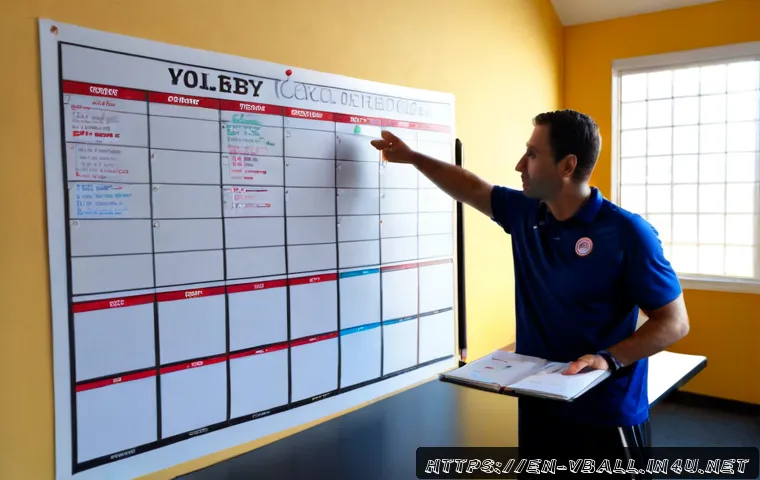
Recreational teams often gain the most from consistency. Use dependable serves, assign basic defensive zones, and clarify who takes short balls and free balls. A clipboard, rotation sheet, or simple shared notes can be enough for pre-match preparation.
School and club teams: scouting reports, rotation planning, and targeted drills
School and club teams may benefit from a basic scouting report that tracks serving patterns, common attacking preferences, and rotation tendencies. Training equipment such as target zones, floor markers, or tools that support repetition can help make tactical instructions easier to practice. The equipment should support a specific need, not replace communication and ball control.
Competitive teams: opponent video, setter tendencies, and data-supported adjustments
Competitive teams with access to opponent footage can use video review to identify recurring tendencies in rotations, serving patterns, and attacking preferences. Video analysis tools and coaching software are most useful when someone has time to turn footage into a short, usable plan. Focus on a few repeatable observations rather than collecting more information than players can use.
When private coaching, video analysis, or upgraded training equipment may be worth the cost
Private coaching may be worth considering when a team needs help teaching a specific skill or organizing a system. Video-analysis subscriptions may fit teams that regularly play opponents with available footage and have a clear review process. Training equipment may make sense when it will be used repeatedly for a known practice goal, such as serving targets or defensive movement.
Free scouting notes and phone video can be a sensible starting point. Compare features, coaching approach, local availability, and your actual practice schedule before paying for a service or tool.
Selection Criteria and Tactical Comparison Summary
Choose the tactic that your players can execute consistently, not the tactic that sounds most advanced. Before making a decision, check serve reliability, serve-receive quality, blocker communication, defensive coverage clarity, and the quality of your opponent information. Use free observation and basic video first when they answer the question you have. Consider coaching, analysis platforms, or volleyball training equipment when they solve a specific gap in teaching, scouting, or practice organization.
Compare coaching and analysis options based on your team’s needs, available practice time, and the details provided on the relevant service or product page.
Final Thoughts
Effective volleyball tactics are usually simple enough to explain quickly and specific enough to guide the next rally. Build the plan around serving, connected blocking and defense, and a controlled transition ball. Review each rotation before the match, then make small adjustments when the evidence on court calls for one. A team that communicates one shared plan can often perform more steadily than a team carrying too many untested ideas.
Useful Information to Keep in Mind
1. Serve-receive quality affects whether quick and multi-option attacks are available.
2. A block touch does not count as one of the three contacts under standard indoor volleyball rules.
3. Video review is most helpful when it identifies recurring patterns rather than isolated rallies.
4. Rotation sheets can reduce avoidable communication errors before the first serve.
Important Notes
Rules for substitutions, timeouts, liberos, and challenges can vary by competition and governing body. Player health, skill level, available practice time, and opponent scouting information also differ from team to team. Confirm local rules and build the tactical plan around what your roster can safely and reliably execute.
Frequently Asked Questions
Q1. What is the most effective volleyball tactic for a team with inconsistent passing?
A1. Start with a simple plan: prioritize controlled serve-receive, give the setter a dependable high-ball option, and use clear coverage calls. Complex quick attacks are harder to run when the first pass is inconsistent.
Q2. Is video analysis worth paying for a recreational or school volleyball team?
A2. It can be useful if the team will review footage consistently and turn it into a short action plan. For many teams, free notes or basic video may be enough at first. Paid video analysis is more relevant when it solves a clear scouting or teaching need.
Q3. Should a volleyball team serve aggressively or focus on getting every serve in?
A3. Use the level of risk your servers can manage. An aggressive serve is valuable when it disrupts passing or setter movement. If it mainly produces errors, use a more reliable target and maintain pressure through placement.
Q4. How can a coach choose between read blocking and commit blocking?
A4. Choose read blocking when your team needs to react to multiple options and can communicate the setter’s choice. Consider commit blocking when reliable scouting shows a predictable attacker or set pattern. The backcourt defense must understand the choice either way.
Q5. What should a team discuss during a volleyball timeout?
A5. Keep it focused: one correction, one priority for the next rally, and one confidence cue. For example, adjust the serve target, clarify the block-defense connection, and remind players of the next simple task.