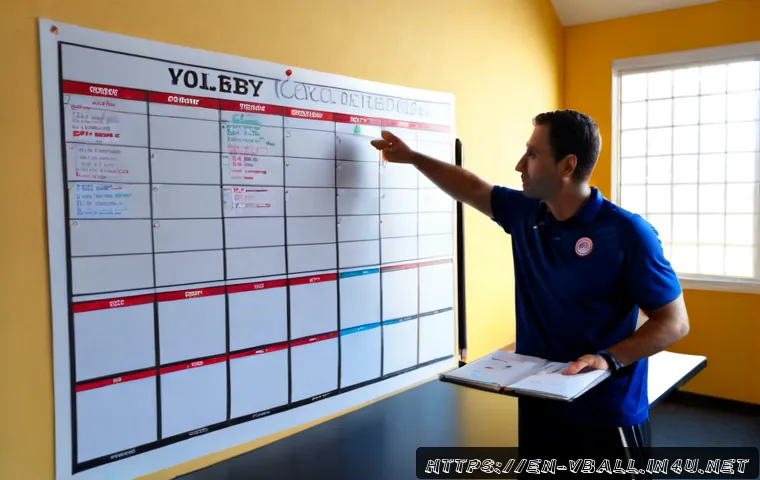
Build a volleyball training schedule by setting match goals, balancing skill work with game-like drills, protecting recovery, and adapting sessions to court access.
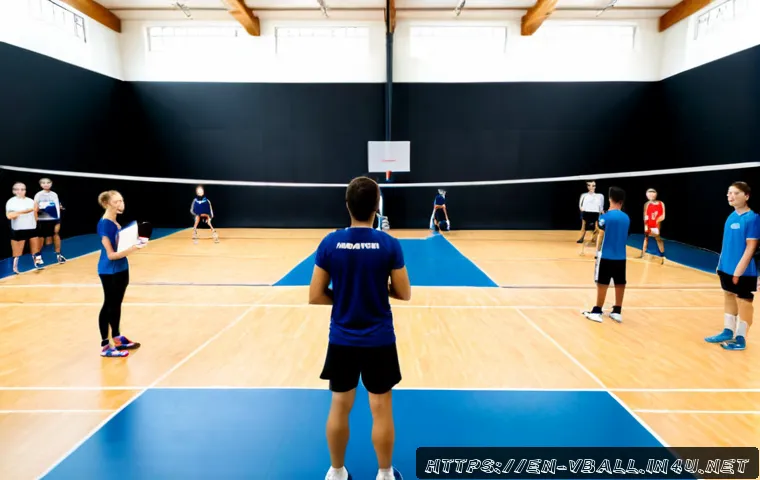
Includes planning criteria, common mistakes, and when paid coaching or tools add value.
A useful volleyball practice plan starts with one match priority, then assigns court time to the skills and decisions behind that priority. Keep the session realistic for your player count, court access, and recovery needs rather than adding every drill you know.
A written plan is especially helpful when gym rental time is limited or several coaches share responsibilities. It also makes it easier to decide whether a simple spreadsheet, team scheduling software, video analysis, or paid coaching support is worth the cost.
The best setup is the one your team can repeat, review, and adjust.
At a Glance
- Set one clear match priority for each practice before choosing drills.
- Allocate court time for movement preparation, focused skill work, game-like play, and a short review.
- Review fatigue, attendance, and movement quality before adding more jumping, hitting, or conditioning work.
| Planning Setup | Cost Consideration | Time Saved | Feedback Quality | Best Fit |
|---|---|---|---|---|
| Coach-created spreadsheet | Usually the simplest option | Requires manual updates | Depends on coach observation and notes | Recreational teams or stable school groups |
| Shared scheduling tool | Compare plans and team features | Can simplify attendance and calendar updates | Organizes information but does not coach players | Teams with changing availability or shared facilities |
| Paid coaching or video support | Fees vary by provider and location | May reduce planning time for staff | Can add targeted external feedback | Teams needing help with a specific technical or tactical issue |
Start With One Clear Outcome for Each Practice
Begin with the question: What should look better in the next match? A recent match may show that serve receive broke down, transition coverage was late, or players struggled to serve under pressure. Choose one or two priorities that can actually be trained in the available session, rather than trying to repair every weakness at once.
Turn Match Problems Into Trainable Priorities
Make the priority observable. “Improve passing” is broad; “create a playable first contact after serve receive” gives the group a clearer target. For a school or club team, the target may involve a technical detail and a decision. For a recreational group, it may simply be getting more controlled contacts before sending the ball over.
Put Four Details at the Top of the Plan
Write down the goal, time limit, player count, and success measure. This prevents a coach from running a favorite drill just because it is familiar. A success measure does not need to be complicated; it can be whether the team completes the intended sequence, makes the right choice in a constrained game, or maintains quality movement while practicing a skill.
Separate Technique From Decisions
Technical goals include serving mechanics, passing posture, setting location, approach timing, blocking movement, and landing control. Tactical goals include reading a serve, selecting an attack option, covering a hitter, or transitioning after defense. Players often need both, but a practice should make it clear which one is being emphasized.
Build the Session Around Time, Court Space, and Player Numbers
A strong practice structure protects the parts that are easy to skip: preparation, serving, serve receive, transition play, and review. Your exact schedule depends on court availability and team size, but the order should support the goal rather than fill time.
Use a Simple Practice Structure
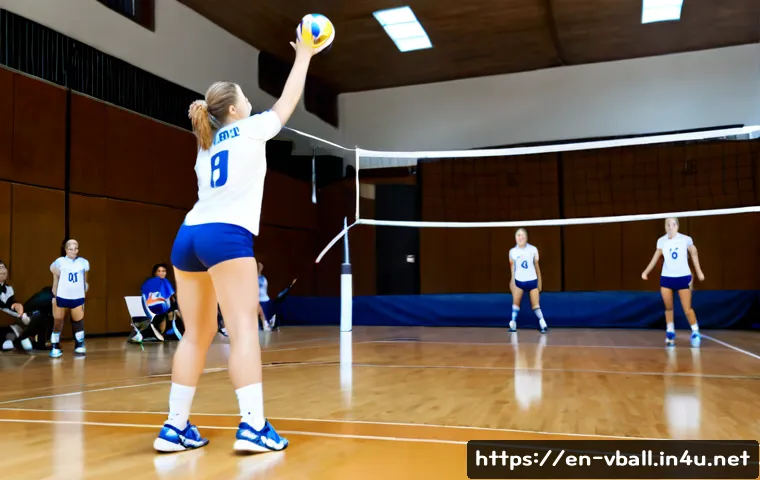
Start with a warm-up that prepares athletes for the movements ahead: jumping, landing, changing direction, serving, and hitting. Move into focused skill work, then use game-like play to test that skill under decisions and pressure. Finish with a brief review: what improved, what needs adjusting, and what should carry into the next practice.
Reduce Lines and Increase Contacts
Long drill lines can leave players standing while only one athlete touches the ball. Use partner work, stations, or small-sided games when court space and player numbers allow. Constrained formats can give more players active contacts while still keeping the drill connected to a match situation.
Match the Plan to the Available Session
A shorter session usually calls for fewer priorities and quicker transitions. A medium session may allow focused work plus a game-like phase. An extended session can include more layers, but it should not automatically mean more high-impact jumping or extra drills. More time is useful only when the quality of movement and attention can remain productive.
Choose Drills by Value, Not by Variety
The best drill is not necessarily the newest one. Choose activities that directly support the day’s outcome and give players a reason to make a volleyball decision.
Connect Every Drill to a Volleyball Need
Serving work should include a target, a tactical purpose, or pressure that resembles a point. Passing drills should connect to the next action. Setting and attacking drills should account for location and timing. Blocking, defense, and transition drills should ask players to move, read, and respond rather than repeat a pattern with no decision.
Use Constraints to Create Better Decisions
A constraint can be a target area, a required transition, a limited number of contacts, or a scoring rule that rewards the desired behavior. These rules make a drill more game-like without requiring a complicated setup. Keep the explanation short, watch the first repetitions, and simplify the rule if players are confused or movement quality declines.
When Paid Tools or Support May Add Value
A training aid may be worth considering when it helps players practice the exact movement or contact your plan requires. A basic video setup can help a team review serve receive positioning, transition timing, or repeated movement patterns. A specialist volleyball coach may be useful when the staff needs targeted feedback beyond what it can provide internally. Compare the service scope, coach qualifications, facility requirements, and whether the feedback fits your team’s actual goal.
Plan a Weekly Rhythm Without Ignoring Recovery
Weekly planning should account for the competition calendar, player experience, training history, and recovery needs. Repeated high-impact jumping and long sessions can increase fatigue, so workload should not be treated as a fixed template for every group.
Space Demanding Work Appropriately
High-jump, heavy hitting, and demanding conditioning segments need thoughtful placement across the week. A team preparing for competition may need more game-like decision work, while a group returning after travel or a busy school period may benefit from a simpler session with cleaner movement and fewer high-impact repetitions.

Adjust for Real Life Constraints
Tournament weeks, exams, travel, changing attendance, and limited gym rental windows can all change the plan. Do not force a full-court system drill when only part of a court is available or key positions are absent. Use the constraint to choose partner work, stations, serving tasks, or smaller games that still support the weekly goal.
Watch for Fatigue Signals
Reduced movement quality or persistent soreness are reasons to reassess the workload. Simplify the session, reduce unnecessary jumping, or shift toward lower-impact technical and tactical work when needed. Individual readiness for increased workload or return to play after injury requires appropriate evaluation; a generic practice template cannot determine that.
Avoid Common Practice-Planning Mistakes
The most common planning errors are often organizational, not tactical. A few simple guardrails can make practice more productive without adding complexity.
Trying to Fix Everything
When every skill becomes a priority, none receives enough meaningful repetition. Keep the main objective visible and save secondary issues for later sessions.
Overexplaining and Underplaying
Explanations should be brief enough that players can move, touch the ball, and learn from the next repetition. If lines grow or players lose focus, change the format before adding another speech.
Separating Conditioning From Volleyball Movement
Conditioning should not ignore the movements volleyball players need to perform. Warm-ups and practice activities should prepare athletes to land, change direction, serve, hit, and transition safely within the session’s demands.
Skipping Notes After Practice
Track attendance, the main workload demands, what was completed, and what should change next time. A shared calendar or team scheduling software can make this easier, but the notes still need coach judgment and player feedback.
Selection Criteria and Comparison Summary
Before paying for additional support, check these practical points:
- Budget: Compare gym rental, coaching service, equipment, and software costs against the problem being solved.
- Facility access: Confirm court availability, space, and scheduling flexibility before building a detailed plan.
- Player needs: Consider experience, attendance patterns, recovery needs, and the team’s current priorities.
- Staff capacity: A spreadsheet may be enough when a coach can consistently plan and review sessions.
- Feedback gap: Consider video analysis or private coaching when targeted outside feedback would genuinely improve decisions.
Compare coaching options, check gym availability, and evaluate video-analysis features on the provider’s official page before committing.
In Closing
A volleyball training schedule works best when it is built around a clear outcome instead of a long list of drills. Protect time for movement preparation, active contacts, game-like decisions, and a short review. Keep the weekly rhythm flexible enough to respond to fatigue, calendar pressure, and facility limits. Consistent planning and honest notes usually matter more than a complicated template.
Useful Things to Know
Written plans help preserve time for serving, serve receive, transition play, and review. Small-sided games can reduce waiting and increase active contacts. Video, attendance tracking, and shared calendars can support organization, but they do not replace qualified coaching or athlete feedback.
Important Notes
There is no universal ideal for weekly practice frequency, session length, or jump volume. These choices vary by age, training history, injury status, competition level, local rules, and access to facilities. Costs for gym rental, coaching, equipment, and scheduling tools also vary by provider and location.
Frequently Asked Questions
Q1. How many volleyball practices should a team schedule each week?
A1. The right frequency depends on the players’ age, experience, recovery needs, competition level, schedule, and local requirements. Start with what the team can attend and recover from consistently, then adjust based on movement quality, soreness, match demands, and coaching feedback.
Q2. Is it worth paying for a private volleyball coach or video-analysis service?
A2. It can be useful when the team has a specific need that current staff cannot address easily, such as technical feedback or a tactical review. Compare the coach’s qualifications, service scope, scheduling fit, cost, and whether the feedback will be applied in future practices.
Q3. How long should a volleyball practice last for a recreational or school team?
A3. Practice length should fit court access, player experience, recovery needs, and the day’s goal. A shorter practice can still be productive when it includes a relevant warm-up, focused work, game-like play, and a quick review. Longer sessions should not automatically add more high-impact work or unnecessary drills.