For most volleyball matches, take small, regular sips of fluid and use easy-to-digest carbohydrates only when the match is long, the gym is hot, or you have multiple matches in a day.
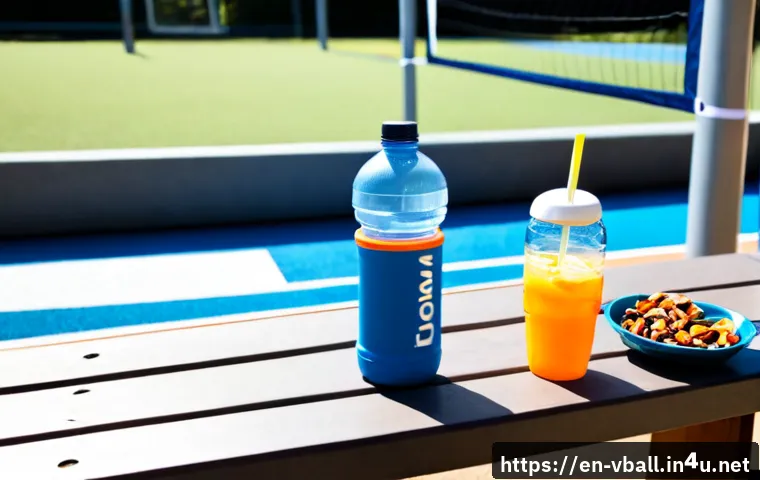
Water can be enough for shorter, lower-sweat sessions, while carbohydrate-electrolyte drinks and portable snacks become more useful as sweat loss and playing time rise.
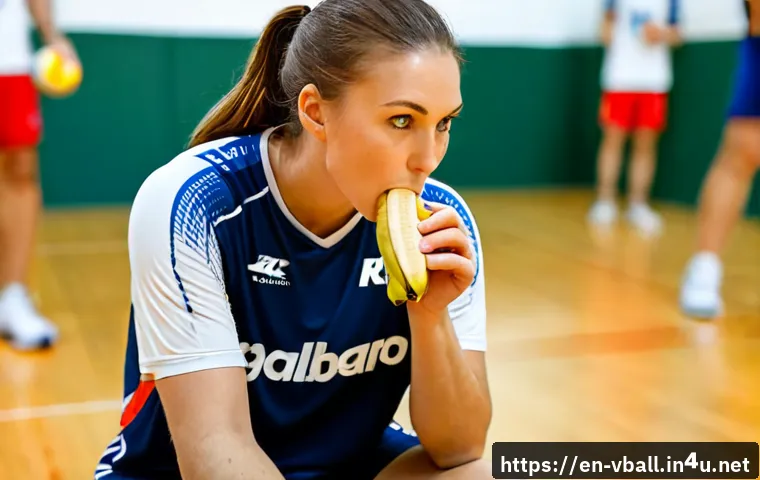
The best option is the one you have tested during practice and can tolerate without feeling heavy. Sports drinks, electrolyte mixes, gels, and snack pouches can be convenient, but a banana, pretzels, or applesauce may cover the same practical need for many players.
Avoid high-fat, high-fiber, and unfamiliar foods during competition. Your own sweat rate, prior meal, match schedule, and venue conditions should guide the final choice.
At a Glance
- Choose water for shorter matches or lower-sweat sessions when you feel well fueled from earlier meals.
- Choose an electrolyte or carbohydrate drink when play is extended, the venue is warm, or you sweat heavily.
- Choose a small carb snack when you need quick energy between matches, but avoid large or unfamiliar portions.
| Option | Best Fit | Carbohydrates | Electrolytes | Portability | Likely Cost per Serving |
|---|---|---|---|---|---|
| Water | Shorter or lower-sweat sessions | None | None | Excellent in a reusable bottle | Usually lowest |
| Electrolyte drink or mix | Heavy sweating, warm gyms, extended activity | Depends on the product | Usually included | Good | Varies by format |
| Carbohydrate-electrolyte drink | Long matches or tournament days | Included | Usually included | Good | Varies by brand and bottle size |
| Banana or applesauce pouch | Simple food-based energy between matches | Present | Generally limited | Good, especially pouches | Often budget-friendly |
| Pretzels, chews, or gels | Fast, portable carbohydrate support | Present | Varies | Excellent | Varies; specialty products may cost more |
| Sports bar | Longer breaks between matches | Varies | Varies | Good | Varies |
The Quick Answer: Fuel Small, Hydrate Steadily, and Avoid New Foods
The simplest mid-match volleyball fueling plan is to sip fluids regularly and use a small carbohydrate source only when the situation calls for it. Volleyball includes repeated high-intensity efforts, and needs may rise when matches run long or the venue feels warm and humid. The goal is not to eat a full meal between sets. It is to stay comfortable, hydrated, and ready to move.
A Simple Between-Set Routine for Most Players
Keep a drink bottle within reach, take a few comfortable sips during available breaks, and assess how you feel rather than waiting until you are very thirsty. If you need energy, choose a small, familiar item that is easy to eat quickly. A few bites of banana, an applesauce pouch, a small handful of pretzels, or a tested sports chew may be easier to manage than a large snack.
When Water Alone May Be Enough
Water may be sufficient for a shorter match or a session with lower sweat loss, particularly when the player ate normally before arriving. A reusable water bottle is simple, low-cost, and easy to use. This approach can also work well for players who find sweet drinks unpleasant during activity.
When Carbohydrates and Electrolytes Become More Useful
Carbohydrate-containing drinks or easy-to-digest snacks can be useful during longer matches and tournament schedules. Sodium in a sports drink may also be helpful for athletes who sweat heavily, especially during extended activity. A carbohydrate-electrolyte drink can combine fluid, carbohydrate, and electrolytes in one portable option, but it should be tested in practice before it becomes part of a game-day routine.
Compare Mid-Match Drink and Snack Options Before You Pack
Good volleyball nutrition products should fit the player’s schedule, stomach comfort, and access to breaks. The most expensive option is not automatically the best choice. A practical product is one you can carry, open quickly, tolerate, and use consistently when needed.
Water, Electrolyte Drinks, and Carbohydrate-Electrolyte Drinks
Water is the basic choice when the session is shorter or sweat demands are limited. An electrolyte drink may be more relevant when heat, humidity, or heavy sweating increases fluid needs. A carbohydrate-electrolyte drink can be useful when the player needs both fluid and a source of energy across a longer event.
Before buying a sports drink or electrolyte mix, check whether it contains carbohydrates, sodium, or both. Also consider the container format. Ready-to-drink bottles are convenient, while powders and tablets can be easier to pack and mix when you have access to water. Tolerance still matters more than marketing claims.
Bananas, Applesauce Pouches, Pretzels, Chews, Gels, and Sports Bars
Bananas and applesauce pouches are simple carbohydrate options that many players recognize and can pack easily. Pretzels may be appealing when a player prefers a less-sweet option. Sports chews and gels are compact and quick to carry, which can help when breaks are short. However, these specialty products can feel unfamiliar or overly sweet for some athletes.
Sports bars may be more suitable when there is a longer gap between matches. During a short break, a bar may feel too filling depending on its ingredients and the player’s stomach. Be cautious with items that are high in fat or fiber, because they may increase the chance of gastrointestinal discomfort during play.
Convenience, Cost per Serving, and Ingredient-Label Checks
Pantry foods can be enough when you need a basic, familiar carbohydrate source. Sports nutrition products may be worth considering when portability, fast access, and fluid-electrolyte convenience matter more. Compare products by serving size, carbohydrate source, sodium, sweetness, and package design rather than choosing by label claims alone.
If you are comparing electrolyte powders, sports drinks, gels, or chews, look for clear ingredient information and instructions. Check for allergens and consider whether the product fits your personal needs. A product that is hard to open, difficult to drink, or unpleasant to tolerate is not a good mid-match option.
How to Fuel Between Sets Without Feeling Heavy
The key is to avoid turning a short break into a large feeding session. Small portions and steady sipping are generally easier to tolerate than consuming a large volume all at once. Start with what you already know works in training.
Timing Food and Fluids Around Warm-Up, Sets, and Breaks
Arrive with your bottle and snack already prepared. During warm-up and between sets, use available time for small sips rather than trying to catch up all at once. If the day includes multiple matches, use longer breaks for a more substantial but familiar food choice, then return to smaller portions as the next match approaches.
Choosing Small Portions That Are Easy to Digest
A practical portion should feel manageable, not filling. Think in terms of a few bites or a small amount at a time. Carbohydrate drinks, applesauce pouches, a portion of banana, pretzels, chews, and gels can all fit this approach if they have been tolerated before. Avoid assuming that a larger portion will create better performance; feeling overly full can make movement and comfort harder.
Common Mistakes: Overeating, Underdrinking, and Trying Products for the First Time
One common mistake is packing only food and forgetting regular fluid intake. Another is drinking a large amount quickly after ignoring hydration for too long. Both can be uncomfortable. A third mistake is trying a new gel, electrolyte powder, or sports drink during an important match. New products may not suit your taste preferences or stomach, so test them in practice first.
Adjust Your Plan for Tournaments, Heat, and Sensitive Stomachs

A single match and an all-day tournament do not create the same fueling situation. Adjusting your plan does not have to be complicated: consider match length, the number of matches, venue conditions, and how your body responds to food and fluids.
One-Match Days Versus All-Day Tournament Schedules
For one shorter match, water and a familiar backup snack may be all you need. Tournament days can make carbohydrate drinks, portable snacks, and electrolyte options more useful because the athlete may have repeated activity with limited recovery time. Pack more than one option so you are not forced to rely on a food that suddenly sounds unappealing.
Hot Gyms, Heavy Sweaters, and Long Travel Days
Fluid needs can rise in warm or humid venues. Players who sweat heavily may find that a sports drink containing sodium fits better than water alone during extended activity. Long travel can also make planning important, since access to familiar food and water may be less convenient. Bring your own bottle, familiar snack choices, and any permitted electrolyte mix rather than depending on whatever is available at the venue.
Options for Players Who Struggle With Sweetness or Stomach Upset
If sweet drinks are difficult to tolerate, water plus a simple, less-sweet snack may feel more comfortable. Pretzels can be one practical example. Some players may prefer a diluted or differently flavored sports drink, but this should be tested outside competition. Avoid high-fat, high-fiber, and unfamiliar foods when playing, especially if stomach discomfort has been an issue before.
Selection Criteria and Comparison Summary
Before buying sports drinks, electrolyte mixes, gels, chews, or portable snacks, compare serving size, carbohydrate source, sodium, sweetness, container format, and ingredient list. Choose water when simplicity fits the session. Choose an electrolyte or carbohydrate drink when match duration, heat, and sweat demands rise. Choose portable snacks when you need energy but have limited break time. Check the official product page or package label for ingredient details, allergen information, and serving guidance before selecting a product.
Choose Water When Simplicity Fits the Session
Water is a practical default for shorter, lower-sweat situations. It is easy to carry, familiar, and does not add sweetness or additional ingredients.
Choose Electrolyte or Carbohydrate Drinks When Duration and Sweat Demands Rise
For extended activity, warm gyms, or heavy sweating, an electrolyte drink or carbohydrate-electrolyte drink may be more useful. Select a format you can prepare and drink comfortably during breaks.
Choose Portable Snacks When You Need Energy but Have Limited Break Time
Bananas, applesauce pouches, pretzels, chews, and gels can all be portable options. The best choice is familiar, easy to open, and unlikely to leave you feeling heavy.
In Closing
Mid-match volleyball fueling works best when it stays simple. Sip fluids regularly, add carbohydrates when the day is long or demanding, and avoid foods that have not been tested in practice. Water, pantry snacks, and sports nutrition products can all have a place depending on the match schedule and the athlete’s comfort. Build a routine around what is practical, permitted, and easy to tolerate.
Useful Things to Know
1. Check whether your school, club, or competition allows food and drinks at the bench.
2. Pack backup options for tournament days in case the schedule changes.
3. Keep snacks easy to open with clean hands and limited break time.
4. Test every new sports nutrition product during practice before using it in competition.
Important Considerations
Individual fluid, sodium, and carbohydrate needs can vary based on age, body size, medical conditions, allergies, medications, sweat rate, match length, weather, and prior meals. This guide does not determine exact personal requirements. Players with medical concerns, dietary restrictions, or recurring stomach symptoms should seek individualized guidance from an appropriate qualified professional.
Frequently Asked Questions
Q1. What should I eat between volleyball sets for quick energy?
A1. Choose a small, familiar carbohydrate option that is easy to digest, such as a few bites of banana, an applesauce pouch, pretzels, chews, or a tested gel. Avoid a large, high-fat, high-fiber, or unfamiliar snack during play.
Q2. Is an electrolyte drink better than water during a volleyball match?
A2. Not always. Water may be enough for shorter or lower-sweat sessions. An electrolyte drink may be more useful when activity is extended, the venue is warm, or the athlete sweats heavily. Personal tolerance and the full match schedule matter.
Q3. Are sports gels and chews worth buying for volleyball tournaments?
A3. They can be useful when you want compact, portable carbohydrate options during a long tournament day. They are not required for every player, though. Familiar foods such as bananas, applesauce pouches, or pretzels may be enough if they are convenient and well tolerated.