Build a practical volleyball training supply list with guidance on essential consumables, replacement timing, safety checks, and how to compare individual versus bulk purchases for your team.
A practical volleyball supply plan starts with items that wear out, get lost, or need replenishing: training balls, pump needles, floor tape, resistance bands, and cleaning supplies.
Buy durable core equipment first, then use multi-packs or team bundles only when your practice volume, storage space, and replacement rate justify them.
For coaches and program managers, the best purchase is rarely the cheapest item on the shelf. It is the option that stays safe, works consistently, and avoids stopping practice because a small item is missing.
Schools, clubs, and home trainers should separate true consumables from long-lasting equipment before building a seasonal equipment budget. Check product compatibility, storage needs, and retailer terms before placing a bulk order.
At a Glance
- Replace and inspect regularly: volleyballs, pump needles, floor tape, resistance bands, and cleaning supplies can wear out or run low during a season.
- Buy in bulk with a reason: multi-packs can simplify restocking, but only if your usage rate, storage, and product durability support the purchase.
- Protect practice time: keep small backup supplies on hand, especially needles, tape, cleaning materials, and drill markers.
| Supply Category | What to Check | Best Buying Approach |
|---|---|---|
| Training volleyballs | Cover wear, seam condition, bladder performance, consistent feel | Compare durable training balls by expected use and storage conditions |
| Pumps and needles | Needle condition, availability of backups, proper use | Buy a reliable pump; keep replacement needles in a small multi-pack |
| Cones, markers, and floor tape | Visibility, gym-floor compatibility, cleanup and residue removal | Choose based on drill frequency and facility rules before ordering in bulk |
| Resistance bands | Visible cracks, cuts, stretching damage, heat exposure | Use individual sets for small programs; consider multi-packs for frequent shared use |
| Cleaning supplies | Facility policy, playing-surface suitability, shared-equipment hygiene | Restock steadily rather than waiting until supplies run out |
The Short Answer: Which Practice Supplies Need Regular Replacing?
The supplies most likely to need attention are the ones used by every player, every session. Training balls, pump needles, floor tape, resistance bands, and cleaning supplies should be part of a regular inventory routine. Ball carts and pumps are usually more durable equipment, but they still need inspection for damage and safe operation.
Essential Items for Most Team Sessions
Most volleyball practices depend on usable balls, a pump, needles, drill markers, and a clean, safe training area. A training ball with a worn cover, damaged seams, or declining internal performance can make passing, serving, and setting drills feel inconsistent. Keep a pump accessible, but treat needles as a small consumable: they are easy to misplace and may bend or break when used incorrectly.
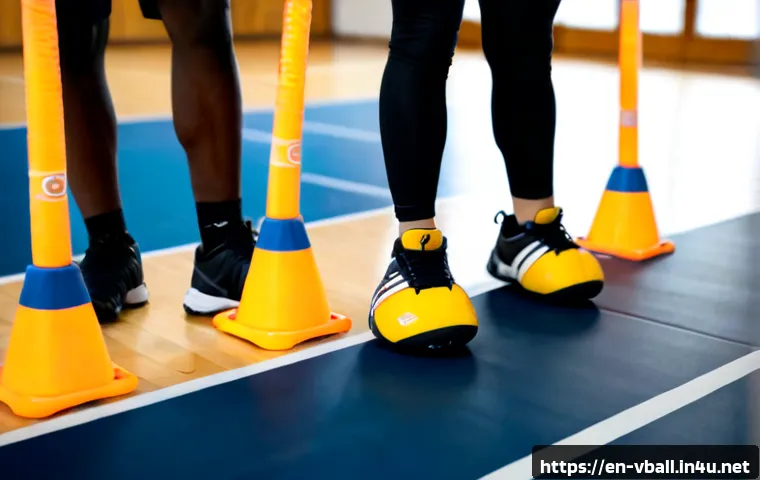
Cones and markers help organize serve-receive lanes, footwork patterns, target zones, and warm-up stations. Floor tape can also be useful, especially for temporary boundaries or positional references. However, tape should be selected with the playing surface and residue-removal requirements in mind.
Supplies That Are Optional Until Training Volume Increases
Resistance bands, extra agility tools, and recovery-focused accessories can add variety to a program, but they are not always first-priority purchases. A new coach may get more value by securing safe training balls and basic drill-layout tools before expanding into a larger training equipment bundle.
As session volume rises, optional items may become more practical. For example, a club with frequent practices may need multiple stations running at once, while a small-group coach may only need a compact set of bands and markers.
A Quick Pre-Practice Inventory Check
Before practice, check that balls are usable, the pump is available, and at least one working needle is on hand. Look over bands for cuts, cracking, or visible wear. Confirm that cones, tape, and cleaning materials are ready for the planned drills. This simple check prevents a missing low-cost item from interrupting a full team session.
Compare Supplies by Use, Wear Rate, and Budget Impact
A useful volleyball equipment budget looks beyond the initial price. Compare each item by how often it is used, how likely it is to be lost or damaged, and whether one failed item can stop a drill. Cost per use is often a better buying guide than the sticker price alone.
Balls, Pumps, Needles, and Pressure-Management Essentials
Volleyballs are central to every practice, so durability and consistent performance matter. Training balls can gradually lose a consistent feel as covers, seams, or internal bladders wear. Inspect them instead of assuming that every ball in storage is ready for competitive drills.
A pump is a small but important piece of coaching equipment. The needles deserve equal attention because they are fragile and easy to lose. Use needles properly to reduce bending or breakage, and keep backups where the team can find them quickly.
Buy individually or in bulk? A durable pump can make sense as an individual purchase. Replacement needles are often more practical in a multi-pack because they are small, easily misplaced, and essential when a ball needs attention.
Cones, Markers, Floor Tape, and Drill-Layout Tools
Cones and markers are useful across serving, defense, transition, and agility drills. Their value comes from repeat use and quick setup, not from complexity. Consider visibility, ease of storage, and whether players will use them in shared gym space.
Floor tape requires more careful comparison. The right choice depends on the surface, facility policy, and how easily residue can be removed after practice. A tape that works well in one gym may not be suitable in another. Test compatibility or review the product details before purchasing a large quantity.
Buy individually or in bulk? A small program can start with a basic marker set and limited tape supply. Schools and clubs that repeatedly set up the same drill areas may benefit from bulk restocking, provided there is dry, organized storage and the facility approves the tape.
Resistance Bands, Agility Tools, and Recovery-Focused Accessories
Resistance bands can support warm-ups, movement preparation, and controlled strength work. They should not be treated as permanent equipment. Repeated stretching, heat exposure, cuts, and visible cracking can reduce safe usability. Shared bands need regular inspection, especially when several athletes use the same kit.
Agility tools can be useful when they match the session plan, but avoid purchasing a large collection simply because it appears in a coaching equipment bundle. Choose accessories that your coaches will use consistently and can store safely.
Buy individually or in bulk? Individual band sets may be enough for home training or small groups. A club or school with several groups may find multi-packs easier to manage, but only after establishing an inspection and replacement routine.
Individual Packs Versus Bulk Orders: When Each Makes Sense
Bulk sports supplies can simplify ordering and reduce the chance of running out during the season. Still, a large order is not automatically the best value. Consider storage capacity, expected usage, product durability, and the risk of unused inventory.
- Single-item purchases: useful for testing a new product, replacing one durable item, or fitting a compact home setup.
- Multi-packs: practical for needles, bands, markers, and cleaning supplies that are regularly lost, shared, or replenished.
- Team bundles: worth comparing when a program needs several related items at once and has space to organize them.
How to Build a Practical Season Supply Plan
A season plan reduces rushed buying decisions. Instead of reacting when a needle disappears or tape runs out, identify what your team uses repeatedly and set aside a replacement budget for those categories.
Estimate Usage by Roster Size and Weekly Practice Schedule
Start with your roster size, number of weekly practices, and whether equipment is shared among teams. A school team practicing in a shared gym has different needs from a club program with several training groups or a player training at home.
List each item as either core equipment, replenishable supply, or optional training accessory. This prevents a budget from being consumed by add-ons while essential supplies are overlooked.
Set a Replacement Budget Instead of Reacting to Shortages
Plan for small replacements before the season begins. Needles, tape, cleaning supplies, and damaged bands can be inexpensive compared with major equipment, yet their absence can disrupt a session immediately. A separate restock category makes it easier to compare individual packs, multi-packs, and team supply bundles without overspending.
Store Equipment to Reduce Avoidable Wear and Loss
Storage affects value. Keep balls, bands, tape, and cleaning supplies in an organized area where coaches can see what is running low. Avoid exposing bands to unnecessary heat, and keep needles in a labeled case or pouch rather than loose in a cart. Clear storage also makes pre-practice inspection faster.

Common Equipment Mistakes That Disrupt Training
Many practice problems come from minor supply decisions rather than major coaching errors. A thoughtful purchasing routine helps avoid interruptions and protects shared equipment.
Buying Low-Cost Items Without Checking Durability or Compatibility
Low upfront cost can be appealing, but it does not always mean lower cost per season. Before choosing a volleyball training supply, consider material quality, intended use, storage demands, and whether the item will hold up to your program’s training volume.
Using the Wrong Tape or Cleaner on a Gym Floor
Do not assume all tape or cleaning products are appropriate for every facility. Gym surfaces and facility rules vary. Review product guidance and confirm what the venue permits, particularly when residue removal or shared-space cleanup is a concern.
Ignoring Damaged Bands, Bent Needles, and Worn Volleyball Covers
Visible damage is a reason to pause and inspect. Bands with cuts or cracking, bent needles, and balls with worn covers or seam problems should not be ignored. Regular checks support safer use and more consistent practice quality.
Forgetting Small Backup Items That Stop a Drill From Running
A missing needle, empty tape roll, or unavailable cleaner can become a bigger problem than expected. Keep a compact backup kit with commonly used consumables. This is especially useful for tournament travel, shared gym schedules, and coaches moving between practice locations.
Supply Priorities for Schools, Clubs, and Home Training
The best supply list depends on where training happens and how often equipment is shared. Prioritize the items that protect safety, consistency, and setup time in your own environment.
School Programs With Shared Gym Space
Schools should focus on clear storage, floor compatibility, and equipment that can be inspected quickly. Basic balls, pumps, needles, markers, approved floor tape, and cleaning supplies are practical priorities. Confirm gym policies before adding tape or cleaners to a bulk order.
Club Teams With Frequent Practices and Tournament Travel
Clubs may benefit from a more formal replacement-cycle plan because balls, bands, and small accessories are used often and transported frequently. Travel kits should include backups for items that are easy to lose or difficult to replace at short notice.
Coaches Running Small-Group Skill Sessions
Small-group coaches can keep costs controlled by purchasing a focused set of balls, markers, a pump, spare needles, and only the training accessories used in their regular session plans. Expand the kit when practice structure, athlete count, or drill variety clearly requires it.
Players Building a Compact Home Practice Kit
For home practice, start small: a usable ball, a pump with spare needles, a few markers, and carefully inspected resistance bands if they fit the workout. Choose items that are easy to store and appropriate for the available training space.
Selection Criteria and Comparison Summary
Before placing an order, use these decision checks:
- Will this item be used frequently enough to justify a bulk purchase?
- Is it a safety-sensitive item that needs regular inspection?
- Does the product fit your storage space and facility requirements?
- Will durability improve the likely cost per season compared with a lower-priced alternative?
- Do you have backups for small items that can stop practice?
- Are shipping, warranty coverage, bulk discounts, and product suitability confirmed for your location?
Durable equipment can be worth a higher upfront cost when it is used often, stored properly, and supports consistent training. For product specifications, bundle contents, compatibility notes, and current purchase terms, check the relevant product page before ordering.
Final Thoughts
A well-run volleyball practice does not require every possible training accessory. It requires dependable essentials, a clear replacement plan, and regular safety checks. Start with the supplies that directly affect ball work, drill setup, and shared-equipment hygiene. Then add bulk purchases and specialty tools when your training volume makes them a sensible fit.
Useful Things to Know
1. Store pump needles in a dedicated case or pouch to reduce loss and damage.
2. Inspect resistance bands before use, especially after storage in warm conditions or repeated stretching.
3. Keep floor tape and cleaning products aligned with the gym’s surface requirements and facility policy.
4. Compare team bundles by what your program will actually use, not only by the number of items included.
Important Considerations
Product lifespan, pricing, bulk discounts, shipping charges, warranty terms, and suitability vary by brand, retailer, location, storage conditions, and training volume. No single tape, cleaner, training ball, or accessory is appropriate for every gym or facility. Review current product details and local venue requirements before making a large purchase.
Frequently Asked Questions
Q1. What volleyball practice supplies should a new coach buy first?
A1. Begin with usable training balls, a pump, spare needles, basic cones or markers, and cleaning supplies appropriate for the facility. Add floor tape, resistance bands, and specialty training tools after the core practice needs are covered.
Q2. Is it cheaper to buy volleyball training supplies in bulk?
A2. It can be, but only when the team will use the items before they degrade, get misplaced, or become unnecessary. Bulk buying is often most practical for regularly replenished supplies such as needles, bands, markers, tape, and cleaning materials. Compare total terms, storage needs, and durability rather than assuming a larger pack is automatically better value.
Q3. How often should volleyballs, pump needles, and resistance bands be replaced?
A3. There is no universal replacement schedule because lifespan depends on brand, material, use frequency, player level, and storage conditions. Inspect volleyball covers, seams, and performance; replace bent or damaged needles; and remove bands showing cuts, visible cracking, or other signs of wear.