Build a practical post-volleyball recovery routine with hydration, meals, sleep, light movement, and warning signs. Compare at-home recovery options with professional support based on match intensity, budget, and symptoms.
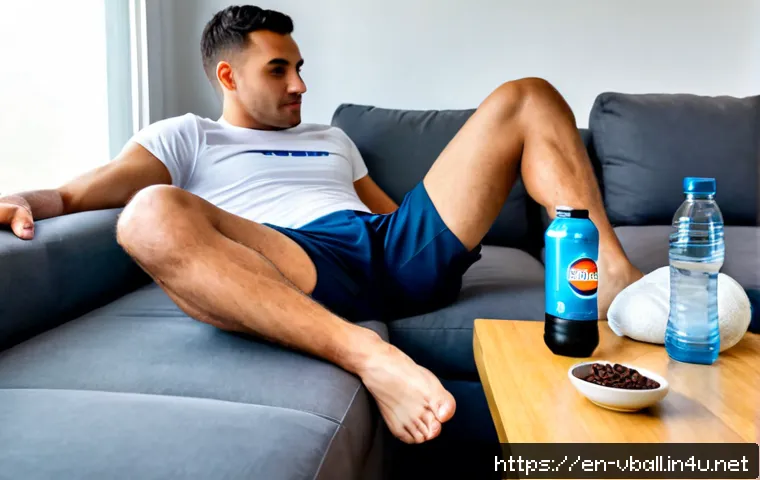
After a volleyball match, start with fluids, a regular meal, a calm transition out of play, and a realistic sleep plan. Light, comfortable movement can suit routine soreness, but severe pain, swelling, instability, numbness, or trouble bearing weight should be assessed promptly by a qualified healthcare professional.
The best recovery plan depends on match length, jump volume, recent training, sleep, hydration, and your own health factors. Basic at-home habits are often the practical first choice, while recovery equipment, sports massage, or physical therapy may make more sense when symptoms persist, your schedule is demanding, or movement does not feel controlled.
There is no single ideal product, meal, or recovery service for every player. Use your symptoms, next-session demands, budget, and convenience to choose the right level of support.
At a Glance
- Tonight: Rehydrate, eat a regular meal, reduce intensity, and prepare for sleep.
- Tomorrow: Use comfortable low-intensity movement if it feels good; do not force painful stretching or massage.
- Get help: Seek timely professional evaluation for severe pain, visible swelling, instability, numbness, or inability to bear weight.
| Recovery Option | Best Fit | What to Consider |
|---|---|---|
| At-home basics | Routine post-match fatigue and manageable soreness | Meals, hydration, sleep, and gentle movement are low-cost foundations. |
| Recovery equipment | Players who want reusable comfort tools | Compare comfort, ease of use, storage, and whether you will use it consistently. |
| Sports massage or team recovery services | Players who value hands-on comfort or have demanding match schedules | Check provider availability, total cost, session approach, and whether symptoms require assessment instead. |
| Physical therapy or qualified clinical assessment | Concerning symptoms, persistent problems, or difficulty returning to controlled movement | Recovery tools do not replace an injury assessment. |
What to Do in the First Hours After the Match
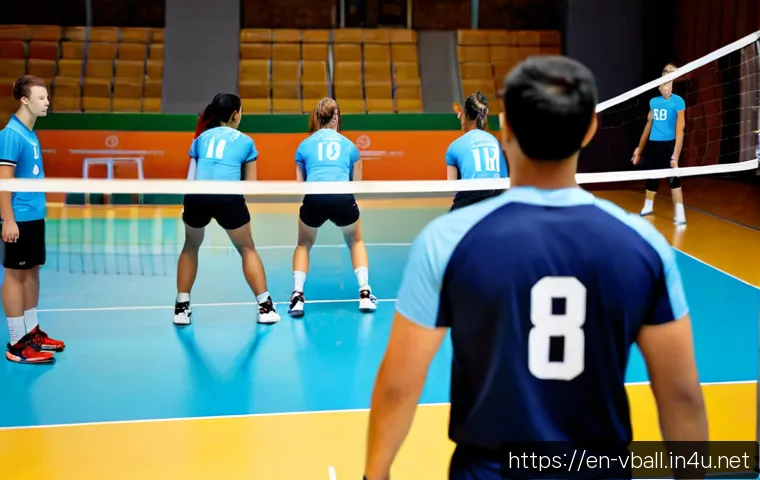
Start simple: replace fluids, eat a regular meal, and give your body time to come down from the match. Volleyball includes repeated jumping, sprinting, quick directional changes, and overhead hitting, so it is common to feel generally tired afterward. The goal is not to “fix” every tight area immediately. It is to support recovery without adding more stress.
A Simple Three-Step Recovery Priority: Fluids, Food, and Downshifting
First, begin rehydrating in a way that is practical for you. Next, have a regular meal rather than skipping food after a late match. Finally, downshift: change out of match gear, avoid turning soreness into another hard workout, and set up a calmer evening routine. Supplements may be part of some players’ routines, but they should not replace food, hydration, and rest.
How to Check Whether Fatigue Feels Routine or Concerning
Routine fatigue may feel like broad muscle heaviness or manageable soreness after a demanding session. Be more cautious when there is severe pain, visible swelling, instability, numbness, or an inability to bear weight. Sharp or highly localized pain also deserves attention rather than being treated as ordinary post-match tiredness. Without an assessment, it is not possible to determine whether pain is normal soreness, overuse, or an acute injury.
The First-Night Recovery Checklist
- Drink fluids and eat a regular meal.
- Use only comfortable, low-intensity movement if you feel stiff.
- Skip aggressive stretching into pain.
- Notice whether walking, stairs, arm movement, or basic balance feels controlled.
- Prioritize a sleep routine that gives you enough time to rest.
Build a Recovery Routine That Fits Match Intensity
Your recovery plan should match the load you actually had, not the plan another player uses. A short recreational game, a tournament day, and a high-volume training week create different demands. Previous workload, hydration, sleep, and individual health factors can change how you feel after the same number of sets.
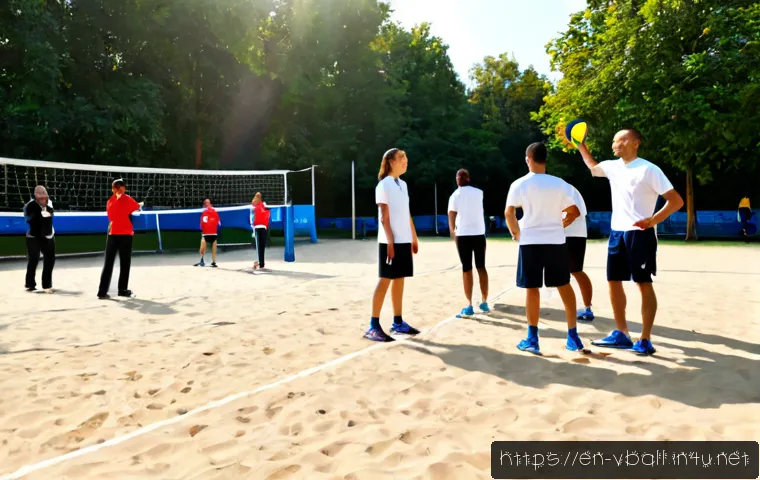
Low-Load Recreational Games: A Simple Same-Day Routine
For a lower-load game followed by manageable soreness, basic recovery is often enough. Rehydrate, eat, sleep, and take an easy walk or do other comfortable movement later or the next day. If a foam roller, massage ball, or compression sleeve feels comfortable, it can be an optional comfort tool—not a requirement and not proof that you are ready for another high-impact session.
Tournament Days and Multiple-Match Weekends
Multiple matches can leave less room for recovery between efforts. Keep the plan uncomplicated: regular food, fluid access, comfortable movement, and a realistic sleep opportunity. Avoid using a short break to attack painful areas with intense massage or deep stretching. If symptoms are changing, increasing, or affecting stable movement, it may be more useful to seek qualified support than to add another recovery product.
High-Volume Training Weeks and Back-to-Back Sessions
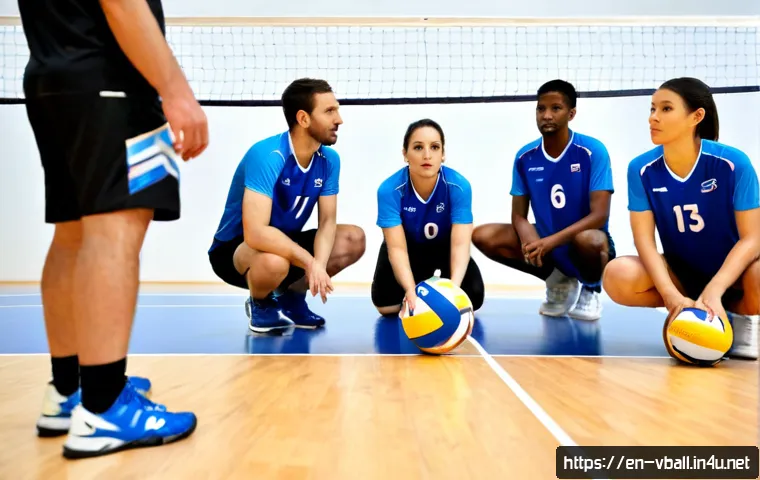
When practice and matches stack up, recovery is partly a scheduling issue. Consider whether the next session needs full jumping, hard landings, sprinting, or overhead volume. If movement is not controlled, reduce the demand rather than assuming soreness will disappear once you warm up. Coaches can help by planning gradual return to activity instead of treating every player’s recovery the same way.
Compare Home Recovery Options, Equipment, and Professional Support
Recovery spending is easiest to manage when the foundation comes first. A high-priced tool cannot replace missed meals, poor sleep opportunities, or ignoring concerning symptoms. Choose support based on need, frequency of use, comfort, convenience, and total cost.
Low-Cost Essentials: Food, Hydration, Sleep, and Gentle Movement
These are the first choices for most routine post-match fatigue. They fit nearly every budget and can be repeated after each match without special equipment. Comfortable low-intensity movement may help some players avoid feeling completely stiff, but complete inactivity is not always necessary after ordinary soreness.
Reusable Options: Foam Rollers, Massage Balls, Compression Gear, and Cold Packs
Reusable recovery equipment can be convenient for players who train regularly. Foam rollers and massage balls may be useful for self-massage comfort. Compression gear and cold packs may also feel helpful to some users. Before buying, consider storage space, how simple the product is to use, whether it feels comfortable, and whether it matches your typical problem area. Do not use any device as a reason to push through severe pain, swelling, or instability.
When a Sports Massage, Athletic Trainer, or Physical Therapist May Offer Better Value
A sports massage or recovery service may appeal when you want hands-on support after a demanding schedule. An athletic trainer or physical therapist may be the more practical choice when there are symptoms that need evaluation, recurring concerns, or uncertainty about returning to jumps and landings. Availability and cost vary by area, so compare the full service details rather than assuming one option is automatically better.
Questions to Ask Before Paying for a Recovery Service
- Is the service focused on comfort, assessment, return-to-play guidance, or a combination?
- What happens if the provider sees swelling, instability, or another concerning symptom?
- Is this a one-off service, or would you realistically use it often enough to justify the cost?
- Can the provider explain what you should avoid before your next volleyball session?
- Does the service fit your match schedule and travel time?
Avoid the Recovery Mistakes That Can Extend Soreness
Post-match recovery should reduce unnecessary stress. The biggest mistakes usually come from confusing discomfort with something that must be forced away immediately.
Stretching Aggressively or Using Intense Massage on Painful Areas
More pressure is not always better. Avoid forcing a stretch or intense self-massage through pain, especially when an area feels sharp, unstable, or unusually sensitive. Choose comfortable movement instead, and seek qualified guidance when symptoms are concerning.
Skipping Meals and Relying Only on Supplements
Recovery supplements and sports nutrition products may be convenient for some athletes, but they do not replace regular meals, hydration, and sleep. If your post-match routine is rushed, plan a simple meal option in advance rather than relying only on products marketed for muscle recovery.
Treating Sharp Pain, Swelling, or Instability Like Ordinary Fatigue
This is where a home recovery routine should stop. Severe pain, visible swelling, instability, numbness, or inability to bear weight may need timely evaluation by a qualified healthcare professional. A compression sleeve, massage gun, or cold pack is not an injury assessment.
Returning to Jumps and Hard Landings Before Movement Feels Controlled
Before returning to high-impact volleyball activity, consider whether basic movements feel controlled. If walking, changing direction, stairs, arm movement, or balance is difficult, do not assume a few more warm-up drills will solve the problem. A gradual return is safer than forcing hard landings through uncertain symptoms.
Adjust the Plan for Your Position, Schedule, and Symptoms
Position affects what feels most fatigued after a match, but it does not change the need to respond carefully to warning signs. Build the routine around your actual workload and the movements you need for your next session.
Outside Hitters and Middle Blockers: Jump-Load Considerations
Players with frequent jumping and landing may notice fatigue in the legs and joints after a match. Keep the following day’s activity comfortable and assess whether landing and direction changes feel controlled before returning to high-impact work. Persistent or concerning knee, ankle, or other joint symptoms deserve qualified guidance.
Setters and Liberos: Shoulder, Wrist, and Floor-Contact Considerations
Setters may notice fatigue related to repeated overhead work, while liberos may feel the effects of quick floor contact and direction changes. Do not force range of motion through painful shoulder or wrist symptoms. If pain is severe, accompanied by numbness, or limits normal movement, seek timely assessment.
Players With Work, Travel, or Limited Recovery Time
When life is busy, use the smallest reliable plan: fluids, a regular meal, a sleep opportunity, and a few minutes of comfortable movement. A compact recovery kit with items you will truly use can be more practical than a complicated routine. Convenience matters, but it should not override injury concerns.
When to Pause Training and Seek Qualified Medical Guidance
Pause high-impact play and seek qualified guidance if you have severe pain, visible swelling, instability, numbness, or cannot bear weight. Also consider professional assessment when symptoms keep returning, do not fit the pattern of manageable fatigue, or make basic volleyball movement feel uncontrolled.
Choosing the Right Recovery Level: Cost, Convenience, and Need
Choose basic at-home recovery when symptoms are manageable and you mainly need rest, refueling, hydration, and a gradual return to movement. Consider reusable equipment when you train regularly and a tool is comfortable, easy to store, and likely to be used consistently. Choose assessment or hands-on support when concerning symptoms, repeated issues, or uncertainty about return to play outweigh the convenience of self-care.
- Match your choice to the intensity and duration of the match.
- Check whether symptoms are improving, stable, or becoming more concerning.
- Consider how often you would use a reusable tool versus a one-off recovery service.
- Factor in travel time, provider availability, and the total cost—not just a single session or product price.
- Before your next match, confirm that movement and landings feel controlled.
Compare features, service availability, and total cost before booking a recovery service or choosing recovery equipment.
Closing Thoughts
A useful post-volleyball recovery plan is usually straightforward: fluids, regular meals, sleep, and comfortable movement. Match the plan to your workload instead of copying an extreme routine. Recovery tools and services can add comfort or convenience, but they are not substitutes for rest or appropriate assessment. When symptoms feel concerning, prioritizing qualified guidance is the sensible next step.
Useful Things to Know
1. Recovery needs can change from one match to the next based on sleep, hydration, recent workload, and match intensity.
2. A reusable foam roller, massage ball, compression item, or cold pack may be useful when it fits your routine, not because it promises a specific result.
3. A short, repeatable recovery routine is often easier to maintain than a complicated plan after late matches or travel.
Important Notes
This information is general and cannot determine whether your pain is routine soreness, overuse, or an acute injury. Exact nutrition, fluid, and sleep needs differ between players. Recovery products and services may improve comfort for some people, but individual results vary and they do not replace injury assessment, adequate rest, or qualified medical guidance when warning signs are present.
Frequently Asked Questions
Q1. How long should I rest after a volleyball match before playing again?
A1. It depends on match intensity, recent workload, sleep, hydration, symptoms, and how controlled your movement feels. For manageable routine fatigue, comfortable low-intensity movement may be appropriate. Do not return to hard jumps and landings when pain is severe, movement feels unstable, or you cannot bear weight normally.
Q2. Are foam rollers and compression sleeves worth buying for volleyball recovery?
A2. They may be worthwhile if they improve comfort for you and you will use them regularly. Consider ease of use, storage, comfort, and total cost. They should support—not replace—regular meals, hydration, sleep, gradual movement, and appropriate injury assessment.
Q3. When should post-volleyball knee, ankle, or shoulder pain be checked by a professional?
A3. Seek timely evaluation for severe pain, visible swelling, instability, numbness, or inability to bear weight. Professional guidance may also be appropriate when symptoms recur, worsen, or make normal movement, jumping, landing, or overhead activity feel uncontrolled.