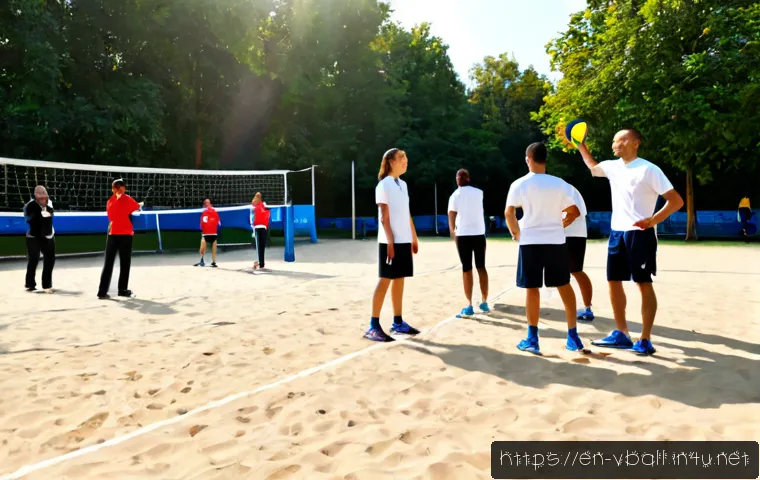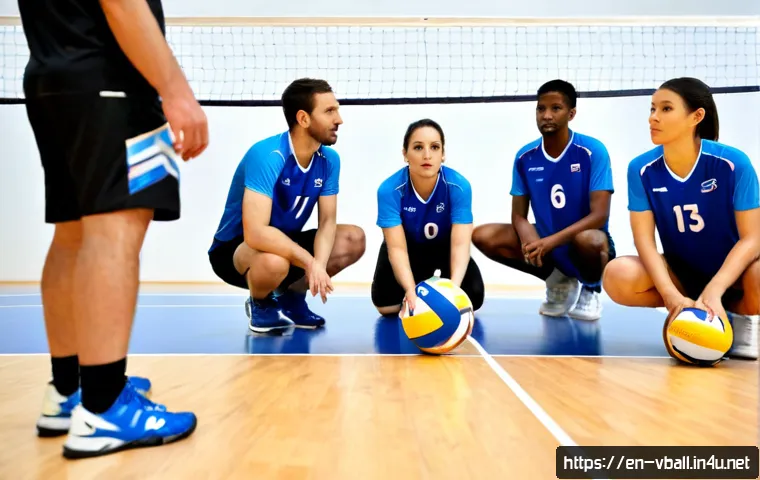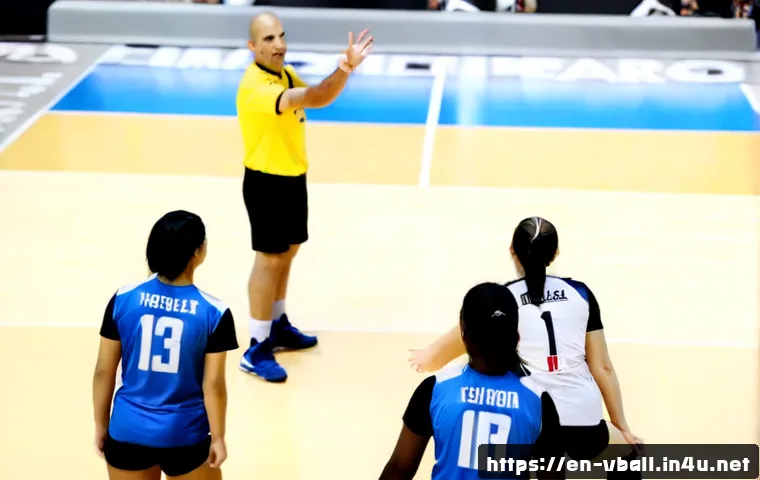
For most volleyball rules tests, study scoring, rotation order, team contacts, serving order, and common faults first. Use the rulebook for your own school, league, or certification program before memorizing details, because local and beach-volleyball rules may differ from standard indoor play.
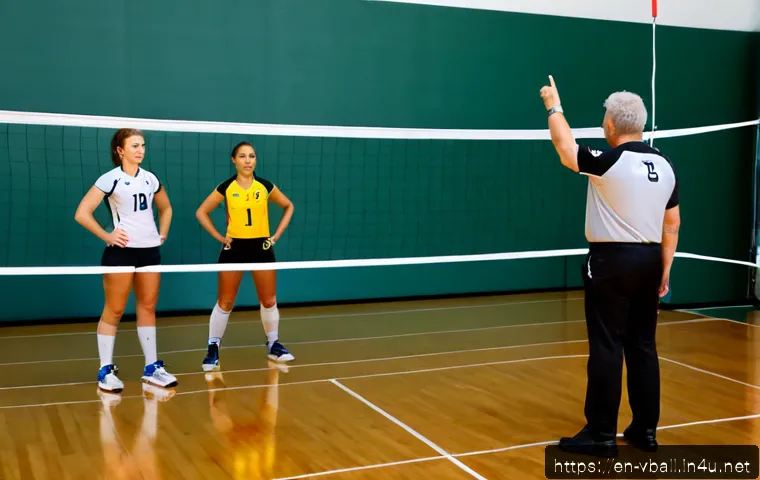
Standard indoor volleyball commonly uses six players per side and rally scoring, so every rally produces a point. A team generally has up to three contacts to send the ball back, while a block does not count as one of those contacts.
Official rulebooks, referee training resources, and coaching courses can be useful when you need current terminology, diagrams, or practice scenarios.
The best study plan is simple: learn the core rules, compare them with your local format, then practice decisions using short match situations.
At a Glance
- Study scoring, rotations, contacts, and serving first because these topics appear in many basic volleyball rules questions.
- Use the correct local rulebook before studying exceptions for school, youth, recreational, beach, or certification play.
- Practice game scenarios so you can identify a fault, a legal play, or a referee decision under pressure.
| Study Option | Best When | What to Check |
|---|---|---|
| Standard indoor volleyball guide | Your test follows common six-player indoor rules | Rally scoring, rotations, three contacts, blocks, and serving order |
| Beach volleyball materials | Your event or quiz is specifically about beach play | Whether definitions, procedures, or player responsibilities differ from indoor rules |
| School or recreational league guide | Your class or league uses adapted rules | Scoring format, substitutions, libero rules, and youth modifications |
| Official rulebook or referee course | You need formal terminology, current guidance, or structured practice | Governing body, edition date, visual examples, practice questions, and budget |
What You Need to Know Before Taking a Volleyball Rules Test
The fastest study order: scoring, rotations, contacts, faults, and officials
Start with the rules that shape nearly every rally. Under rally scoring, a point is awarded after every rally, regardless of which team served. Then learn the rotation sequence: when a team gains the right to serve, its players must follow the required rotational order.
Next, review team contacts. A team may generally use up to three contacts to return the ball, and a block contact is excluded from that count under standard indoor rules. After that, focus on the faults most likely to create test questions: rotation errors, consecutive contacts, service-order mistakes, and interference near the net.
Finally, learn the terms an official may use. A rules test may ask what happened in a rally, what the call should be, or which player was out of position. Knowing the vocabulary helps, but applying it to a real sequence matters more.
Why the correct rulebook matters before you memorize answers
Do not assume every volleyball setting follows the same details. Indoor, beach, school, youth, and recreational volleyball can use different procedures or local modifications. Your test may also use a specific governing body’s terminology.
Before buying a coaching resource or starting a referee training course, confirm which rules your program uses. A well-made guide is still the wrong study tool if it covers a different competition format. Ask your coach, instructor, league organizer, or test provider which current rule source applies.
Core Rules Most Volleyball Tests Cover
Rally scoring, set length, and the two-point winning margin
In standard indoor volleyball, every rally awards a point. A set is generally won by reaching 25 points with a two-point lead. A deciding set is commonly played to 15 points with a two-point lead.
The key test idea is the margin. Reaching the target score alone is not enough if the lead is only one point. Read each question carefully: it may test whether a set is over, whether play continues, or whether a team has met both conditions.
Team contacts, blocks, double contacts, and legal ball handling
A team generally has up to three contacts to return the ball. Under standard indoor rules, a block contact does not use one of those three contacts. This is an important distinction in scenario questions: after a block, the team can still organize its return within the allowed number of contacts.
A player may not hit the ball twice consecutively, except when the first contact is a block. The ball may touch any part of the body if the contact is legal and is not prolonged or caught. Tests often use short descriptions to see whether you can separate a quick legal contact from a held or caught ball.
When the wording is unclear, avoid guessing based only on how a play looked. Some ball-handling decisions require referee judgment, and the exact language used on your test should match its own rule source.
Serving rules, service order, and rotation basics
Serving questions often combine two ideas: who should serve and whether the team is in the proper rotation. When a team gains the right to serve, the players must follow rotational order. A player serving out of order can create a service-order or rotation problem.
For exam preparation, draw six court positions and trace what happens after a team earns service. You do not need a complicated diagram. The goal is to understand that the serving right and the players’ order are connected.
Rule Differences to Compare Before You Study
Standard indoor volleyball versus beach volleyball
Do not treat beach volleyball as a simple outdoor version of standard indoor play. The competition format can use different rule details, procedures, and terminology. If your quiz covers beach volleyball, study from material written specifically for that format rather than relying on an indoor summary.
The safe approach is to identify the format first, then confirm the official guidance used by the organizer. This prevents a common test mistake: choosing an answer that is true in one version of volleyball but not necessarily in another.
School, youth, and recreational league variations
School, youth, and recreational leagues may use adapted rules. Local policies can affect areas such as special substitutions, libero restrictions, altered scoring, or simplified youth procedures. These details cannot be assumed from a general indoor volleyball guide.
Use your class handout, league rules page, or organizer’s current instructions as the final authority. A general rules quiz may test standard concepts, while a local test may focus on the procedures participants are expected to follow in that specific league.
Comparison table: what usually changes and what usually stays the same
| Topic | Common Core Concept | What You Should Verify Locally |
|---|---|---|
| Players on court | Standard indoor volleyball commonly has six players on each team | Whether your format uses a different team arrangement |
| Scoring | Rally scoring awards a point after every rally | Local set format or altered scoring procedures |
| Contacts | Teams generally have up to three contacts; a standard indoor block is excluded | Format-specific handling and block interpretations |
| Rotations | Teams follow rotational order when gaining the right to serve | School, youth, or recreational adaptations |
Common Violations and Test-Trap Questions
Rotation and overlap errors
Rotation questions are easy to miss because they may look like serving questions. If a team gains the right to serve, players must be in the proper rotational order. A test may describe a rally and ask whether the correct player served or whether the lineup was legal at the relevant moment.
Study tip: identify the moment when the team gained service, then trace the required order. Do not decide based only on where a player moved during the rally.
Net, center-line, and interference faults
Questions about the net, the center-line area, or interference should be answered using the exact wording of your applicable rules. These are areas where detailed definitions and referee judgment can matter. A general study sheet can help you recognize the topic, but it should not replace the official source used for your test.
If referee signals are included in your assessment, use a current visual resource from the correct governing organization. Signal names and presentation can vary by program.
When a touch is legal, illegal, or requires referee judgment
A ball may legally touch any part of a player’s body, as long as the contact is legal and not prolonged or caught. A player cannot hit the ball twice in a row unless the first contact was a block. Those are the core facts to apply first.
Try this scenario: a player blocks the ball, then immediately plays it again. Under standard indoor rules, the first contact being a block makes the consecutive contact exception relevant. Now compare that with a player making one ordinary contact and then contacting the ball again immediately. That is the kind of distinction a rules test may target.
Practice Method for Coaches, Players, and New Referees
Use match scenarios instead of memorizing isolated terms
Turn each rule into a short question. For example: “A team blocks the ball and then uses three more contacts. Is the block included?” Or: “A team gains the right to serve. What must happen to the rotational order?” Scenario practice reveals whether you understand the sequence, not just the definition.
For coaches, this method also works well in team meetings. Pause a practice rally, describe the situation, and ask players to name the rule category: scoring, rotation, contacts, serving, or interference.
Build a one-page checklist for pre-match review
Keep the page short enough to scan before a quiz or match:
- Scoring: every rally produces a point.
- Sets: generally 25 points with a two-point lead; deciding sets commonly 15 with a two-point lead.
- Contacts: up to three, with a standard indoor block excluded.
- Consecutive contacts: not allowed unless the first contact was a block.
- Rotation: confirm the required order when gaining the right to serve.
When official manuals, referee courses, or coaching resources add value
An official manual is useful when your test uses formal definitions or a specific rulebook edition. A referee course can add value when you need structured instruction, current signals, and decision-based practice. Coaching resources may be more useful when your goal is teaching players how rules affect positioning and match management.
Choose paid practice materials carefully. Look for the correct governing rules, a current edition, scenario-based questions, and diagrams that support your learning style. Extra features are not helpful if the resource does not match your league.
Selection Criteria and Comparison Summary
Choose a study resource by checking which governing rules it covers, whether it is a current edition, whether it includes practice questions and match scenarios, whether visual diagrams are useful to you, and whether the cost fits your budget. If you only need a basic school quiz review, a concise local guide may be enough. If you are preparing for officiating or coaching responsibilities, an official rulebook or referee training resource may be worth considering. For official guidance, detailed conditions, and current materials, check the relevant organization’s resource page.
Final checklist before taking the test
- Confirm the volleyball format covered by the test.
- Verify the governing body or local league rules.
- Review rally scoring and the two-point winning margin.
- Practice rotations after gaining the right to serve.
- Review three contacts, block exceptions, and consecutive-contact rules.
- Read local guidance for substitutions, libero rules, signals, and special procedures.
In Closing
A volleyball rules test becomes much easier when you study the order of play instead of isolated phrases. Start with scoring, rotations, contacts, and serving, then compare those core concepts with your own competition format. The most reliable answer is the one supported by the current rules used by your school, league, or certification program. When in doubt, verify the exact rulebook before test day.
Useful Things to Know
1. Standard indoor volleyball commonly uses six players on each side of the court.
2. Rally scoring means the serving team does not need to win the rally for a point to be awarded.
3. A block has special importance because it does not count as one of the team’s three contacts under standard indoor rules.
4. A legal contact can involve any body part, provided the ball is not caught or prolonged.
5. Local formats may change procedures, so always check the applicable rules.
Important Notes
This guide covers common standard indoor volleyball concepts and study priorities. It does not identify the exact rules, test wording, referee signals, substitutions, libero restrictions, or scoring procedures used by your specific school, league, beach event, youth program, or certification provider. Check the current official rulebook or local competition instructions for final confirmation.
Frequently Asked Questions
Q1. What rules should I study first for a volleyball rules test?
A1. Start with rally scoring, set-winning margins, rotational order, serving order, team contacts, block exceptions, and consecutive-contact rules. These concepts affect many common match scenarios.
Q2. Are school volleyball rules the same as official indoor volleyball rules?
A2. Not always. School programs may use local procedures or adapted rules, including possible changes involving scoring, substitutions, libero restrictions, or youth-focused simplifications. Use your school’s current materials as the final reference.
Q3. Is a paid referee course or official rulebook worth it for a beginner?
A3. It can be worthwhile if you need formal terminology, current guidance, referee signals, or structured scenario practice. For a basic quiz, first check whether your coach, teacher, or league provides the applicable rules at no additional cost.