The fastest way to learn volleyball rules is to watch short rule videos first, then pause real rallies to identify scoring, contacts, rotations, and faults.
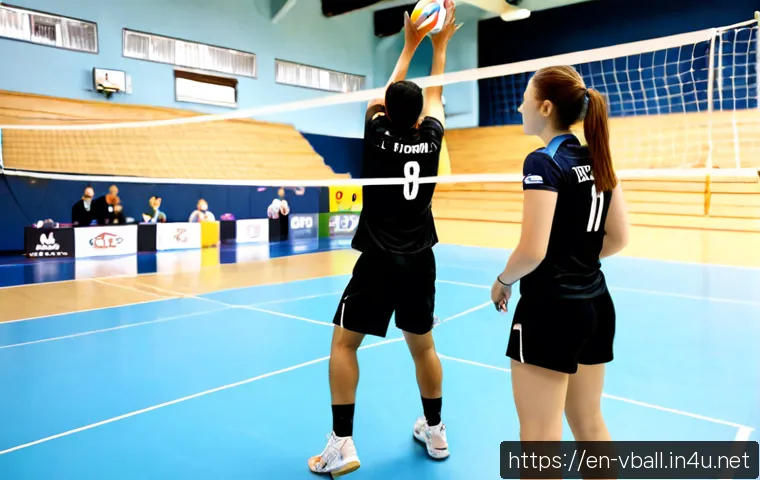
For most beginners, a clear explainer plus a full-match breakdown is more useful than jumping straight into advanced coaching content. Video makes rules easier to recognize because you can replay the exact moment a call happens.
Start with rally scoring, the three-contact limit, and clockwise rotation after winning the right to serve. Then add common faults such as double contacts, lifts, net interference, and center-line interference.
If you are considering an online volleyball coaching video library, choose one that states its ruleset and offers clear replays rather than simply promising more drills.
At a Glance
- Start with a short rules explainer for scoring, three contacts, and rotation.
- Use full-match video and replay to spot faults, referee calls, and real-game positioning.
- Before paying for an online volleyball coaching resource, check its ruleset, replay tools, and instructor clarity.
| Video Type | Best For | What to Look For | Watch Out For |
|---|---|---|---|
| Short rule explainers | First-time players and PE students | Simple court diagrams, slow motion, clear rule labels | May not show how rules look during a fast rally |
| Full-match breakdowns | Players joining recreational or school teams | Replay, commentary, visible player positions, call explanations | Can feel confusing before basic rules are learned |
| Referee-signal videos | Team volunteers, parents, and players | Signal name paired with the play that caused it | Signals should match the competition rules you use |
| Paid coaching libraries | Players wanting structured volleyball training | Ruleset details, organized lessons, replay controls, coaching feedback options | Content, pricing, and subscription terms should be checked before joining |
The Fastest Way to Understand a Volleyball Match on Video
The quickest route is to see a complete rally first. A volleyball rally shows the basic flow: a serve begins play, each side tries to return the ball, and one team earns a point when the rally ends. Do not try to memorize every signal on the first viewing. Instead, watch how the ball moves and notice when the referee stops play.
Watch One Complete Rally Before Learning Individual Rules
Choose a clip that shows the serve, the return, and the final call without cutting away. Watch it once at normal speed. Then replay it and ask a simple question: Why did the point end? The answer may be a ball landing, a missed return, or a rule violation. This approach gives each rule a real situation instead of making it feel like a list to memorize.
Focus First on Scoring, Three Contacts, and Rotation
Indoor volleyball generally has six players on the court per side. A point is awarded on every rally under rally-point scoring. Standard indoor sets are usually played to 25 points, and a team needs a two-point lead. A deciding set is commonly played to 15 points, also requiring a two-point lead.
Next, learn the team-contact pattern. A team may use up to three contacts to return the ball, with a block touch excluded in standard rule frameworks. Finally, watch for rotation. When a team wins the right to serve, its players rotate clockwise. These three topics explain a large share of what new viewers see in a match.
Use Pause-and-Replay Moments to Identify Faults
When a whistle sounds, pause the video just before the call. Look at the ball, the net, and the players’ feet. Then replay the moment and identify the likely issue. This is especially helpful for a double contact, a lift or catch, net interference, or center-line interference. A useful volleyball rules video does not merely name a fault; it lets you see the action that produced it.
Core Rules to Recognize While Watching
Begin with the rules that affect nearly every rally. You do not need to make instant referee-level judgments at first. Your goal is to recognize the pattern, understand why play stopped, and know which details to check again.
Rally Scoring, Sets, and Winning by Two Points
With rally-point scoring, every rally results in a point for one team. This makes each serve and each error important. In standard indoor play, sets are usually played to 25 points, but the leading team must be ahead by two points. A deciding set is commonly played to 15 points with the same two-point requirement.
When watching video, notice the score before a serve and again after the whistle. This creates a simple habit: follow the rally, identify who won it, and confirm that the score changed. Rules can vary by organization, so use the scoring format in the video only after checking that it matches your school, club, or league.
Serve Order and Clockwise Player Rotation
Rotation can look difficult because players move after a change in serving rights, not after every point. When a team wins the right to serve, players rotate clockwise. A video with an overhead court view, lineup graphic, or pause screen is especially helpful for learning this movement.
Do not rely only on close-up clips of a hitter or server. Those clips may be useful for technique, but they often hide the court positions needed to understand serve order. For volleyball training beginners, wide-angle video is often the better choice for rotation practice.
Legal Contacts, Blocks, and the Three-Touch Limit
A team may use up to three contacts to return the ball, excluding a block touch in standard rule frameworks. This is why viewers often see a pass, a set, and an attack. However, not every rally follows that exact pattern. A team may return the ball sooner when needed.
The ball may contact any part of the body if the contact is legal under the applicable rules. That can surprise beginners who assume volleyball can only be played with the hands. Focus on whether the contact is legal, not simply which body part touched the ball.
A common source of confusion is the block. In standard frameworks, a block touch does not count as one of the three regular team contacts. When studying a video, pause after the block and count the contacts that follow. This builds a much clearer understanding than trying to count at full speed.
Net, Center-Line, Double-Contact, and Lift Faults
Several common violations are easier to learn visually than through written definitions. Watch for four contacts, a double contact, a lift or catch, net interference, and crossing the center line in a way that interferes with play. The same kind of action can be difficult to judge from one camera angle, so replay quality matters.
Do not assume that a whistle always means the same fault in every organization. School, club, beach, recreational, and international volleyball can use different rule details. A good learning video identifies the ruleset it follows or points viewers to the appropriate official rule guidance.
Which Type of Volleyball Video Is Worth Watching?
The best choice depends on where you are starting and what you need to do next. A new player needs recognition and confidence. A parent or team volunteer may need referee signals. A player preparing for organized competition may benefit from structured online volleyball coaching content that combines rules with positioning and practice.
Short Animated Explainers for First-Time Learners
Short explainers are usually the easiest entry point. Look for videos that show a court layout, label the six positions, and use slow motion for common faults. Clear narration is valuable because terms such as rotation, double contact, and center line can be hard to understand when introduced too quickly.
These videos work best when you want a basic answer fast. They are less useful when you need to see how several rules interact in a live rally. After learning the vocabulary, move on to match footage.
Full-Match Breakdowns for Seeing Rules in Context
Full-match analysis helps you connect rules to real decisions. Look for a breakdown that pauses on a serve, identifies the rotation, and explains why a point was awarded. A wide court angle is useful because it shows both the ball and the positions around it.
For beginners, avoid treating every tactical choice as a rule. A team may use different attacking patterns, but basic legality still comes back to contacts, player positions, the net, and interference. Learn the foundation before copying advanced tactics.
Referee-Signal Clips for Players and Team Volunteers
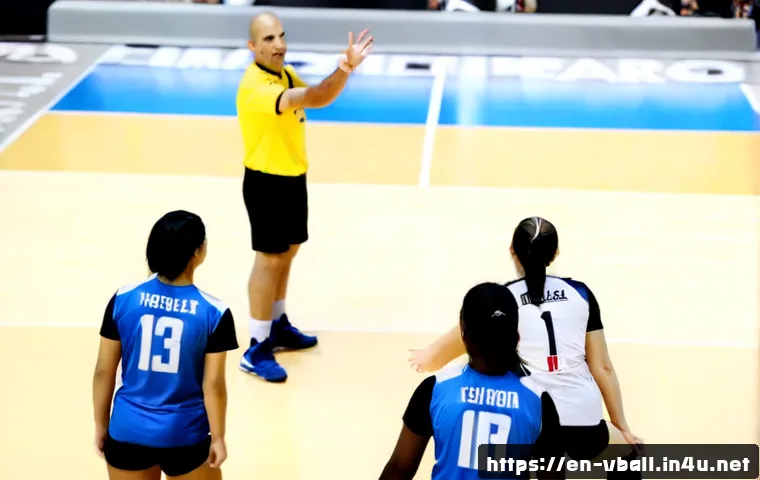
Referee-signal clips can help players understand what they are being called for and help volunteers follow a match more confidently. The strongest clips pair a signal with the action that led to it. Seeing the whistle, the gesture, and the replay together makes the call easier to remember.
Use these clips as a recognition tool, not as a replacement for the rulebook used by your event. Signal practices and rule details may differ among organizations.
Paid Coaching Libraries: When Structured Instruction May Add Value
A paid volleyball coaching library may add value when you want lessons in a clear order rather than isolated clips. It can be useful if it separates beginner rules, rotations, court positioning, and skill practice into distinct sections. Replay controls and instructor explanations can also make difficult calls easier to study.
Before choosing a subscription, check whether the platform explains its ruleset, shows sample lesson structure, and includes the kind of instruction you need. Some learners need rule recognition; others want drills or coaching feedback. Do not pay for a large training library if a short rules course and a few match breakdowns meet your current goal.
A Simple Video Practice Routine for Learning Rules

Passive viewing is entertaining, but active viewing creates recognition. Use a short routine with the same clip several times. Keep the focus narrow: one session for scoring, another for rotation, and another for faults.
Watch a Rally Without Sound and Call the Result
Play a rally with the sound off. Before the referee signal appears, say what you think happened: point, ball down, four contacts, net interference, or another possible result. You will not be correct every time. The purpose is to train your eyes to follow the action rather than wait for commentary.
Replay the Moment and Identify the Rule
Replay the final seconds in slow motion if available. Count contacts, check whether a player touches the net, and note where players are standing. Then turn the sound on or read the video explanation. If the call remains unclear, mark it as a question instead of guessing.
Practice Rotation With a Court Diagram or Teammates
After watching a rotation clip, draw a simple six-player court diagram. Move each player one position clockwise after the team gains the right to serve. If you have teammates, walk through the movement together before practice. This is often easier than trying to learn rotation only while the ball is in play.
Check the Rules Used by Your School, Club, or League
This step matters. Volleyball rule details can differ among school, club, beach, recreational, and international organizations. Ask the organizer which ruleset applies, or review the official guidance connected to your competition. A video can be clear and still be a poor fit if it teaches a different format from the one you will play.
Common Viewing Mistakes That Create Confusion on Court
Many beginner errors start before anyone steps onto the court. They happen when viewers learn from clips without context, copy what they see too early, or assume a single explanation applies everywhere.
Assuming Every Volleyball Format Uses Identical Rules
Indoor, beach, school, club, recreational, and international settings may differ in rule details. Start by identifying the format shown in the video. Then compare it with the rules used in your own setting. This small check can prevent confusion about scoring, contacts, faults, and procedures.
Confusing a Block Touch With a Regular Team Contact
A block touch is excluded from the three-contact limit in standard rule frameworks. Beginners may see a block and assume the team has only two more touches available. Watch clips that pause immediately after a block, then count the next contacts. This is one of the best uses of slow motion.
Learning Advanced Tactics Before Basic Positioning and Rotation
Highlight clips often feature powerful attacks and fast defensive plays. They can be motivating, but they are not the best starting point for rule learning. First understand where players rotate, how many contacts a team may use, and what ends a rally. Once those basics feel familiar, tactical volleyball training videos become much easier to follow.
Choosing a Video Learning Option: Cost, Features, and Best Fit
Choose based on the problem you need to solve, not on the largest content library. A free rule explainer may be enough for a first practice. A structured coaching subscription may be more suitable if you need ongoing lessons, replay tools, and organized beginner volleyball training.
Free Videos Versus Paid Coaching Subscriptions
Free videos can be a practical way to learn basic vocabulary, scoring, and common faults. They are especially useful when you want to compare several teaching styles. Paid coaching subscriptions may be worth considering when the lessons are structured, the instructor explains calls clearly, and the material matches your playing environment.
Do not assume that a paid platform automatically uses your local league rules. Check the stated ruleset, lesson descriptions, access terms, and available feedback features before making a decision.
What Beginners Should Prioritize Before Paying
Prioritize accuracy, clear camera angles, replay access, and beginner-friendly explanations. A useful video should help you see the entire rally, not only the final hit. It should also separate rules from tactics so you know whether you are learning a requirement or merely one team’s preferred strategy.
If you are buying beginner equipment or considering an online coaching resource, keep the purchase decision separate from the rules decision. Learn what your team or league expects first, then choose training support that fits that environment.
A Final Checklist for Selecting Accurate, Useful Instruction
Before you save, subscribe to, or share a volleyball learning video, ask: Does it name the volleyball format? Does it clearly show rotations? Can you replay fault calls? Is the instructor easy to understand? Does the lesson fit a beginner, player, coach, or volunteer? These questions are more useful than choosing based on video length alone.
Selection Criteria and Comparison Summary
Use this short checklist when choosing a volleyball rules video or online coaching option:
- Ruleset: Confirm that the content fits your school, club, league, tournament, or volleyball format.
- Learning goal: Choose explainers for basics, match analysis for context, and structured coaching for an organized training path.
- Replay quality: Prioritize pause, slow-motion, or clearly repeated examples for faults and contact counting.
- Camera angle: Select wide views for rotation and court position; close views alone are not enough.
- Instructor clarity: Look for explanations that distinguish rules, referee calls, and tactical choices.
- Coaching feedback: If feedback matters to you, review the available lesson details and conditions on the relevant page before subscribing.
For paid volleyball coaching resources, check the lesson outline, ruleset information, and subscription conditions on the provider’s page before choosing.
Conclusion
Video is one of the most practical ways to learn volleyball rules because a rally can be paused, replayed, and reviewed from different angles. Start small with scoring, contacts, and rotation, then use real-match footage to recognize faults. The best resource is not necessarily the longest one; it is the one that clearly matches your level and playing format. When in doubt, confirm the rules used by the league where you will actually play.
Useful Information to Keep in Mind
One: Watch a complete rally before focusing on individual calls. Two: Count team contacts after a block rather than treating the block as a regular contact in standard frameworks. Three: Use a court diagram to make clockwise rotation easier to remember. Four: Save difficult clips and revisit them after you learn the related rule term.
Important Notes
Volleyball rules and procedures can vary among school, club, beach, recreational, and international organizations. This guide covers general indoor volleyball concepts and cannot confirm the exact rules used by a particular event. Always check the official guidance or ask the organizer when a local rule, referee decision, or competition format affects your play.
Frequently Asked Questions
Q1. What is the best type of video for learning volleyball rules as a beginner?
A1. Start with a short, clear rule explainer that covers rally scoring, rotation, and the three-contact limit. Then watch a full-match breakdown with replay so you can see those rules applied during real rallies.
Q2. Are free volleyball rule videos enough, or is a paid coaching platform worth it?
A2. Free videos may be enough for learning basic rules and vocabulary. A paid coaching platform may be useful if you want structured beginner lessons, replay tools, organized volleyball training, or coaching feedback. Check the ruleset, lesson content, and subscription conditions before paying.
Q3. How can I tell whether a volleyball rules video matches my local league’s rules?
A3. Look for the format or organization named in the video, then compare it with the rules used by your school, club, league, or tournament. If the video does not state its ruleset, treat it as general learning material and confirm local details with the organizer or official rule guidance.