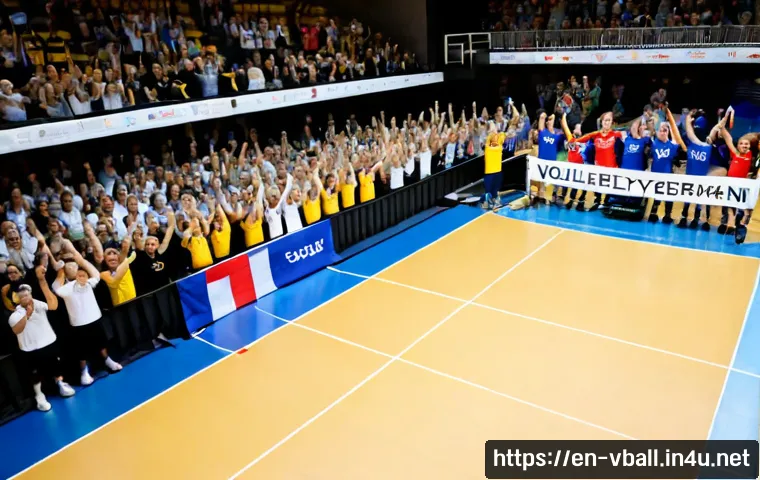
Positive volleyball fan culture is energetic, organized, and respectful: cheer for your team, avoid targeting others, and follow the venue’s spectator rules.
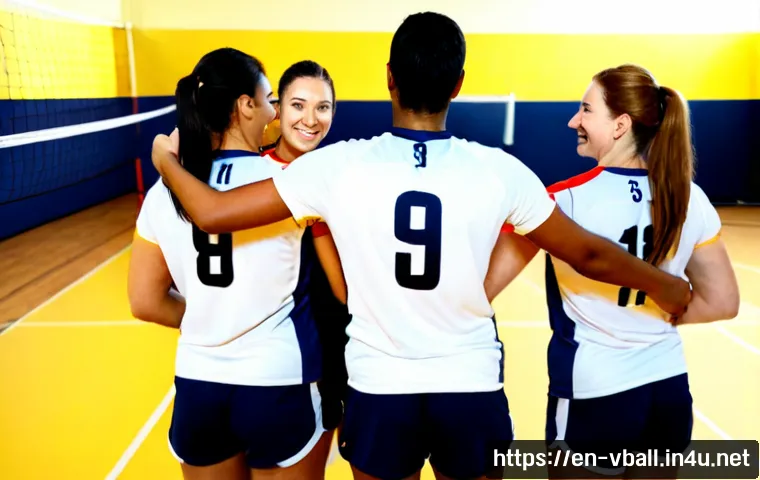
Bring simple, reusable fan items when permitted, and verify policies on signs, noisemakers, seating, and group arrangements before game day. The best choice is usually the one that helps supporters participate without blocking views, distracting athletes, or creating extra work for event staff.
For families and first-time spectators, a little preparation makes the match easier to follow and more enjoyable. Matching apparel, group tickets, and event support materials can be useful when they fit the venue, the group’s budget, and the team’s preferred atmosphere.
At a Glance
- Cheer for your own team with positive words, coordinated applause, and respectful reactions.
- Bring only approved items and check venue rules before preparing signs, apparel, or noisemakers.
- Match the moment: rallies, timeouts, and post-point celebrations are natural times for crowd energy.
| Fan Item or Option | Best Use | Venue-Policy Risk | Budget Consideration | Family-Friendliness |
|---|---|---|---|---|
| Team-color apparel | Easy group identity and repeat use | Usually lower, but confirm dress rules if applicable | Compare durability and how often it can be worn | High |
| Handheld signs or posters | Visible support before play or between points | May be restricted for size, wording, or sightlines | Reusable materials may offer better value | High when kept low and respectful |
| Clappers or noisemakers | Coordinated energy at approved moments | Higher; noise limits can vary by venue | Consider whether they can be used again | Depends on noise level and seating area |
| Group ticket planning | Keeping supporters together | Check seating, accessibility, and group conditions | Compare total group cost, not just one ticket | High when families can sit together |
What Positive Volleyball Support Looks Like
Positive support makes the match feel bigger without making it hostile. Volleyball spectators can shape the atmosphere through cheering, noise level, and reactions to calls. The goal is not to be silent; it is to direct energy in a way that supports athletes, respects officials, and keeps nearby spectators comfortable.
Cheer for Your Side Without Targeting the Other Team
A good chant celebrates effort, teamwork, and momentum. Applaud a long rally, encourage a player after an error, or use a simple team phrase after a point. Avoid comments aimed at individual opponents, officials, or families. A loud crowd can still show excellent sportsmanship.
Match Crowd Energy to the Rally, Timeout, and Post-Point Moments
Volleyball rotations and rallies create frequent natural moments for coordinated cheering. Supporters can build energy before a rally, react positively after a point, and join a chant during a timeout. During active play, watch the team’s rhythm and the venue’s expectations rather than trying to lead nonstop noise.
Keep Player, Referee, and Family Safety Ahead of Noise and Rivalry
Players, referees, and other spectators should never become targets of frustration. Keep aisles open, do not throw items, and avoid behavior that can lead to arguments in the stands. A welcoming crowd is more valuable than a louder crowd.
Fan Gear, Signs, and Group Options: What Is Worth Bringing?
The most useful volleyball fan gear is easy to carry, appropriate for the setting, and allowed by the venue. Before buying fan merchandise or organizing a coordinated group, think about visibility, noise, portability, and reuse.
Apparel, Posters, Clappers, and Noisemakers Compared
Team-color apparel is often the simplest option because it creates a unified look without affecting sightlines or sound levels. Posters can work well when they use encouraging language and stay low enough not to block people behind you. Clappers and other noisemakers may add energy, but they need more caution because some athletes may be distracted by shouting during a serve and some venues may limit noise.
Venue Rules to Check Before Purchasing or Preparing Items
Youth, school, club, collegiate, and professional venues may each have their own spectator and prohibited-item rules. Check whether signs, banners, drums, air horns, cowbells, organized chants, or other noisemakers are permitted. Also review rules affecting seating, entrances, accessible areas, and items that could interfere with other guests.
When Group Tickets or Coordinated Team Colors Add Real Value
Group ticket options can be useful when supporters want to sit together and make attendance easier to coordinate. Matching colors can help a school or club group look organized without requiring every person to buy the same item. Compare the total group cost, seating arrangement, durability of apparel, and whether the item will be useful beyond one match.
Volleyball Spectator Etiquette That Prevents Common Problems
Clear etiquette protects the match experience for athletes and fans alike. It also helps first-time spectators feel confident about when to cheer, where to stand, and how to react when the score becomes tense.
Avoiding Distractions During Serves and Critical Rallies
Some athletes may welcome organized crowd energy between points, while others may be distracted by shouting during a serve. If the venue has a stated noise expectation, follow it. When no guidance is available, choose supportive applause and save larger chants for timeouts, substitutions, and post-point moments.
Responding to Referee Calls Without Escalating Conflict
Disagreement with a call is part of sports, but personal criticism is not useful support. A brief reaction is different from repeated shouting at officials or encouraging others to do the same. Reset quickly, encourage the team, and let the match continue.
Keeping Aisles, Sightlines, and Accessible Seating Clear
Stay aware of people behind and beside you. Keep signs at a reasonable height, return to your seat promptly, and do not gather in aisles. Accessible seating areas and walkways should remain clear at all times. These small choices are a practical form of respect.
Adapting the Atmosphere for Youth, School, Club, and Higher-Level Matches
The right fan culture changes with the setting. A school gym, club tournament, college venue, and professional arena may all have different expectations for noise, seating, and crowd participation.
Teaching First-Time Spectators the Basics
Children attending matches may benefit from simple explanations of scoring, rotations, and spectator expectations. Explain that rallies can change quickly, players rotate, and supporters should encourage effort from both sides through respectful behavior. A short explanation before the first serve can prevent confusion later.
Supporting Young Athletes Without Creating Extra Pressure
At youth and school matches, athletes may already feel the pressure of competition. Praise communication, hustle, and teamwork instead of demanding a result from the stands. Parents and supporters can help create a healthier volleyball team culture by making encouragement more noticeable than criticism.

Adjusting Expectations for Larger, Louder Venues
Higher-level matches may have a more organized supporter atmosphere, but venue policies still come first. Larger crowds may use chants, apparel, and designated cheering sections. Do not assume that a noise practice from one venue is accepted at another.
How Teams and Organizers Can Create a Welcoming Crowd Experience
Teams and organizers can make respectful support easier by giving spectators simple, visible guidance. Clear communication helps fans participate without guessing about rules or unintentionally disrupting the match.
Simple Chant Guidelines and Clear Behavior Expectations
Provide short, positive chant ideas that focus on the home team rather than the opponent. A reminder to respect players, officials, and families can be included with game-day information. The best guidelines are easy to understand and easy to follow.
Family-Friendly Communication Before the Match
Share key expectations before game day: arrival information, seating guidance, approved fan gear, and prohibited items. For families, it is helpful to explain where to find official spectator policies and what children should expect during the match.
Planning Volunteer Support, Seating, and Post-Match Recognition
Volunteers can help direct groups, answer basic seating questions, and keep walkways clear. Post-match recognition should remain respectful for both teams. A positive exit experience gives families and visiting supporters a reason to return.
Choosing Fan Gear and Game-Day Support: A Comparison Summary
Choose low-risk, reusable items when venue rules are unclear. Team-color shirts, simple approved apparel, and polite applause are often easier to manage than large signs or loud noisemakers. Compare cost, portability, noise level, visibility, and how the item may affect other spectators.
Choose Low-Risk, Reusable Items When Venue Rules Are Unclear
If you cannot confirm a policy in advance, avoid assuming that signs or noisemakers will be allowed. Reusable apparel and small, non-disruptive support items may be the more practical choice.
Compare Cost, Portability, Noise Level, and Visibility
A useful purchase should fit the group’s actual needs. Ask whether the item is easy to carry, likely to be permitted, visible without blocking others, and suitable for more than one event. For group ticket planning, consider whether the seating arrangement supports families, children, and accessibility needs.
Prioritize Respect and Participation Over Expensive Accessories
Fan merchandise can add unity, but it does not create good support on its own. A coordinated clap, an encouraging phrase, and attention to venue rules can have more value than costly accessories.
Selection Criteria and Comparison Summary
Before choosing fan gear, group tickets, or event support materials, check venue rules, durability, noise level, portability, and total group cost. Consider whether children, older relatives, or guests with accessibility needs will be attending. Choose items that encourage participation without affecting sightlines or play. Compare official venue guidance, product details, and group seating conditions before buying.
Closing Thoughts
A strong volleyball crowd does more than celebrate points. It gives athletes encouragement, helps newcomers feel included, and keeps the match enjoyable for everyone in the building. The best game-day choices are respectful, practical, and suited to the specific venue. When in doubt, choose support that is positive, portable, and easy to put away.
Useful Things to Know
1. Rallies, timeouts, and post-point moments are natural opportunities for coordinated cheering.
2. Children may enjoy the match more when they understand basic scoring and rotations.
3. Different venues may have different rules for signs, banners, apparel, and noisemakers.
4. Keeping aisles and sightlines clear is part of good spectator etiquette.
Important Notes
Rules on noisemakers, signs, banners, chants, seating, and prohibited items vary by league, school, club, and venue. A particular team, coach, athlete, or supporter group may also have its own preferred cheering style. Confirm current event details directly with the relevant venue or organizer before making purchases or preparing group materials.
Frequently Asked Questions
Q1. What is appropriate to yell at a volleyball game?
A1. Positive support for your own team is appropriate, such as encouragement after a rally or applause for effort. Avoid insulting opponents, officials, or individual players. If the venue has rules about noise during serves, follow them.
Q2. Are noisemakers and signs allowed at volleyball matches?
A2. It depends on the venue. Youth, school, club, collegiate, and professional matches may have different policies for signs, banners, clappers, drums, air horns, cowbells, and other items. Check official spectator guidance before bringing them.
Q3. Is buying matching fan gear worth it for a school or club volleyball group?
A3. It can be worthwhile if the gear is reusable, comfortable, permitted by the venue, and fits the group’s total budget. Matching team colors may provide a simpler option than buying identical accessories for every supporter.