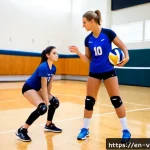
Better volleyball training combines court skills, movement work, strength training, and recovery instead of relying on one type of practice. Build intensity gradually, use controlled landing form, and shape your routine around your position and current fitness.
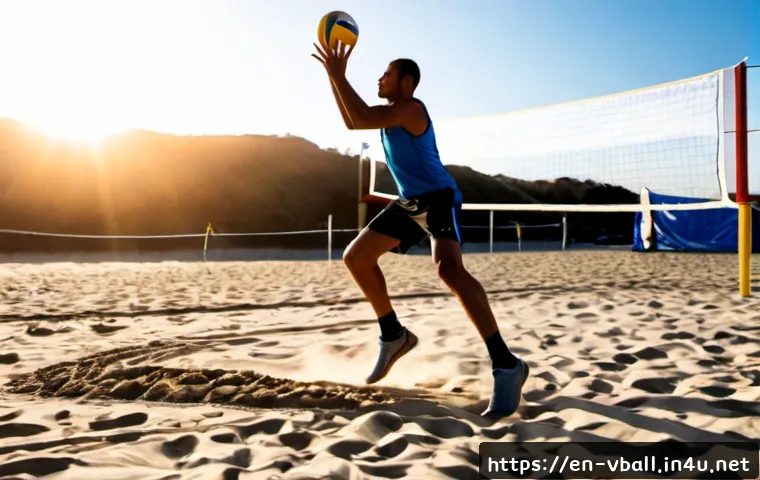
A useful plan gives attention to passing, setting, serving, attacking, blocking, and defense as needed. It also leaves room to recover so that hard sessions do not simply become accumulated fatigue.
The best routine is not identical for every player, but it should have a clear purpose for each session. The tips below can help you organize training while keeping technique and long-term progress in focus.
Build a Balanced Weekly Volleyball Routine
Combine court skills, strength, mobility, and recovery
A balanced volleyball routine gives each area a role. Court sessions can focus on technical repetitions and game situations, while strength work supports force production and stable movement. Mobility work can help you move through the positions required for low defense, approach steps, and overhead actions. Recovery should also be planned, especially after demanding jumping, hitting, or full-court sessions.
Rather than making every workout hard, decide what the main goal is: ball control, movement quality, lower-body strength, serving accuracy, or recovery. This keeps training organized and reduces the temptation to add more volume without a reason.
Adjust sessions for beginners and competitive players
Beginners may benefit from more time learning ready position, platform angles, basic footwork, and controlled contacts. Competitive players may need a larger share of training devoted to position-specific actions and game-like decisions. A setter may emphasize setting movement and location, while a middle blocker may spend more time on blocking transitions and jump control.
Exact training volume, resistance, and recovery needs depend on the athlete. Fitness level, age, schedule, injury history, and medical restrictions should be considered before increasing workload.
Improve Footwork and Court Movement
Practice ready position, shuffle steps, and transition movement
Good movement starts before the ball is contacted. Practice a balanced ready position with knees and hips prepared to move, then use shuffle steps to stay square to the ball when appropriate. Include drills that move you from defense to attack, from serve receive to coverage, or from blocking to a defensive position.
Keep the focus on arriving under control. Fast feet are useful, but rushing into poor body position can make the next contact less reliable. Begin with predictable movement patterns, then add a target, a partner, or a changing ball direction.
Train approach timing for attacking and blocking
Approach work is more than memorizing steps. Practice matching your approach to the set or ball trajectory, then finish in a balanced position. For blocking, rehearse moving along the net, stopping in the right place, and preparing to jump without crossing your feet at the last moment when control is needed.
Start at a pace that lets you maintain timing. Adding speed or more repetitions before the pattern is consistent can make it harder to improve efficiently.
Develop Jumping Power and Safer Landings
Use progressive lower-body strength exercises
Lower-body strength training can support jumping and court movement when it progresses gradually. Choose exercises that allow controlled positions through the hips, knees, and ankles, and build load or difficulty over time rather than making abrupt changes. Single-leg control and general lower-body strength can also be useful because volleyball often involves stopping, changing direction, and taking off from uneven positions.
The appropriate exercises, load, and schedule vary by player. Use training that matches your current ability and does not interfere with quality court practice.
Focus on balanced, quiet landings after every jump
Every jump drill should include a landing standard. Aim to land with balance, control, and a quiet contact with the floor. Avoid immediately collapsing, twisting, or falling forward after an attack, block, or jump-training repetition. Controlled landing mechanics matter because volleyball includes repeated jumping actions across practice and matches.
If landing quality declines, reduce the pace, height, or number of repetitions rather than forcing more jumps. Better mechanics should come before greater intensity.
| Training Area | Main Focus | Useful Checkpoint |
|---|---|---|
| Court movement | Ready position, shuffles, transitions | Arrive balanced for the next action |
| Jump training | Progressive strength and takeoff control | Land quietly and under control |
| Ball skills | Purposeful contacts and targets | Repeatable technique under changing conditions |
| Recovery | Managing fatigue and workload | Do not ignore ongoing declines in performance |
Sharpen Essential Ball Skills
Use purposeful passing, setting, serving, and hitting repetitions

Skill repetitions work best when they have a clear target. In passing, focus on moving your feet before shaping the platform and sending the ball to a chosen area. In setting, practice getting to the ball early and delivering a consistent location. Serving can include a defined target and a repeatable routine. Hitting drills should connect approach timing, contact, and controlled placement.
Simply collecting contacts is not always enough. Pause occasionally to check whether the ball quality, body position, and decision match the goal of the drill.
Add game-like decision-making to drills
Volleyball rarely gives the same ball twice. Once a basic skill is stable, add choices: pass a ball that arrives at different angles, set after moving from another task, serve to changing zones, or choose a hitting option based on a simulated block or defense. These changes help connect technique to real play.
Keep the difficulty appropriate. If every repetition becomes chaotic, the player may lose the technical focus that the drill was meant to develop.
Recover Well and Reduce Overuse Risk
Watch for persistent pain, unusual fatigue, or declining performance
Recovery is part of training, not time away from improvement. Pay attention to persistent pain, unusual fatigue, or a continued drop in performance and movement quality. These signs can mean the current workload needs review. Pain during training may require assessment by a qualified healthcare professional, depending on the situation.
Increase volume and intensity step by step. Abrupt changes in jumping, strength work, or court sessions can make it difficult to judge how well the body is handling the load. Adjusting one variable at a time is usually easier to manage than changing everything at once.
Wrapping Up
Volleyball improvement comes from connecting skill practice with movement, strength, and recovery. Train your most important position-specific tasks often, but keep technique sharp rather than chasing endless repetitions. Build jump and strength work progressively, with controlled landings in every session. When your body signals that something is not right, adjust the plan and seek appropriate guidance when needed.
Useful Things to Know
1. Position affects training priorities, so setters, hitters, blockers, and defensive players may not need the same drill balance.
2. A drill becomes more valuable when it includes a target, a decision, or a realistic movement pattern.
3. Landing quality is worth monitoring throughout jump practice, not only at the beginning of a session.
Key Points to Remember
Use a structured routine that includes court skills, movement training, strength work, and recovery. Progress workload gradually, practice controlled takeoffs and landings, and adapt drill selection to the player’s position, fitness, and current condition.
Frequently Asked Questions
Q1. How many days a week should I train volleyball?
A1. The right number of training days depends on your fitness level, schedule, position, recovery needs, and other activity. A balanced plan should leave room for skill practice, strength work, and recovery rather than making every day a high-intensity court session. Increase training frequency gradually if your current routine is manageable.
Q2. What exercises help volleyball players jump higher?
A2. Progressive lower-body strength exercises and controlled jump practice can support jumping ability. Focus on exercises that allow stable movement through the hips, knees, and ankles, then pair them with well-timed volleyball approaches and balanced landings. The best exercise selection and load vary by the individual.
Q3. How can I improve my volleyball passing at home?
A3. Practice your ready position, move your feet before making contact, and use a clear target when possible. You can rehearse platform position and controlled passing actions with a wall or another available target, while paying attention to consistent ball direction. Keep repetitions purposeful instead of rushing through them.