Hey there, fellow sports fanatics! If you’re anything like me, you probably live and breathe the thrilling energy of a good game, right? There’s just something incredibly captivating about watching athletes push their limits, especially when it comes to a sport as dynamic and globally loved as volleyball.
I remember my first time really seeing a high-level match – the lightning-fast rallies, the incredible vertical leaps, the sheer teamwork… it was mesmerizing!
But have you ever paused to think about where this incredible sport actually came from? It’s wild to imagine that this powerhouse, now dominating screens and courts worldwide, started out as a humble alternative to basketball way back in 1895, originally called “Mintonette.” Created by William G.
Morgan at a YMCA in Holyoke, Massachusetts, it was a genius blend of elements from several sports, designed to offer a less strenuous yet equally engaging activity.
Fast forward to today, and we’re seeing volleyball’s popularity absolutely explode, particularly among youth and women across the United States, even breaking attendance records at collegiate championships and drawing millions of viewers on TV.
The future looks even brighter, with technological advancements like VR training and smart equipment making the game more immersive for both players and fans, truly pushing its global reach into exciting new territories.
We’re talking about a sport whose market is projected to reach billions, continuing its ascent as a true worldwide phenomenon. It’s truly a journey from a simple gym idea to an Olympic spectacle that unites us all.
Ready to dive deep into how this amazing sport came to be and where it’s headed next?
From Mintonette to Mega-Sport: Volleyball’s Accidental Genesis

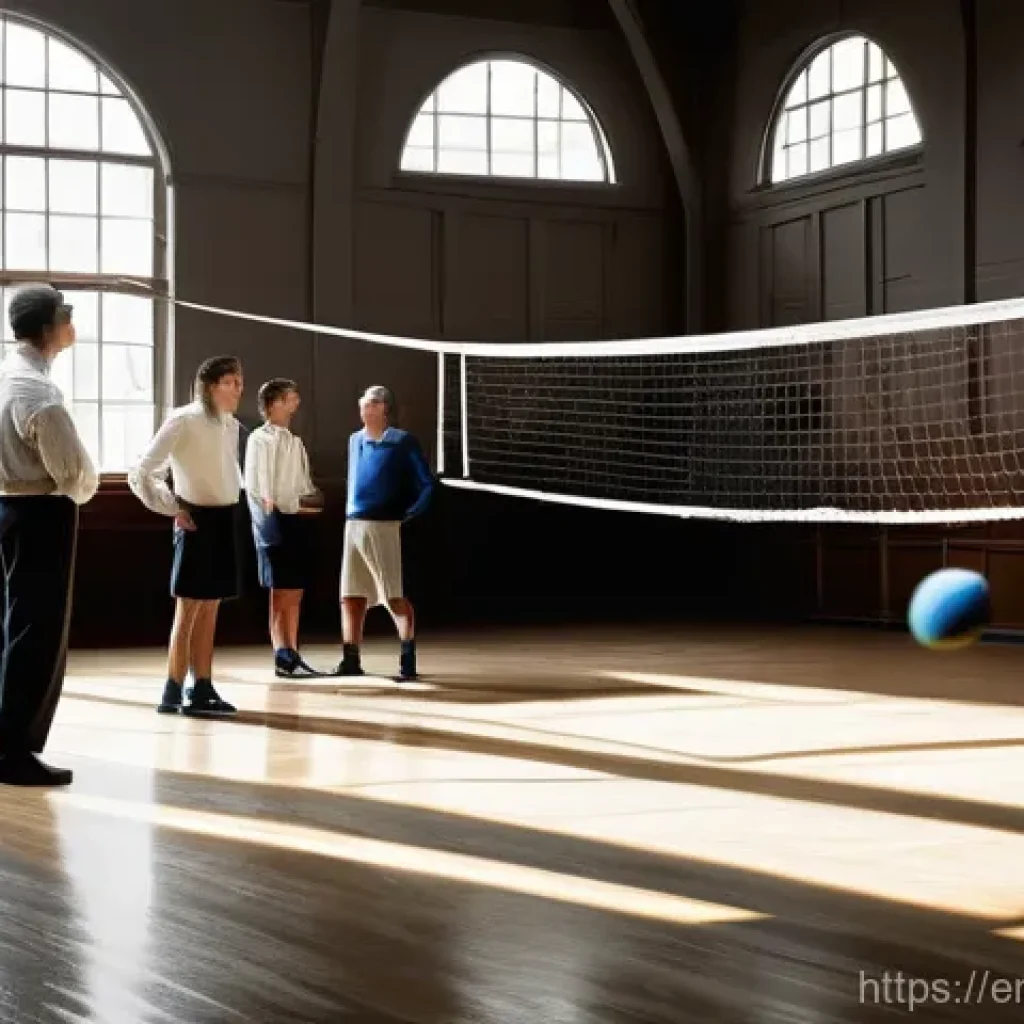
It’s always fascinating to me how some of the biggest things start from the simplest ideas, isn’t it? Picture this: it’s the late 19th century, basketball is catching fire, but not everyone is cut out for its intense physicality. Enter William G. Morgan, a YMCA physical education director in Holyoke, Massachusetts, who just wanted to create a game that was a little gentler on the body but still required skill and strategy. He essentially mixed elements from tennis, basketball, handball, and baseball, and lo and behold, Mintonette was born! I can almost hear the squeak of sneakers on the gym floor as players first tried to bat a deflated basketball bladder over a tennis net. It wasn’t about power back then; it was about keeping the ball in play, a true testament to ingenuity. When I first learned about its origins, I was genuinely surprised by how organic its creation was, proving that sometimes the best inventions come from solving an everyday problem. It’s truly amazing how a casual alternative evolved into the dynamic sport we adore today, captivating audiences and inspiring athletes across generations.
The Spark of Innovation at the YMCA
The YMCA movement played such a pivotal role in the proliferation of sports like basketball and, of course, volleyball. Morgan’s vision wasn’t just about fun; it was about holistic development, providing activities that could be enjoyed by a broader range of people, regardless of age or athletic prowess. He really nailed it by crafting a game that minimized direct physical contact while maximizing teamwork and coordination. It’s a genius concept when you think about it – offering an engaging, yet less strenuous option for those who found basketball a bit too aggressive. This foundation of accessibility and enjoyment is, I believe, one of the core reasons volleyball has resonated with so many people globally. It truly speaks to the idea that sports can be for everyone, creating communities and fostering healthy competition without the bruising impact often associated with other popular team games.
Early Rules and the Name Change
Initially, Mintonette’s rules were pretty fluid, relying heavily on the spirit of the game rather than strict regulations. Imagine, no limits on the number of players or contacts! It was more of a free-for-all, focused on keeping that ball airborne. It wasn’t long before a keen observer, Alfred Halstead, noted the volleys occurring during play and suggested the more fitting name: “Volley Ball.” This simple change in nomenclature really solidified its identity and helped it spread more easily. The transition from a loosely structured pastime to a recognized sport with established guidelines marked a crucial turning point. I can only imagine the conversations that led to these early rule refinements, trying to balance the fun, free-flowing nature with the need for competitive fairness. It’s a reminder that even the most beloved games evolve over time, adapting to the players and the growing desire for organized competition.
From Local Courts to Global Stages: Volleyball’s Incredible Journey
What started in a small Massachusetts gym quickly began to traverse borders, taking root in countries far and wide. It’s incredible to think about how a sport can catch fire, isn’t it? For me, watching volleyball grow from those early YMCAs to becoming an Olympic sport has been a masterclass in cultural exchange and shared passion. Missionaries, soldiers, and enthusiastic travelers became accidental ambassadors, introducing the game wherever they went. It wasn’t long before you’d find a net strung up in military camps, schoolyards, and community centers across Asia, Europe, and Latin America. This organic spread, fueled by word-of-mouth and the sheer enjoyment of playing, is what truly sets volleyball apart. It wasn’t a top-down mandate; it was a grassroots movement, player by player, country by country, all falling in love with the rhythmic dance of the ball over the net. I often reflect on how something so simple can connect people across vastly different cultures, and volleyball definitely hits that mark.
The Asian Influence: A Cradle of Development
Asia, particularly the Philippines, played a huge role in shaping the game we know today. Think about it: the “Filipino bomb” (a powerful spike) emerged from this region, demonstrating an early emphasis on offensive strategy. This innovative spirit led to more aggressive play and sophisticated tactics, transforming the game from a gentle pastime into a more competitive spectacle. I’ve always been fascinated by how different cultures interpret and refine sports, and Asia’s contribution to volleyball is a prime example. Their passion for the game led to not just new techniques but also helped solidify some of the core rules that eventually became standard. It’s a testament to how local adaptations can lead to global revolutions in sports, showing the rest of the world what’s possible when you combine skill with daring innovation. This period was truly instrumental in raising the bar for competitive volleyball.
Olympic Dreams Realized: A Global Showcase
The ultimate stamp of approval for any sport is, of course, inclusion in the Olympic Games. For volleyball, that moment came in 1964 at the Tokyo Olympics, a monumental achievement that cemented its status as a truly international sport. I can only imagine the excitement among players and fans when they heard the news! It meant global recognition, increased funding, and a platform for athletes to showcase their incredible talents on the world’s biggest stage. This Olympic inclusion not only boosted its popularity but also standardized rules globally, making it a more cohesive and universally understood game. Seeing the best teams from around the globe battle it out for gold medals is always a highlight for me, reinforcing the unifying power of sport. It’s truly a journey from a small gym to an international spectacle, inspiring millions.
The Evolution of Play: Rules, Tactics, and the Modern Game
If you’ve followed volleyball for any length of time, you know it’s a sport that never stands still. The rules, the tactics, the very way we play – it’s all constantly evolving. When I think back to grainy footage of early matches, it’s almost unrecognizable compared to the explosive, athletic displays we see today. The introduction of the three-hit rule, the transition to rally scoring, and the designated libero position have all been game-changers. These aren’t just minor tweaks; they’re fundamental shifts that have made the game faster, more dynamic, and incredibly exciting for both players and spectators. It’s like watching a living organism adapt and thrive, always seeking ways to be more efficient, more powerful, and more entertaining. For me, these evolutions highlight the sport’s resilience and its commitment to constant improvement, ensuring it remains relevant and thrilling for generations to come. It truly shows how listening to players and fans can shape a game for the better.
Key Rule Changes That Transformed the Game
Let’s talk about some of those pivotal rule changes. The shift from side-out scoring to rally scoring in the late 1990s was monumental. Suddenly, every single rally mattered, injecting an incredible level of urgency and excitement into every point. No more grinding through long, uneventful side-out sequences; now, every serve, every pass, every hit could be the deciding factor. Then came the libero, a defensive specialist allowed to substitute freely in the back row without counting against the team’s rotation limits. This addition revolutionized back-row play, allowing for incredible digs and passes that keep rallies alive. I remember thinking how genius that was, allowing smaller, agile players to truly shine defensively without the pressure of attacking. These changes, among others, really sped up the game and made it much more appealing for TV audiences, helping to draw in a whole new generation of fans who crave fast-paced action and dramatic finishes.
Tactical Innovations: Beyond the Basic Spike
Modern volleyball is a chess match of strategy and athleticism. It’s not just about hitting the ball hard anymore; it’s about deceptive sets, quick attacks, intricate blocking schemes, and incredible defensive maneuvers. The development of advanced offensive plays like combination sets (think quick attacks with a back-row attack simultaneously) or deceptive tips really showcases the tactical depth. On the defensive side, coordinated blocking strategies, where players anticipate the hitter’s tendencies and close off angles, are crucial. I’ve spent hours analyzing how top teams execute these plays, and it’s truly a marvel of synchronized effort and individual brilliance. The specialized roles, from the pinpoint setting of a setter to the thunderous attacks of an outside hitter, demand both incredible skill and an understanding of the overall team strategy. This constant push for innovation means that coaches and players are always looking for that next edge, that new way to outsmart and outmaneuver their opponents.
Volleyball’s Unifying Power: Community, Culture, and Inclusivity
One of the things I absolutely adore about volleyball is its incredible ability to bring people together. Seriously, whether it’s a casual beach game, a fiercely competitive club league, or cheering on your favorite national team, there’s a unique sense of camaraderie that permeates the sport. It’s more than just a game; it’s a community. From the moment I stepped onto a court, I felt a connection with fellow players, a shared passion for the rhythm of the game. It transcends age, gender, and background, creating spaces where everyone can participate and feel a part of something special. This inclusivity is a cornerstone of its growing popularity, making it a welcoming environment for athletes from all walks of life. I’ve seen friendships forged over shared victories and comforting words exchanged after tough losses, all within the spirit of the game. It’s this human element, this sense of belonging, that truly makes volleyball shine in my eyes.
Beach Volleyball: A Cultural Phenomenon
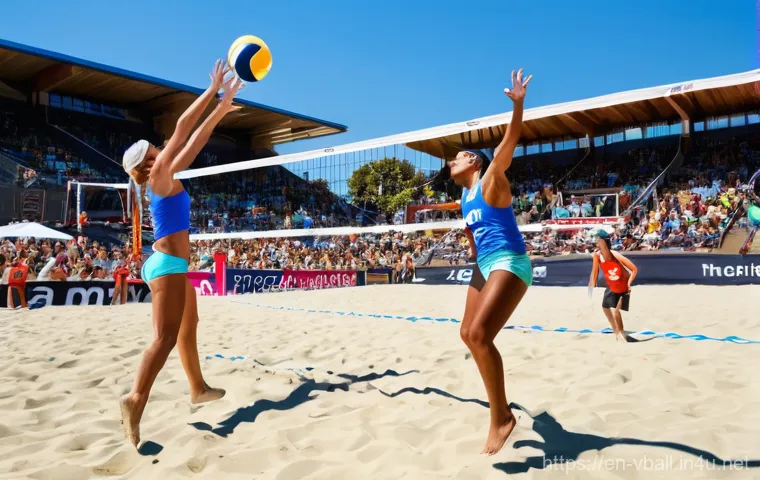
You can’t talk about volleyball’s cultural impact without mentioning beach volleyball. It’s more than just a variation; it’s a lifestyle! Think sun, sand, incredible athleticism, and that unmistakable party atmosphere. Beach volleyball exploded in popularity, especially in places like California and Brazil, before becoming an Olympic sport in Atlanta in 1996. The dynamic duo format requires incredible versatility from each player, demanding both offensive firepower and defensive grit. For me, there’s nothing quite like watching two players dominate a massive court with their synergy and skill, truly a testament to individual talent and partnership. It really captured the imagination of the public, blending the competitive spirit of indoor volleyball with a relaxed, vibrant culture. This unique blend has made it a global sensation, attracting fans who might not typically follow indoor sports but are drawn to the energy and spectacle of the beach game.
Volleyball in Education and Youth Development
Volleyball also plays a massive role in youth development and educational programs, particularly in the United States. High schools and colleges across the country have thriving volleyball programs, offering young athletes a chance to develop skills, teamwork, and leadership qualities. I’ve personally seen how participating in school volleyball can build confidence and discipline, teaching kids invaluable lessons both on and off the court. It’s not just about winning; it’s about learning perseverance, strategic thinking, and effective communication with teammates. The strong collegiate scene, with teams consistently drawing huge crowds and receiving significant media attention, acts as a powerful pipeline for future talent and keeps the sport vibrant at all levels. This foundational support in educational institutions ensures a steady stream of passionate players and fans, guaranteeing volleyball’s continued growth and impact for decades to come.
Tech’s Touchdown: How Innovation is Reshaping Volleyball
Just when you think you know a sport, technology swoops in and completely changes the game. And volleyball is no exception! I mean, who would’ve thought we’d be talking about virtual reality training or smart equipment for a game that started with a deflated basketball? Yet here we are, witnessing incredible advancements that are making the sport more efficient, safer, and even more engaging for fans. From advanced analytics that break down every single play to cutting-edge materials in shoes and kneepads, technology is truly pushing the boundaries of what’s possible on the court. It’s a thrill to see how coaches can now use data to refine strategies, how players can hone their skills with unprecedented precision, and how fans can experience the game in ways that were unimaginable just a few years ago. For me, this fusion of athleticism and innovation is what makes modern volleyball so incredibly exciting and sets the stage for its future.
Advanced Analytics and Performance Tracking
In today’s high-stakes world of professional volleyball, data is king. Coaches and players now have access to incredibly detailed analytics that track everything from serve speed and hitting efficiency to blocking percentages and passing accuracy. Specialized cameras and sensors capture every movement, providing invaluable insights that help teams identify strengths, pinpoint weaknesses, and develop targeted training programs. I’ve always been fascinated by how sports science can unlock hidden potential, and volleyball’s embrace of analytics is a prime example. This isn’t just about numbers; it’s about gaining a competitive edge, understanding player tendencies, and making data-driven decisions that can mean the difference between winning and losing. It’s like having a superpower that allows you to see the game in slow motion, analyzing every micro-movement to optimize performance and strategy.
Smart Equipment and Fan Engagement
Beyond the professional arena, technology is also making its way into equipment and fan experiences. Imagine volleyballs with embedded sensors that can give real-time feedback on spin, speed, and trajectory – perfect for improving your serve! And for fans, virtual reality and augmented reality are starting to offer immersive viewing experiences that put you right in the middle of the action, whether it’s a bird’s-eye view or even a player’s perspective. I’ve tried some of these VR experiences, and let me tell you, it’s a whole new level of engagement. These innovations aren’t just gadgets; they’re tools that enhance both the playing and viewing experience, drawing more people into the sport. They’re making volleyball more interactive and accessible, ensuring that its appeal continues to grow in our increasingly digital world. This is where the future truly lies, merging the physical thrill with digital immersion.
The Future’s Net: What’s Next for Our Beloved Sport?
So, where is volleyball headed? If you ask me, the future looks incredibly bright, almost blindingly so! We’re talking about a sport that consistently breaks attendance records, captivates millions of viewers, and continues to expand its global footprint. The trajectory of volleyball’s popularity and market value is just astounding, with projections showing it becoming an even bigger player in the global sports economy. I personally believe we’re just scratching the surface of its potential. With continuous innovation in technology, a growing youth movement, and an ever-expanding fan base, volleyball is poised for an unprecedented era of growth. It’s a sport that embodies teamwork, athleticism, and sheer exhilaration, and these qualities are universal. As someone who’s seen the game evolve, I’m genuinely excited to witness the next chapters unfold, knowing that volleyball will continue to inspire and unite people across the globe. The best, I truly believe, is yet to come!
Expanding Horizons: New Markets and Formats
One of the most exciting aspects of volleyball’s future is its potential for expansion into new markets and the development of fresh, engaging formats. We’re already seeing variations like snow volleyball gaining traction, and I wouldn’t be surprised to see even more creative adaptations pop up. The sport’s adaptability makes it ripe for innovation, appealing to different environments and preferences. Beyond that, there’s a concerted effort to reach underserved communities and bring the joy of volleyball to more diverse populations around the world. Imagine more community programs, more accessible courts, and targeted initiatives to introduce the sport to new demographics. This focus on broadening its appeal ensures that volleyball isn’t just about elite competition but also about recreational enjoyment and healthy lifestyles for everyone. It’s all about casting a wider net, both literally and figuratively, to embrace an even larger global family of players and fans.
Sustainability and Social Impact in Volleyball
As volleyball continues its ascent, there’s also a growing awareness of its role in promoting sustainability and positive social impact. Organizations and teams are increasingly focusing on eco-friendly practices, from reducing waste at tournaments to promoting sustainable travel for athletes. Beyond environmental concerns, volleyball is also a powerful tool for social change, fostering gender equality (especially with its strong presence in women’s sports), promoting healthy living, and building strong communities. I find it incredibly inspiring when sports leverage their platform for good, and volleyball has a fantastic track record in this area. It’s not just about the game; it’s about the values it instills and the positive influence it can have on society. This dual focus on athletic excellence and social responsibility truly elevates volleyball beyond just entertainment, making it a force for good in the world.
| Era | Key Development / Innovation | Impact on the Game |
|---|---|---|
| 1895 | Invention of “Mintonette” by William G. Morgan | Created a less strenuous, indoor alternative to basketball. |
| Early 1900s | Name changed to “Volley Ball”; First international spread | Standardized identity; Began global expansion via YMCAs and military. |
| 1920s-1940s | Introduction of the three-hit rule and offensive spikes (e.g., “Filipino bomb”) | Increased strategic play and offensive power; Made the game faster. |
| 1947 | Founding of FIVB (Fédération Internationale de Volleyball) | Standardized rules globally; Promoted international competitions. |
| 1964 | Volleyball becomes an Olympic sport in Tokyo | Achieved global recognition and platform; Boosted popularity and funding. |
| 1990s | Introduction of Rally Scoring and the Libero position | Significantly sped up the game; Enhanced defensive play and spectator appeal. |
| 2000s-Present | Advanced analytics, smart equipment, VR training, beach volleyball prominence | Optimized player performance; Enhanced fan engagement; Expanded sport’s reach. |
The Business of Bumps, Sets, and Spikes: Volleyball’s Economic Drive
It’s easy to get caught up in the athletic spectacle of volleyball, but let’s not forget the incredible economic engine powering its growth. We’re talking about a multi-billion dollar industry that includes everything from equipment sales and media rights to event tourism and sponsorships. I mean, think about it: every time a team signs a new jersey sponsor, or a major tournament gets a prime-time TV slot, that’s the business side of volleyball flexing its muscles. This economic growth isn’t just about big corporations; it trickles down to local clubs, coaches, and even small businesses that supply gear or host viewing parties. For me, it’s a testament to the sport’s inherent value, proving that passion and performance can translate into significant financial success. The growing investment, particularly in women’s professional leagues and youth development, shows a clear confidence in volleyball’s future market potential. It’s a fantastic cycle: more investment leads to better talent and more exciting events, which in turn attracts even more fans and money.
Media Rights and Sponsorships: Fueling the Growth
The skyrocketing value of media rights and corporate sponsorships is a huge indicator of volleyball’s economic power. Broadcasters are paying big bucks to air major tournaments, knowing that millions of eyes are tuning in. And sponsors, from athletic apparel brands to major consumer goods companies, are lining up to associate themselves with the sport’s dynamic image and global appeal. I remember seeing a huge brand name plastered across a net during a championship game and thinking, “Wow, volleyball has really arrived!” This influx of capital allows federations and teams to invest in better training facilities, higher athlete salaries, and more sophisticated marketing, creating a virtuous cycle of growth. It’s a clear signal that the world recognizes the immense value and reach of volleyball, transforming it into not just a game, but a truly lucrative entertainment product with a global footprint.
Fan Engagement and Merchandise: The Passion Economy
Beyond the big-money deals, the sheer enthusiasm of the fans fuels a significant “passion economy” around volleyball. Think about all the jerseys, team merchandise, and custom gear that loyal supporters buy to show their pride. And it’s not just about buying stuff; it’s about traveling to watch live matches, subscribing to streaming services, and participating in fantasy leagues. I’ve definitely splurged on my favorite team’s hoodie more times than I care to admit! This direct fan engagement creates a robust market that contributes directly to the sport’s financial health. It demonstrates that the emotional connection fans have with volleyball translates into tangible economic support, proving that true passion has a powerful ripple effect. This organic, grassroots economic activity, driven by the love of the game, is perhaps the most authentic indicator of volleyball’s enduring and growing appeal.
Beyond the Baseline: The Personal Impact of Volleyball
As much as I love talking about the history, the rules, and the economics, for me, volleyball always comes back to the personal impact it has. It’s more than just points and sets; it’s about the lessons learned, the friendships forged, and the incredible feeling of being part of a team. I can still vividly recall the exhilaration of a perfect block, the frustration of a missed serve, and the collective roar of triumph after winning a tough match. These aren’t just moments; they’re memories etched in my mind, shaping who I am. The discipline, resilience, and communication skills I’ve developed through playing have been invaluable in every aspect of my life. It’s truly a sport that teaches you about perseverance, about trusting your teammates, and about picking yourself up after a setback. For anyone looking for a game that offers both physical challenge and profound personal growth, volleyball is absolutely it. It’s a journey of self-discovery, wrapped in the thrilling package of competition.
Building Character and Resilience
Volleyball has this incredible way of building character, doesn’t it? You learn pretty quickly that not every hit will be a kill, and not every serve will be an ace. There are going to be errors, miscommunications, and tough losses. But it’s in those moments of adversity that you truly grow. You learn to shake off a mistake, to encourage your teammates, and to push through when you’re exhausted. I remember a particularly grueling five-set match where we were down by a huge margin, but we rallied, point by point, never giving up. We didn’t win that game, but the resilience we showed, the refusal to quit, taught me more than any victory ever could. This mental toughness, this ability to stay positive and focused under pressure, is a life skill that extends far beyond the court. Volleyball really instills that grit, that determination to keep fighting, no matter the odds.
The Power of Teamwork and Communication
If there’s one sport that truly epitomizes teamwork, it’s volleyball. Every single play requires seamless coordination and crystal-clear communication. From the setter anticipating the hitter’s needs to the libero calling out tips, every player has a crucial role, and it all has to happen in a split second. There’s no room for individual heroics at the expense of the team; it’s all about collective effort. I’ve found that this constant need for collaboration fosters incredibly strong bonds between teammates. You learn to trust each other implicitly, to anticipate movements, and to celebrate each other’s successes. It’s a beautiful dance of synchronized effort, where the whole truly becomes greater than the sum of its parts. This emphasis on working together, on understanding and supporting each other, is one of the most valuable lessons volleyball has taught me, skills that I carry into every aspect of my life.
글을 마치며
It’s been an absolute blast taking this deep dive into the incredible world of volleyball with all of you! From its humble beginnings as “Mintonette” in a Massachusetts YMCA to the global powerhouse it is today, uniting millions across continents, this sport truly tells a story of innovation, passion, and community.
I’m honestly so proud to be part of a community that celebrates such a dynamic and inclusive game. Seeing how it continues to evolve with technology and embrace new generations just fills me with excitement for what’s next.
It’s clear to me that volleyball isn’t just surviving; it’s thriving, constantly finding new ways to connect us and inspire greatness on and off the court.
알아두면 쓸모 있는 정보
1. Getting started in volleyball as an adult is incredibly accessible and rewarding! You don’t need to have played your whole life to join in the fun. Many communities, like Philadelphia, offer recreational leagues, open gym sessions, and beginner-friendly clinics that welcome players of all skill levels, whether you’re signing up solo or with friends. Starting in beach volleyball can even be a little gentler on your joints as you learn the ropes. Remember to grab some good court shoes, watch a few YouTube videos for basic techniques, and just focus on enjoying the game and connecting with fellow players!
2. The health benefits of playing volleyball are truly impressive, touching both your physical and mental well-being. Physically, it’s a fantastic full-body workout that strengthens muscles, boosts cardiovascular health, enhances coordination, and improves agility and flexibility. Mentally, it’s a brilliant stress-buster, helping to reduce anxiety and improve focus and concentration through strategic thinking and quick decision-making. Plus, the social aspect fosters strong bonds and a sense of belonging, which is a huge mood booster!
3. Women’s professional volleyball in the U.S. is absolutely exploding right now, and it’s genuinely thrilling to watch! New leagues like the Pro Volleyball Federation (PVF) and League One Volleyball (LOVB) are gaining significant traction, attracting top-tier athletes and substantial investment. This surge in popularity is leading to increased media coverage and record-breaking attendance at collegiate championships, like the nearly 92,000 fans who packed Memorial Stadium for a Nebraska women’s game. This means more opportunities for incredible athletes and more thrilling matches for us fans!
4. Youth participation in volleyball across the United States is experiencing an unprecedented boom, making it one of the fastest-growing sports for young people. It’s now the number one girls’ team participatory sport in both high school and college, and boys’ high school volleyball has seen an astonishing 40% increase in participation since 2017. This growth is fantastic for developing important life skills like teamwork, communication, and resilience, while also promoting physical fitness and healthy habits from a young age.
5. Fan engagement in volleyball is getting a serious tech upgrade, making the sport more immersive and exciting than ever! We’re seeing innovations like specialized apps providing real-time scores and exclusive content, and social media platforms are buzzing with interactive polls and Q&As, fostering a deeper connection between fans and their favorite teams and athletes. Even outdoor stadium events, inspired by record-breaking collegiate matches, are being replicated at the high school level to create massive community celebrations, truly bringing the game closer to home.
중요 사항 정리
Volleyball has truly evolved from its humble beginnings in 1895 into a globally recognized and economically significant sport. We’ve witnessed its incredible spread through various cultural adaptations, its rise to Olympic status, and the continuous evolution of its rules and tactics, all contributing to a faster, more exciting game.
Technology is now playing a crucial role, enhancing everything from player training with advanced analytics to fan engagement through immersive digital experiences.
This dynamic sport fosters strong communities, develops vital life skills, and is experiencing a remarkable boom in youth and professional leagues, promising an even brighter future filled with continued growth, innovation, and unwavering passion.
Frequently Asked Questions (FAQ) 📖
Q: What exactly sparked the invention of volleyball, and who was behind it?
A: This is such a cool piece of sports history! You know, it all started back in 1895, right here in the U.S. in Holyoke, Massachusetts.
The brilliant mind behind it was William G. Morgan, who was the Director of Physical Education at the local YMCA. He was looking for something a bit different, a less intense option than basketball for the older, perhaps less robust, members of his community to stay active and have fun.
He actually combined bits and pieces from a few different sports that were popular at the time – think tennis for the net idea, handball for using hands, and even some elements from baseball and basketball.
He originally called his creation “Mintonette,” which I think has a charming old-school ring to it, don’t you? It wasn’t until a demonstration game that someone noticed how the players were constantly “volleying” the ball back and forth, and the name “volleyball” just stuck!
It’s incredible to think that a simple desire for a less strenuous game evolved into the global spectacle we see today.
Q: How has volleyball’s popularity surged, especially among youth and women in the U.S., and what’s driving this growth?
A: Oh my goodness, if you’ve been paying attention, you’ve probably noticed it too – volleyball’s popularity is absolutely skyrocketing! I’ve personally seen it firsthand, from local school gyms buzzing with energy to massive college arenas selling out.
In the U.S., it’s become a powerhouse, particularly among young girls and women. Just last year, in 2023, over 333,000 junior girls registered with USA Volleyball clubs, which was a whopping 9.2% increase and the highest growth in over two decades!
And get this, volleyball has even surpassed other team sports in high school girls’ participation, making it the leading team sport for them. What’s really fueling this fire?
Well, there are a few things at play. First, the sport itself is just incredibly engaging – it’s fast-paced, requires amazing teamwork, and lets athletes show incredible athleticism without the constant physical contact of some other sports.
A four-time Olympian, Jordan Larson, once said she preferred volleyball over basketball because she could avoid elbows but still show assertiveness and leadership with “a layer of elegance.” Also, the success of the U.S.
Women’s National Team on the international stage, consistently medaling in the Olympics (including gold in 2020!), has been a huge inspiration for countless aspiring players.
Plus, the exposure college volleyball is getting on TV and social media is just unprecedented. Remember that record-breaking attendance of over 92,000 fans at a Nebraska vs.
Omaha match in 2023? That was a watershed moment, showing the world the immense passion for women’s volleyball! It’s truly a fantastic time to be a fan or a player!
Q: What exciting technological advancements are on the horizon for volleyball, and how will they change the game for players and fans alike?
A: This is where things get super futuristic and exciting! The sport of volleyball is embracing technology in ways that are truly revolutionizing how we play, train, and even enjoy the game as spectators.
I’m personally fascinated by the possibilities here! We’re already seeing incredible strides in areas like virtual reality (VR) training. Imagine putting on a VR headset and being able to practice specific game scenarios, refine your decision-making, and improve your reaction time in a totally immersive, controlled environment, all without even stepping onto a physical court.
This could be a game-changer for skill development and injury prevention. Beyond VR, smart equipment is making waves. We’re talking about volleyballs embedded with motion sensors that can track things like spike speed, spin, and accuracy, giving players and coaches instant, actionable data to refine techniques.
Wearable tech, like smart wristbands or specialized clothing, can monitor a player’s heart rate, jump height, and exertion levels in real-time, helping optimize performance and prevent overtraining.
Even AI is stepping onto the court, analyzing game data to help coaches develop smarter strategies and identify opponent tendencies that humans might miss.
This digital integration is not only enhancing player performance and safety but also creating more dynamic online communities and making the sport more engaging for fans.
The volleyball equipment market alone is projected to reach billions in the coming years, driven by these innovations. It’s an exhilarating time to be involved with volleyball, and I can’t wait to see how these advancements continue to push the boundaries of the sport!