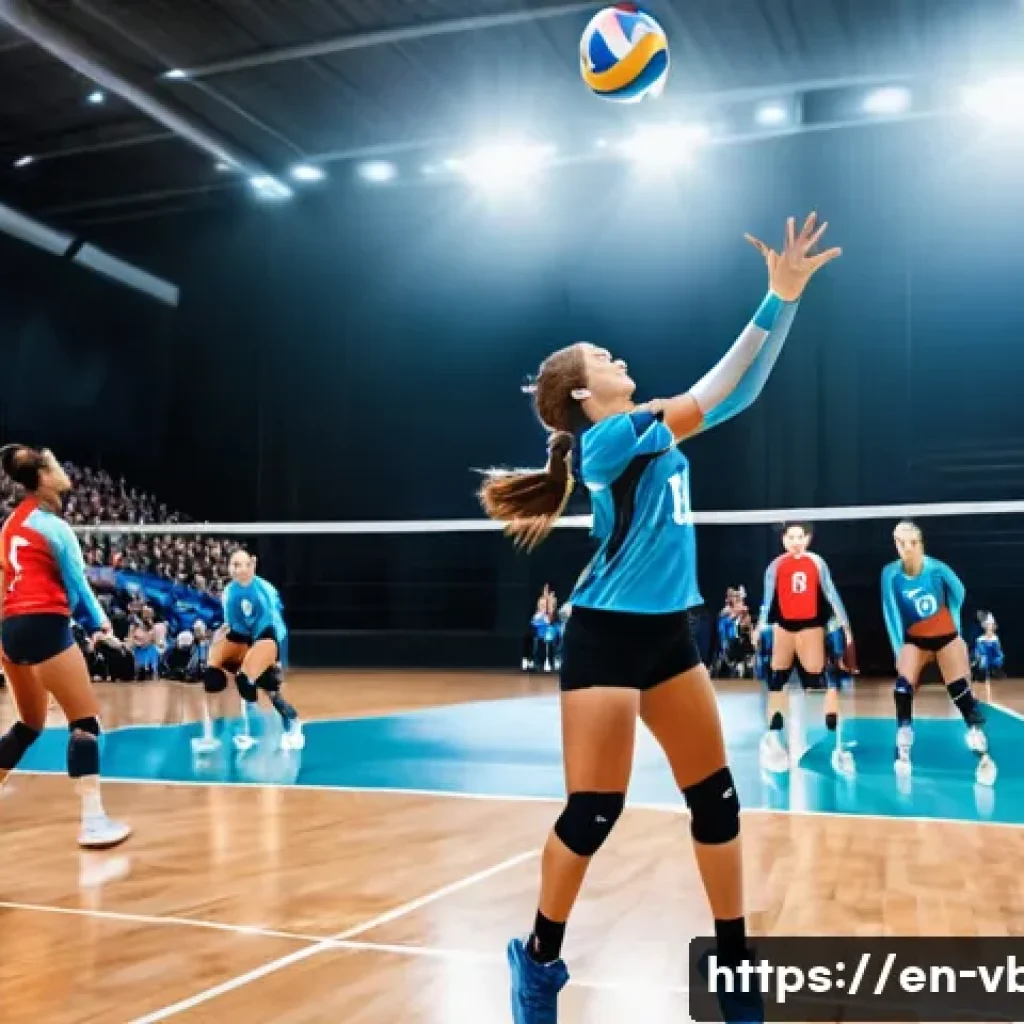
Volleyball is a fast-paced sport that combines teamwork, strategy, and athleticism in every match. Understanding the key points of the game can really enhance your appreciation, whether you’re a player or a fan.

From serving techniques to defensive positioning, each element plays a crucial role in securing victory. The dynamics on the court are constantly shifting, making every rally exciting and unpredictable.
If you’ve ever wondered what separates a good team from a great one, diving into these essentials will clear things up. Let’s explore the core aspects of volleyball in detail below!
Mastering the Art of the Serve
Finding Your Serving Style
Serving is the very first opportunity to put pressure on your opponents, and it’s surprisingly nuanced. When I first started playing, I thought any serve would do, but as I practiced, I realized that the way you serve can totally change the flow of the game.
There are several serving styles—from the traditional underhand serve to the more aggressive jump serve—that each have their own advantages. The jump serve, for example, is powerful and can catch the opposing team off guard, but it requires timing and athleticism.
On the other hand, a well-placed float serve can be just as effective by making the ball’s trajectory unpredictable, forcing the receiver into a tough pass.
Experimenting with these styles in practice helped me discover what fits my strengths best and keeps the opponents guessing.
Targeting Weaknesses on the Opponent’s Side
One of the biggest game-changers in serving is targeting specific players or zones that are less confident or skilled in passing. During matches, I noticed how some players struggle with receiving serves on their weaker side or when the ball has a tricky spin.
By aiming serves strategically, you can disrupt the opponent’s offensive setup right from the start of the rally. Watching professional games, you’ll often see servers deliberately serve to the weaker passer or right at the seams between players to cause confusion.
This tactic creates an opportunity for your team to take control early. It’s not just about power; placement and precision matter just as much.
Consistency Over Power
While it’s tempting to serve with all your might every time, consistency often trumps sheer power. I’ve learned that a strong serve that frequently goes out or gets easily returned doesn’t help much.
Instead, practicing a consistent serve that lands inside the court and challenges the receiver is far more effective. Coaches often emphasize the importance of a high first-serve percentage, and I can attest that having a reliable serve builds your team’s confidence and momentum.
Over time, this consistency leads to fewer service errors and keeps your team in the driver’s seat throughout the match.
Decoding Defensive Tactics on the Court
Positioning: The Backbone of Defense
Defense in volleyball isn’t just about reacting to the ball; it’s about anticipating and positioning yourself perfectly to minimize the opponent’s scoring chances.
I used to think that just being quick was enough, but positioning is key. Defensive players must read the hitter’s body language and the setter’s cues to predict where the ball will go.
This anticipation allows them to move efficiently rather than chasing the ball after it’s hit. For example, defenders often adjust their stance and depth based on the hitter’s approach angle.
This subtle but critical adjustment can mean the difference between a dig and a point for the other team.
Communication: The Silent Game Changer
One thing that stands out in well-coordinated defenses is seamless communication. On the court, players constantly call out information—whether it’s the type of hit coming, who’s covering which area, or when to switch positions.
From personal experience, when my team communicates effectively, our defensive coverage becomes almost impenetrable. It reduces confusion and prevents players from leaving gaps.
Even casual shouts like “mine,” “yours,” or “switch” can save crucial points. Without clear communication, defenders risk collisions or missed coverage, which the opposing team will exploit mercilessly.
Reading the Opponent’s Offense
A huge part of defense is actually understanding the offensive strategy your opponents are using. For instance, if a team frequently uses quick sets to the middle hitter, defenders can anticipate and adjust their positioning accordingly.
I recall matches where recognizing a setter’s favorite patterns helped me prepare for the spike ahead of time. Experienced defenders learn to watch the setter’s hand position, the hitter’s approach, and even subtle shifts in formation to predict the next move.
This level of game sense is what separates solid defenders from elite ones and often leads to those spectacular diving digs you see highlight reels.
Unlocking the Power of Team Chemistry
Trust and Roles Within the Team
Volleyball is the ultimate team sport where every player’s role complements the others. One of the most memorable lessons I’ve learned is how trust among teammates impacts performance.
When each player knows their role—be it setter, libero, or outside hitter—and trusts others to fulfill theirs, the whole unit functions more smoothly.
In a chaotic rally, this trust allows players to focus on their responsibilities without second-guessing what their teammates will do. This cohesion is built over time through practice and shared experience, making teamwork more instinctual during high-pressure moments.
Building Momentum Through Positive Energy
Energy on the court is contagious. I’ve noticed that teams who maintain a positive vibe and encourage each other tend to sustain longer runs of good play.
Simple acts like high-fives, cheers after a great dig, or supportive words after an error can elevate morale and keep everyone motivated. This emotional boost often translates into better focus and sharper execution.
It’s easy to get frustrated during a tough match, but teams that channel their energy positively tend to bounce back faster and outlast opponents mentally.
Practicing Together, Growing Together
Regular practice sessions are more than just physical training; they’re where team chemistry is forged. I found that the more time we spent working on drills, scrimmages, and strategy discussions, the better our on-court communication and anticipation became.
These sessions build an intuitive understanding of each other’s playing style and tendencies, which pays off during matches. Teams that invest in consistent group practice develop a rhythm and synergy that can’t be replicated by individual skill alone.
This collective growth is what creates those “wow” moments where the team plays as a single, unstoppable unit.
Strategies to Control the Pace of the Game
Using Timeouts and Substitutions Wisely
Managing the flow of a volleyball match is an art in itself, and timeouts or substitutions are powerful tools for this. I’ve seen how calling a timeout at the right moment can halt an opponent’s momentum and give your team a breather to regroup.
Similarly, bringing in fresh players or specialists can shift the dynamics, especially if the current lineup is struggling. Learning when to use these tactics requires situational awareness and sometimes gutsy decision-making from the coach and captain.
It’s a skill that often goes unnoticed but can dramatically influence the outcome.
Mixing Up Offensive Tempo
Controlling the speed of your attacks keeps the opponent guessing. Sometimes, a fast-paced offense with quick sets and rapid spikes can overwhelm the defense.
Other times, slowing down the play with longer rallies and strategic ball placement can disrupt their rhythm. I recall matches where switching between these tempos confused the opposing blockers and created openings.
This variation in pace requires coordination between the setter and hitters and a solid understanding of your team’s strengths. Mastering this balance is key to keeping your offense unpredictable and effective.
Maintaining Mental Focus Under Pressure
Pace control isn’t just physical; it’s also about mental resilience. In tight matches, staying calm and composed lets you execute plays cleanly and avoid unforced errors.
Personally, I’ve found that deep breaths and focusing on one play at a time help maintain this mental edge. Teams that lose their cool tend to rush or hesitate, giving the advantage to the other side.

Developing mental toughness is often overlooked but essential for controlling the game’s tempo and handling pressure moments with confidence.
Key Skills Breakdown and Their Impact
The Role of Passing Precision
Passing is often called the foundation of volleyball because it sets up every offensive play. A good pass allows the setter to distribute the ball effectively, creating scoring opportunities.
I remember early on how inconsistent passing made our offense sluggish and predictable. Improving passing precision through drills and focused practice changed the whole dynamic for us.
It’s not just about getting the ball over the net; it’s about delivering it with accuracy and control to the setter’s preferred spot.
Setting: The Team’s Playmaker
The setter is like the quarterback, orchestrating the offense and making split-second decisions. Watching great setters, I’ve noticed their quick decision-making and ability to disguise their sets to confuse blockers.
A setter’s technique—such as hand positioning and footwork—directly affects the quality of each set. Through experience, I learned that setters who communicate well and read the defense can exploit gaps and create better scoring chances.
The setter’s influence on the game is massive and often underappreciated.
Attacking: Timing and Placement
Hitting isn’t just about power; timing and placement make the difference between a point and a block. I’ve played with hitters who could spike hard but lacked control, resulting in many errors.
The best attackers I’ve seen time their jumps perfectly and aim for weak spots in the defense, such as open seams or out-of-position blockers. Practicing hitting angles, shot variety, and approach timing helped me become a more effective attacker.
Combining these elements makes your offense versatile and harder to defend.
| Skill | Key Focus | Impact on Game | Practice Tips |
|---|---|---|---|
| Serving | Power, Placement, Consistency | Starts rally with pressure; disrupts opponent’s offense | Experiment with styles; focus on accuracy; target weak zones |
| Passing | Accuracy, Control | Sets up offense; enables effective setting | Drills for platform control; communication with setter |
| Setting | Decision-making, Hand technique | Orchestrates offense; creates scoring opportunities | Practice footwork; learn to read defense; vary sets |
| Attacking | Timing, Placement | Scores points; breaks through blocks | Work on approach timing; practice hitting angles |
| Defense | Positioning, Anticipation, Communication | Prevents opponent scoring; initiates counterattack | Read hitters; communicate; maintain stance and focus |
Adapting to Different Playing Surfaces and Environments
Indoor vs Outdoor Volleyball Dynamics
Playing indoors versus outdoors requires adjusting your technique and strategy. Indoor courts have consistent surfaces and controlled environments, which allow for faster play and more precise ball control.
Outdoor volleyball, especially beach volleyball, adds variables like wind, sun, and uneven sand that affect ball trajectory and player movement. I remember switching between these settings and realizing how much the environment influences everything from serving to defense.
For example, jump serves indoors can be more aggressive, while outdoors, you might opt for float serves to handle the wind better.
Equipment and Apparel Considerations
Different environments call for tailored gear. Indoor volleyball players usually wear lightweight shoes designed for quick lateral movements on hard courts, while beach players need shoes with good grip for sand or often play barefoot.
Clothing also varies, with outdoor players selecting breathable, sun-protective fabrics. I’ve found that investing in the right gear not only improves comfort but also performance.
For instance, proper shoes reduce injury risk, and moisture-wicking apparel helps maintain focus during long matches.
Adjusting Strategies for Environmental Challenges
Playing in windy or bright conditions means adapting your usual tactics. Serving, setting, and hitting all require more attention to how external factors might alter the ball’s path.
I’ve learned to communicate more with teammates outdoors and stay extra alert for sudden changes in wind speed or direction. Sometimes, this means simplifying plays or using higher sets to give hitters more time to adjust.
Being flexible and prepared for these challenges is essential for success in diverse settings.
Understanding the Psychological Side of Volleyball
Handling Pressure Moments
Volleyball matches often come down to clutch points where nerves can make or break your performance. From experience, I know that managing pressure is less about eliminating nerves and more about channeling them into focus.
Techniques like visualization, deep breathing, and positive self-talk have helped me stay calm during critical serves or blocks. Teams that can maintain composure in these moments consistently outperform those who crumble under pressure.
Building Confidence Through Preparation
Confidence on the court grows with preparation and experience. Knowing your skills, practicing under game-like conditions, and learning from mistakes all build a mental edge.
I’ve noticed that confident players take more calculated risks and recover quickly from errors, which keeps the momentum on their side. Coaches who foster a supportive environment encourage players to develop this mental toughness through consistent feedback and goal-setting.
Team Dynamics and Emotional Intelligence
Emotional intelligence—understanding and managing your emotions and those of teammates—plays a huge role in volleyball success. I’ve seen how teams with strong emotional bonds handle conflicts better and support each other through ups and downs.
This creates a positive atmosphere where players feel valued and motivated. Practicing empathy, patience, and open communication strengthens these bonds and ultimately improves on-court performance.
글을 마치며
Mastering volleyball takes more than just physical skills; it’s about strategy, teamwork, and mental strength. By focusing on serving techniques, defensive tactics, and team chemistry, you set yourself up for success on the court. Remember, consistent practice and adapting to different situations are key to elevating your game. Keep pushing your limits, and enjoy every moment of this dynamic sport.
알아두면 쓸모 있는 정보
1. Serving with precision can disrupt your opponent’s rhythm more effectively than sheer power alone. Experiment with float and jump serves to find your best fit.
2. Effective communication on defense reduces errors and creates a stronger, more coordinated team effort.
3. Mental resilience during pressure moments often distinguishes winning teams from the rest. Practice visualization and breathing techniques to stay calm.
4. Adjusting your play style based on whether you’re indoors or outdoors can significantly improve your performance and comfort during matches.
5. Building trust and positive energy within your team fosters better collaboration and momentum during games.
중요 사항 정리
Understanding and refining your serving style can give you an early advantage by targeting opponents’ weaknesses. Defensive success relies heavily on positioning, anticipation, and clear communication among teammates. Team chemistry, built through trust and shared experience, directly influences performance under pressure. Managing game pace with smart timeouts and substitutions, along with maintaining mental focus, keeps your team in control. Finally, adapting to different environments and embracing the psychological aspects of the game rounds out a well-prepared volleyball player’s toolkit.
Frequently Asked Questions (FAQ) 📖
Q: What are the most important skills to develop for playing volleyball effectively?
A: To play volleyball well, focusing on a few core skills can make a huge difference. Serving is critical because it starts every rally and can put pressure on the opposing team if done well.
Passing and setting are the backbone of offense; without solid control here, it’s hard to execute attacks. Blocking and digging are essential defensive skills that keep the ball in play and frustrate opponents’ attempts to score.
From my own experience watching and playing, players who consistently master these fundamentals tend to lift the entire team’s performance and win more matches.
Q: How does teamwork influence success in volleyball matches?
A: Volleyball is truly a team sport where communication and trust are everything. Unlike some sports where individual talent can dominate, volleyball requires players to synchronize their movements and anticipate each other’s actions constantly.
For example, a well-timed set relies on the setter and hitter being perfectly in sync, which only comes with experience and good communication. I’ve noticed that teams who actively talk on the court and support each other tend to recover better from mistakes and maintain momentum, which often tips the scales in close games.
Q: What strategies do great volleyball teams use to outplay their opponents?
A: Great teams don’t just rely on raw athleticism; they use smart tactics to control the flow of the game. One common strategy is varying the speed and placement of serves to disrupt the opponent’s reception.
Defensively, positioning players strategically to anticipate attacks, like reading the hitter’s approach or body language, helps in making crucial blocks or digs.
Also, mixing up offensive plays—like quick sets or back-row attacks—keeps opponents guessing. From what I’ve seen in high-level matches, these strategic adjustments during the game separate average teams from champions.