
Lately, the volleyball community has been buzzing about new training methods that promise to boost explosive power on the court. Whether you’re a seasoned player or just starting out, mastering these pro tips can transform your game and elevate your performance to the next level.
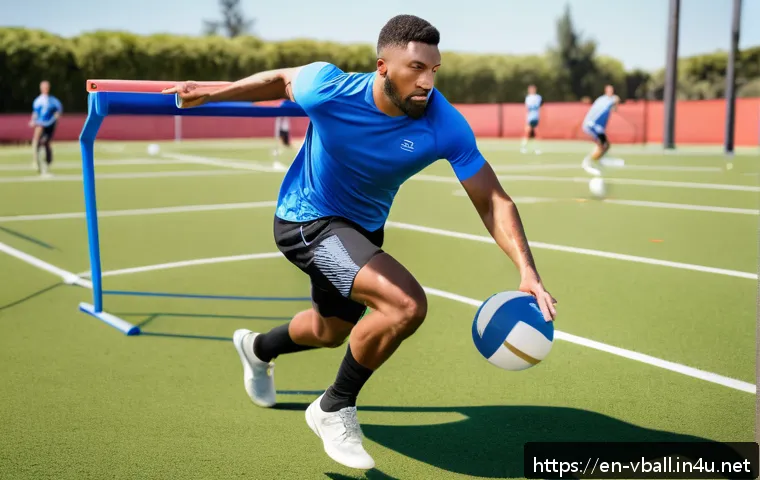
I’ve tried several of these techniques myself, and the results have been nothing short of game-changing. In this post, we’ll dive into practical strategies designed to unlock your full volleyball potential, helping you jump higher, move faster, and dominate every play.
Stick around—these insights might just be the edge you’ve been searching for!
Enhancing Vertical Leap Through Targeted Plyometrics
Understanding Plyometric Training for Volleyball
Plyometric exercises are a game-changer when it comes to boosting explosive power, especially for volleyball players aiming to increase their vertical jump.
These exercises focus on rapid stretching and contracting of muscles, mimicking the quick, powerful movements you perform on the court. For instance, box jumps and depth jumps help train your fast-twitch muscle fibers, which are crucial for those sudden leaps during spikes or blocks.
When I first incorporated plyometrics into my routine, I noticed a significant difference in how quickly I could elevate off the ground, making it easier to out-jump opponents and secure points.
Key Plyometric Drills to Incorporate
Some of the most effective plyometric drills include bounding, tuck jumps, and lateral hops. Bounding trains your leg muscles to propel you forward and upward simultaneously, perfect for dynamic plays.
Tuck jumps, where you bring your knees to your chest mid-air, build explosive power and core strength, which is vital for maintaining balance during complex maneuvers.
Lateral hops improve agility and help with rapid side-to-side movements on the court, enhancing your ability to react to the ball quickly. Consistently practicing these drills 2-3 times a week can lead to noticeable improvements in your jumping ability and overall explosiveness.
Progression and Injury Prevention Tips
It’s important to gradually increase the intensity and volume of plyometric exercises to avoid injury. Starting with low-impact drills and focusing on perfect form can prevent common issues like tendonitis or ankle sprains.
I found that warming up thoroughly before plyometric sessions and incorporating mobility exercises afterward helped me stay injury-free. Also, listening to your body is key; if you feel sharp pain or excessive fatigue, scaling back is necessary.
Remember, explosive power gains come from consistent, controlled training rather than pushing too hard too fast.
Speed and Agility Drills for Quick Court Movement
Importance of Agility in Volleyball Performance
Speed and agility are just as critical as jumping ability in volleyball, as they determine how fast you can reach the ball and transition between plays.
Agility drills help you develop the ability to change direction swiftly without losing balance or momentum. During matches, this translates to better defensive coverage and faster positioning for attacks.
From my experience, adding cone drills and shuttle runs to my regimen made a huge difference in how quickly I could respond to unpredictable plays and keep up with fast-paced rallies.
Effective Agility Exercises to Try
Incorporate ladder drills, zig-zag sprints, and quick-feet drills to enhance your footwork and acceleration. Ladder drills promote fast foot turnover and coordination, while zig-zag sprints mimic the quick lateral movements needed to cover the court effectively.
Quick-feet drills, often done in place or over short distances, sharpen your reaction time and neuromuscular control. These exercises not only improve your speed but also your balance and body control, helping you avoid awkward landings or slips during intense plays.
Combining Speed Training with Endurance
While speed is crucial, endurance ensures you maintain that quickness throughout the entire match. Integrating interval training—alternating between sprinting and jogging—can build the stamina required for sustained high-intensity efforts.
Personally, mixing short sprints with active recovery periods helped me maintain explosive bursts longer without fatiguing too quickly. This balance between speed and endurance training is essential for volleyball players who want to stay sharp and responsive from the first serve to the final point.
Strength Conditioning for Explosive Power
Building a Strong Foundation with Resistance Training
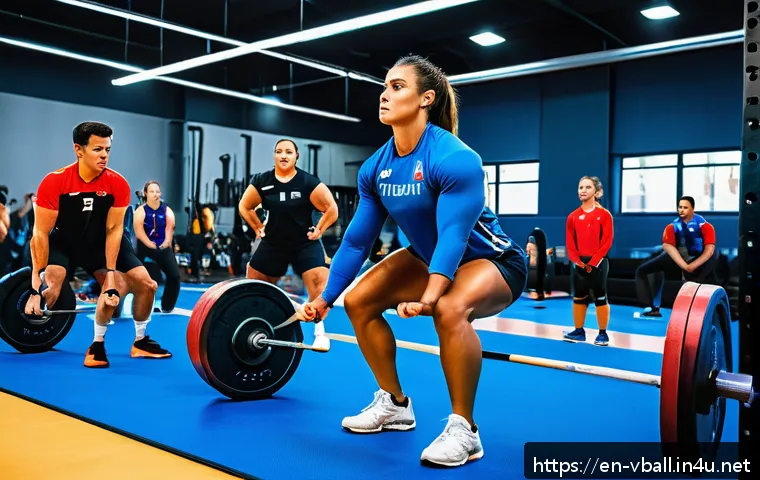
Strength training forms the backbone of explosive volleyball performance. Exercises targeting the lower body, core, and upper body all contribute to more powerful jumps, spikes, and serves.
Squats, deadlifts, and lunges develop the leg muscles that provide the spring needed for vertical leaps, while core exercises like planks and Russian twists enhance stability and power transfer.
I’ve found that consistent weight training not only boosted my power but also reduced fatigue during long matches by improving muscle endurance.
Incorporating Olympic Lifts for Power Development
Olympic lifts such as cleans and snatches are highly effective for volleyball players because they train explosive strength and coordination simultaneously.
These lifts teach your body to generate maximum force in minimal time, which directly translates to quicker jumps and harder hits. When I first added cleans to my workout, I noticed an immediate improvement in my ability to explode off the ground.
However, it’s important to master proper technique with a coach or trainer to avoid injury and maximize benefits.
Balancing Strength with Flexibility
While building strength is critical, maintaining flexibility ensures your muscles can stretch and contract efficiently during explosive movements. Incorporating dynamic stretching before workouts and static stretching after sessions helps maintain a full range of motion and prevents tightness.
From personal experience, neglecting flexibility led to slower recovery and increased muscle soreness, which hampered performance. A balanced approach that respects both strength and flexibility will yield the best results in explosive power development.
Nutrition Strategies to Fuel Explosive Performance
Optimizing Macronutrient Intake for Energy
Proper nutrition is often overlooked but plays a pivotal role in enhancing volleyball performance. Consuming the right balance of carbohydrates, proteins, and fats ensures your body has the fuel it needs for explosive movements and quick recovery.
Carbohydrates provide the immediate energy required for high-intensity drills, while proteins support muscle repair and growth. Healthy fats contribute to sustained energy and hormone regulation.
I noticed that tweaking my diet to include complex carbs like quinoa and sweet potatoes, along with lean proteins such as chicken and fish, helped me feel more energized and recover faster after tough training sessions.
Hydration and Its Impact on Power Output
Staying hydrated is essential for maintaining peak performance, especially during intense practices or matches. Dehydration can quickly sap your energy and reduce muscle function, leading to slower reactions and weaker jumps.
Drinking water consistently throughout the day and supplementing with electrolytes during extended play kept me feeling sharp and explosive on the court.
I recommend monitoring your urine color as a simple hydration gauge—clear or light yellow indicates good hydration, while darker shades suggest you need more fluids.
Timing Meals and Supplements for Maximum Effect
When you eat matters just as much as what you eat. Consuming a balanced meal 2-3 hours before training can provide sustained energy, while a quick snack rich in carbs and protein about 30 minutes prior can boost immediate performance.
Post-workout nutrition focused on protein and carbs aids muscle recovery and replenishes glycogen stores. I also experimented with creatine and branched-chain amino acids (BCAAs), which seemed to enhance my power output and reduce muscle soreness, respectively.
However, always consult a healthcare professional before starting any supplementation.
Recovery Techniques to Sustain Explosive Power
Importance of Active Recovery
Active recovery plays a crucial role in maintaining and improving explosive power over time. Low-intensity activities like swimming, cycling, or yoga help increase blood flow to muscles, speeding up the removal of metabolic waste and reducing soreness.
Incorporating these sessions between intense training days allowed me to bounce back quicker and maintain consistent performance. Passive rest alone isn’t enough; keeping the body moving gently can make a big difference in how explosive you feel during subsequent workouts.
Using Foam Rolling and Massage for Muscle Relief
Self-myofascial release techniques such as foam rolling and massage target muscle tightness and improve tissue quality. These methods help break up adhesions and increase flexibility, which is vital for explosive movements.
After adopting a regular foam rolling routine, I noticed fewer muscle knots and better range of motion, which translated to smoother and more powerful jumps.
Scheduling professional massages occasionally also contributed to quicker recovery and reduced risk of injury.
Sleep as the Ultimate Performance Enhancer
Never underestimate the power of quality sleep for explosive power gains. During deep sleep, the body releases growth hormone which aids muscle repair and growth.
I found that prioritizing 7-9 hours of uninterrupted sleep led to better focus, quicker reaction times, and improved energy levels on the court. Establishing a consistent sleep schedule and creating a restful environment—like reducing screen time before bed—helped me unlock my full athletic potential.
Tracking Progress and Setting Realistic Goals
Measuring Explosive Power Improvements
Tracking your progress is essential for staying motivated and ensuring your training is effective. Vertical jump tests, timed agility drills, and strength assessments can provide concrete data on how your explosive power evolves over time.
I kept a training journal where I recorded my jump height and sprint times weekly, which helped me see small but consistent improvements. Using apps or wearable tech can also offer real-time feedback and insights, making it easier to adjust your routine as needed.
Setting SMART Goals for Volleyball Training
Setting Specific, Measurable, Achievable, Relevant, and Time-bound (SMART) goals keeps your training focused and purposeful. For example, aiming to increase your vertical jump by 4 inches within 8 weeks is a clear and motivating target.
Breaking down larger goals into smaller milestones prevents overwhelm and celebrates progress along the way. I found that sharing my goals with teammates or coaches added accountability and encouragement, which was key to staying on track.
Adjusting Training Based on Feedback
Listening to your body and adjusting your training plan based on feedback is crucial to avoid plateaus and injuries. If you notice stagnation or increased fatigue, it might be time to modify your workout intensity or volume.
Incorporating rest days or switching up drills can refresh both your body and mind. I learned that flexibility in training plans, paired with regular self-assessment, leads to sustainable explosive power gains and long-term volleyball success.
| Training Component | Recommended Exercises | Frequency | Key Benefits |
|---|---|---|---|
| Plyometrics | Box jumps, tuck jumps, lateral hops | 2-3 times/week | Improves vertical jump, fast-twitch muscle activation |
| Speed & Agility | Ladder drills, zig-zag sprints, shuttle runs | 2-3 times/week | Enhances quickness, court coverage, reaction time |
| Strength Training | Squats, deadlifts, Olympic lifts | 3 times/week | Builds explosive power, muscular endurance |
| Nutrition | Balanced macronutrients, hydration, timed meals | Daily | Supports energy, muscle repair, sustained performance |
| Recovery | Active recovery, foam rolling, quality sleep | Daily/As needed | Prevents injury, enhances muscle repair, maintains flexibility |
Conclusion
Improving your explosive power on the volleyball court requires a well-rounded approach that combines targeted plyometrics, speed and agility drills, strength conditioning, proper nutrition, and effective recovery strategies. From my experience, consistency and mindful progression are key to seeing real results without risking injury. By integrating these elements thoughtfully, you’ll not only jump higher but also move faster and sustain your performance throughout the game.
Useful Information to Keep in Mind
1. Plyometric exercises should be done 2-3 times per week to maximize vertical jump improvements while allowing adequate recovery.
2. Speed and agility drills enhance your ability to respond quickly and cover the court effectively during fast-paced rallies.
3. Strength training, especially with compound lifts and Olympic movements, builds the foundation for powerful jumps and hits.
4. Proper nutrition and hydration fuel your workouts and accelerate recovery, making sure you stay sharp and energized.
5. Prioritizing active recovery and quality sleep helps prevent injuries and supports ongoing muscle repair for sustained explosive power.
Key Takeaways for Explosive Volleyball Performance
To achieve lasting improvements in your vertical leap and overall explosiveness, balance is essential. Gradually increase training intensity while maintaining proper form to avoid injuries. Combine plyometric and agility drills with strength and nutrition plans tailored to your needs. Don’t overlook recovery techniques like foam rolling and sleep, as they are crucial for muscle health and performance longevity. Finally, track your progress and set realistic, measurable goals to stay motivated and continually advance your skills on the court.
Frequently Asked Questions (FAQ) 📖
Q: What are some of the most effective exercises to improve explosive power for volleyball players?
A: From my experience, plyometric exercises like box jumps, squat jumps, and lateral bounds are incredibly effective for building explosive power. These movements train your muscles to generate force quickly, which directly translates to higher jumps and faster court movements.
Incorporating resistance training with exercises like deadlifts and power cleans also helps develop the strength foundation you need. The key is consistency and gradually increasing intensity to avoid injury while maximizing gains.
Q: How often should I practice these new training methods to see noticeable improvements?
A: In my observation, practicing explosive power training about 2-3 times a week works best for most players. This frequency allows your muscles to recover while still providing enough stimulus to improve.
Overdoing it can lead to fatigue or injury, so balance is essential. Pairing these sessions with regular volleyball drills and adequate rest ensures you’re improving not just your power but your overall game readiness.
Q: Can beginners safely incorporate these advanced training techniques, or should they start with something simpler?
A: Beginners can definitely benefit from these techniques, but it’s important to start with basic movements and perfect your form first. For example, mastering bodyweight squats and simple jump mechanics lays the groundwork for more explosive exercises later on.
Jumping straight into high-intensity plyometrics without proper preparation can increase injury risk. I recommend gradually progressing under the guidance of a coach or trainer who understands your skill level and goals.