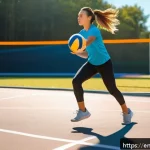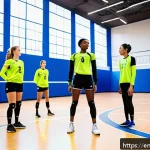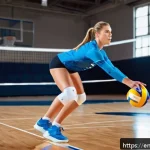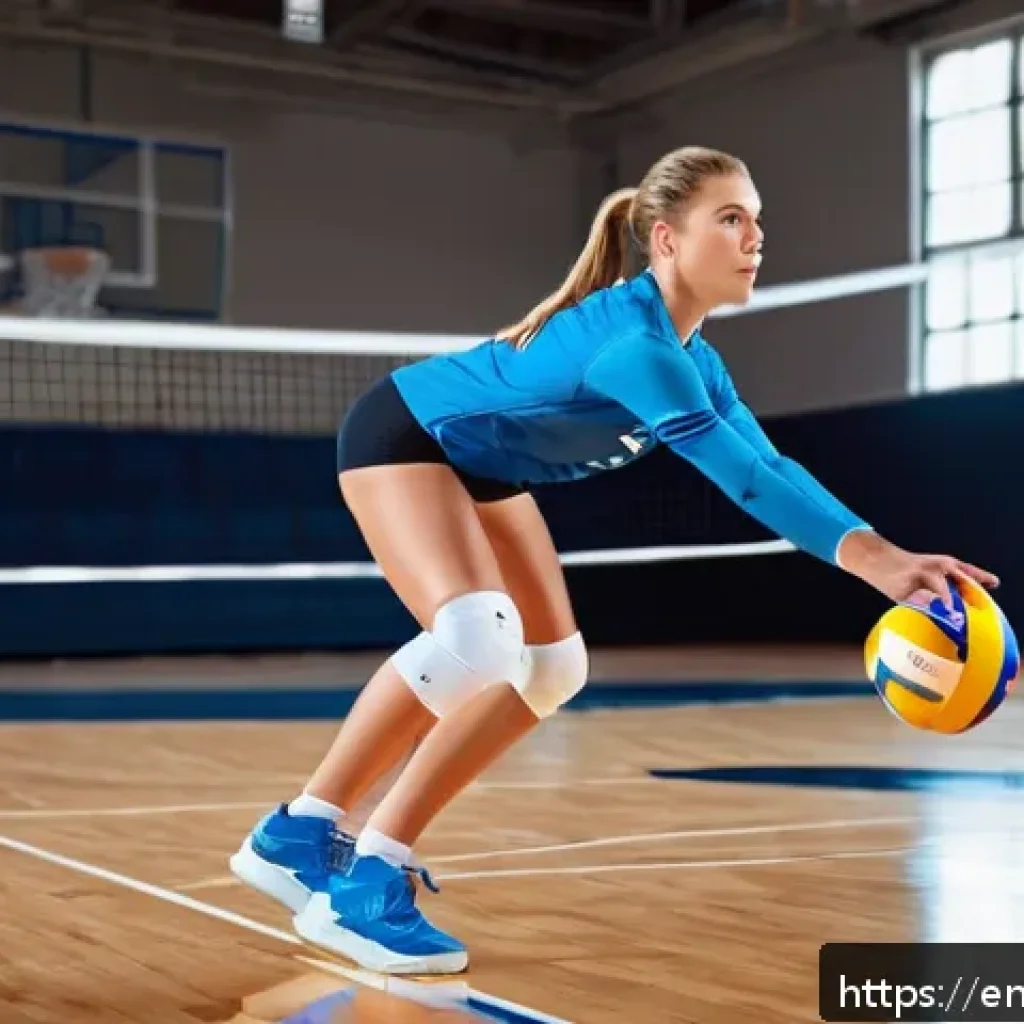
Hey volleyball enthusiasts! With the sport gaining even more momentum this season, having the right gear isn’t just a convenience—it’s a game-changer.
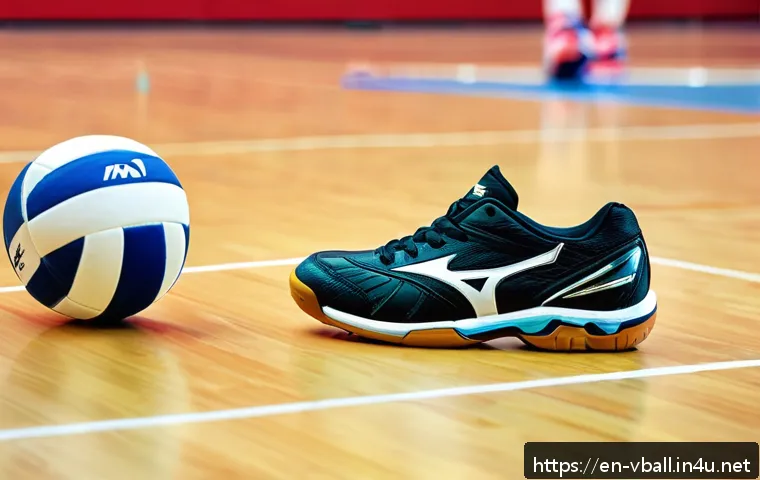
Whether you’re hitting the court for the first time or gearing up for a competitive match, preparing with essential equipment can boost both your confidence and performance.
I’ve noticed firsthand how the right shoes, knee pads, and even a quality ball can make all the difference. Stick around as we dive into the must-have volleyball gear that’ll elevate your game and keep you ready for anything the season throws your way.
Trust me, you won’t want to miss these tips!
Choosing Footwear That Supports Every Move
Understanding the Importance of Volleyball Shoes
Volleyball is a sport that demands quick lateral movements, sudden stops, and explosive jumps. Wearing the right shoes designed specifically for volleyball can make a significant difference in both performance and injury prevention.
Unlike running shoes, volleyball shoes feature gum rubber soles that provide excellent grip on indoor courts, helping you maintain stability during rapid direction changes.
I remember when I switched from my regular sneakers to volleyball-specific shoes—the difference was night and day. My foot felt more secure, and I noticed less slipping, especially during fast-paced rallies.
So, investing in a good pair of volleyball shoes isn’t just about comfort; it’s about enhancing your agility and confidence on the court.
Key Features to Look For
When shopping for volleyball shoes, focus on cushioning, support, and weight. Cushioning absorbs the impact from jumping and landing, reducing stress on your joints.
Support, particularly around the ankles, helps prevent sprains. Lightweight shoes allow you to move faster without feeling weighed down. Personally, I’ve found that shoes with reinforced sidewalls help me feel more stable during quick side-to-side motions.
Also, keep in mind that durability matters—look for shoes made with breathable mesh and durable overlays to keep your feet cool and protected during intense matches.
Maintenance Tips for Longevity
To get the most out of your volleyball shoes, proper care is essential. After each game or practice, wipe off any dirt and let them air dry naturally.
Avoid tossing them in the washing machine, as this can weaken the materials and affect the shoe’s fit. Rotating between two pairs, if possible, allows each to dry completely and maintains cushioning integrity.
From experience, keeping your shoes clean and dry not only extends their life but also keeps the soles sticky and effective for better court traction.
Protecting Your Knees with the Right Pads
Why Knee Pads Are Non-Negotiable
Knee pads are a staple for volleyball players, and for good reason. The sport involves a lot of diving, sliding, and kneeling, which can quickly wear down your knees without adequate protection.
When I started playing competitively, I underestimated knee pads and ended up with bruises and minor scrapes that could have been avoided. Good knee pads provide cushioning that absorbs shock, preventing painful impacts and reducing the risk of long-term injury.
They also give you the confidence to go all out, knowing your knees are shielded.
Types of Knee Pads and Their Benefits
There are several types of knee pads available, from slim, lightweight sleeves to thick, heavily padded guards. Lightweight sleeves are great for beginners or casual players who want basic protection without bulk.
For more aggressive play, especially in indoor leagues, thick padded knee pads with gel inserts offer superior cushioning and impact absorption. Personally, I prefer gel-padded options because they provide a balance of comfort and protection during intense matches.
Some knee pads also feature moisture-wicking fabric to keep sweat at bay, which is a small but important detail that keeps you comfortable.
How to Choose the Right Fit
A knee pad that’s too tight can restrict movement, while one that’s too loose won’t stay in place during play. When trying on knee pads, make sure they feel snug but not uncomfortable.
They should cover the kneecap fully and extend slightly above and below for maximum protection. I’ve learned that sizing can vary between brands, so trying different models before committing is wise.
Also, consider pads with adjustable straps for a customizable fit that stays put no matter how hard you dive or slide.
Selecting the Perfect Volleyball
Material and Construction Matter
The volleyball itself is often overlooked, but the ball you play with can impact your game more than you might think. Volleyballs come in different materials—leather, synthetic leather, and composite.
Leather balls offer a traditional feel and durability but tend to be heavier and absorb water, which can affect grip. Synthetic and composite balls are lighter, more water-resistant, and often preferred for indoor play.
When I switched to a high-quality synthetic ball, I noticed better control and less hand fatigue during long rallies.
Size and Weight Standards
Official volleyball size and weight standards are essential to keep in mind, especially if you’re playing in leagues or tournaments. A standard indoor volleyball weighs between 260 to 280 grams and measures about 65 to 67 centimeters in circumference.
Using a ball outside these specs can affect your serve, pass, and spike mechanics. For beginners, slightly lighter balls may help build confidence and technique before moving up to regulation size.
I found that practicing with the correct ball size really helped me develop consistent ball handling skills.
Inflation Tips for Optimal Play
Proper inflation is often underestimated but crucial for a good volleyball experience. An underinflated ball feels sluggish and harder to control, while an overinflated ball can be too hard, increasing the risk of hand injuries.
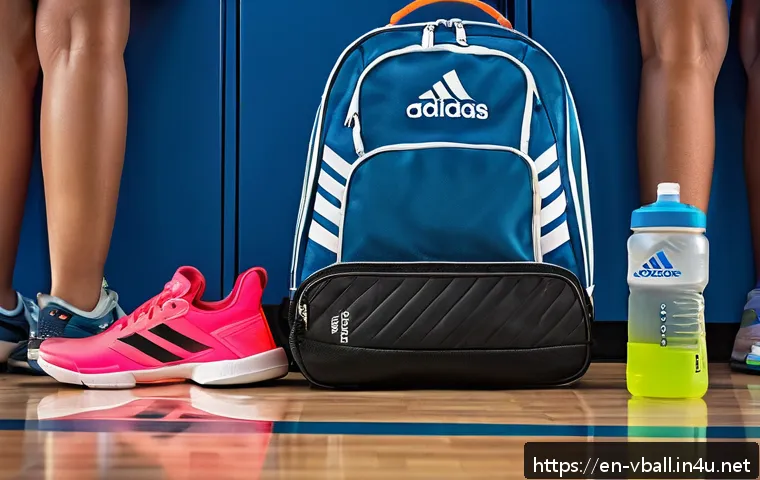
The recommended pressure for indoor volleyballs is usually between 4.3 to 4.6 psi. I always carry a pump with a pressure gauge to ensure my ball is perfectly inflated before every practice and match.
This small step noticeably improves ball flight and touch.
Maximizing Performance with Supportive Accessories
Wrist Braces and Finger Taping
Volleyball places a lot of strain on your wrists and fingers from repetitive hitting and blocking. Using wrist braces can provide extra stability, especially if you’ve had previous injuries or feel discomfort during play.
Finger taping is another common practice among players to protect against sprains and hyperextensions. From personal experience, taping fingers before matches reduced my risk of injury and helped me feel more secure when digging or setting.
Comfort-Enhancing Apparel
Choosing the right apparel can affect your range of motion and overall comfort. Moisture-wicking shirts and shorts help keep sweat off your skin, reducing irritation and chafing.
Compression gear can support muscle endurance and speed up recovery. I’ve found that wearing compression sleeves on my arms helps with blood circulation and reduces muscle fatigue during long tournaments.
Hydration and Nutrition Gear
Staying hydrated and fueled is essential for sustained performance. Having a durable water bottle and easily accessible snacks like energy bars can keep your energy levels steady during breaks.
I always pack a hydration mix with electrolytes to replenish what I lose through sweat. These small additions have made a huge difference in how I feel halfway through intense games.
Organizing Your Volleyball Kit Efficiently
Choosing the Right Bag
A well-organized bag can save you time and reduce stress before and after games. Volleyball bags come in various sizes, with compartments for shoes, balls, and personal items.
I prefer bags with ventilated shoe compartments to keep odor away from my clothes. Having separate pockets for essentials like tape, snacks, and water bottles means I never have to dig around frantically before a match.
Essential Kit Checklist
Creating a checklist ensures you never forget crucial items. My personal checklist includes shoes, knee pads, volleyball, water bottle, wrist tape, snacks, and a change of clothes.
Having this routine not only prepares me physically but also mentally, making me feel ready and confident every time I step on the court.
Maintaining Cleanliness and Readiness
Keeping your gear clean is vital for both hygiene and longevity. I make it a point to wash my knee pads and apparel after every use and wipe down my volleyball and shoes regularly.
This habit keeps everything fresh, prevents unpleasant odors, and ensures my equipment performs at its best every game.
Comparing Top Volleyball Shoe Brands
| Brand | Key Features | Price Range | Best For |
|---|---|---|---|
| ASICS | Excellent cushioning, durable, good ankle support | $90 – $140 | Intermediate to advanced players |
| Mizuno | Lightweight, breathable, responsive sole | $100 – $150 | Fast movers and jumpers |
| Adidas | Stylish design, good traction, flexible fit | $80 – $130 | Casual players and beginners |
| Under Armour | Strong support, moisture-wicking, durable outsole | $95 – $140 | Players needing extra foot stability |
Conclusion
Choosing the right volleyball gear—from shoes to accessories—plays a crucial role in enhancing your performance and preventing injuries. Investing time and effort into selecting quality equipment tailored to your needs will boost your confidence on the court. Remember, proper maintenance and organization of your gear can extend its lifespan and keep you game-ready. Ultimately, the right preparation helps you focus on what truly matters: enjoying and excelling at volleyball.
Helpful Tips to Remember
1. Always prioritize volleyball-specific shoes with good grip and ankle support to improve agility and reduce injury risk.
2. Knee pads are essential; choose the right type and fit to protect your joints during intense plays.
3. Use a volleyball that matches official size and weight standards and keep it properly inflated for optimal control.
4. Incorporate supportive accessories like wrist braces and compression apparel to enhance comfort and prevent strain.
5. Keep your volleyball kit well-organized and clean to ensure quick access and prolong the life of your equipment.
Key Takeaways
Proper footwear designed specifically for volleyball is vital for stability and performance. Selecting knee pads that fit well and provide adequate cushioning can prevent injuries and boost confidence during play. Using the correct volleyball and maintaining its inflation level enhances control and game quality. Supportive accessories and moisture-wicking apparel contribute to comfort and endurance. Lastly, organizing and caring for your gear not only saves time but also maintains hygiene and equipment durability for consistent performance.
Frequently Asked Questions (FAQ) 📖
Q: uestionsQ1: What are the essential volleyball gear items every player should have?
A: Every volleyball player should start with a reliable pair of volleyball shoes that provide good grip and ankle support to prevent injuries. Knee pads are crucial as they protect your knees during dives and floor contact, which I’ve found makes a huge difference in comfort and confidence.
A quality volleyball is also important—not just any ball will do; it should have the right weight and grip to help with control during serves and spikes.
Once you have these basics, you can add other items like ankle braces or arm sleeves based on your personal needs.
Q: How do the right volleyball shoes affect my performance on the court?
A: Wearing the right volleyball shoes significantly impacts your agility and safety. I’ve experienced firsthand that shoes designed specifically for volleyball offer better traction on indoor courts, which helps with quick lateral movements and sudden stops.
This reduces the risk of slipping or twisting an ankle. Plus, proper cushioning absorbs shock, which keeps your feet comfortable even during long matches.
Investing in the right shoes can boost your confidence, letting you focus more on your game rather than worrying about foot pain or injury.
Q: Can using quality knee pads really improve my playing experience?
A: Absolutely. Knee pads do more than just protect from scrapes; they provide crucial cushioning that absorbs impact when you dive or slide on the court.
From my experience, having well-fitted knee pads made a noticeable difference in how freely I could move without fear of bruising or discomfort. This comfort allowed me to be more aggressive with my plays and less hesitant to go for those floor saves.
If you’re serious about volleyball, quality knee pads are a must-have to keep you playing at your best and staying injury-free.