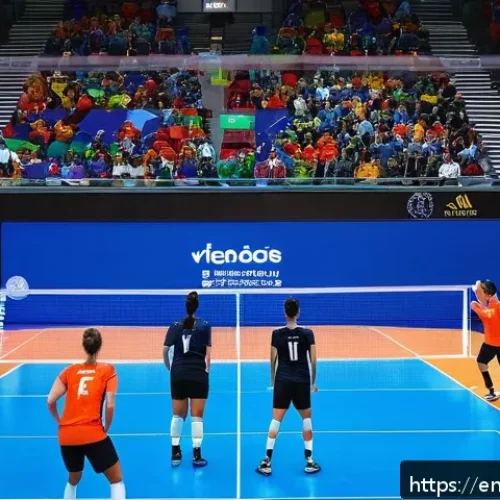
Unlock Peak Recovery: Essential Post-Volleyball Stretching Techniques for Faster Muscle Relief
webmaster

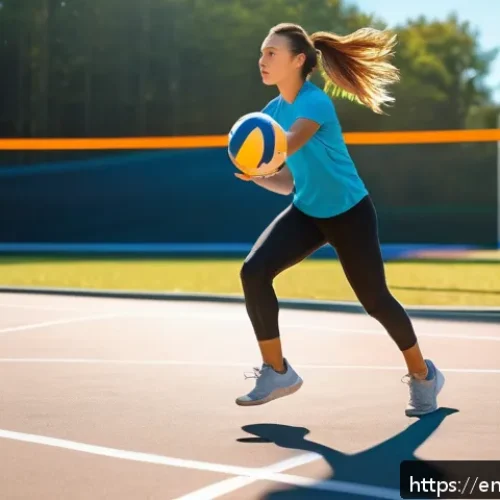
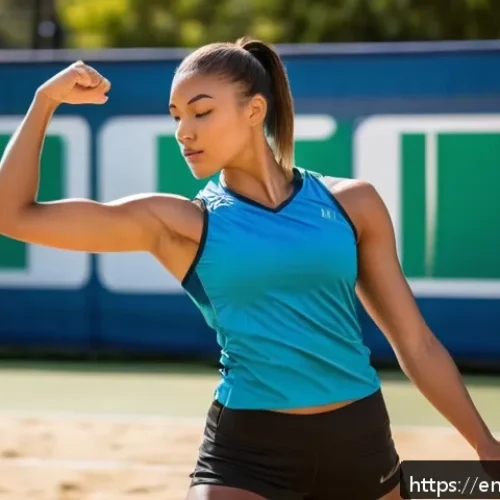
배구 경기 후 스트레칭 방법 - A fit female volleyball player in athletic wear performing a cross-body shoulder stretch outdoors on...

Hey volleyball enthusiasts! With the season heating up and matches getting more intense, recovery has never been more crucial. If you’ve ever felt tight muscles or lingering soreness after a tough game, you’re not alone.

배구 경기 후 스트레칭 방법 관련 이미지 1

Unlocking peak recovery through the right post-volleyball stretching techniques can make all the difference in how quickly you bounce back. Stick around as we dive into essential stretches that not only speed up muscle relief but also boost your overall performance on the court.

Trust me, your body will thank you for it!

Targeted Stretching for Common Volleyball Muscle Strains

Loosening Up Your Shoulders and Arms

After a high-energy volleyball match, your shoulders and arms often bear the brunt of the action. I’ve noticed that dedicating time to stretches like the cross-body shoulder stretch or triceps stretch can significantly reduce tightness.

These stretches gently elongate the muscles used in serving and spiking, promoting better blood flow and quicker recovery. Instead of rushing through, hold each stretch for at least 30 seconds, breathing deeply to encourage muscle relaxation.

Personally, I find that incorporating slow arm circles before static stretching helps warm the muscles, making the process smoother and less uncomfortable.

Releasing Tension in the Lower Back and Core

Your lower back and core take on a lot of stress from quick directional changes and jumps. One stretch I swear by is the seated spinal twist; it not only improves spinal mobility but also eases any lingering soreness.

Additionally, the cat-cow stretch is fantastic for loosening the entire back region. When I do these, I make sure to move slowly and listen to my body—no forcing or bouncing.

This mindful approach helps prevent further strain and promotes genuine relief. If you feel stiffness around your abs or obliques, gentle side bends can also aid in recovery.

Calming the Calves and Ankles

Volleyball involves a ton of jumping and sudden lateral moves, which means calves and ankles can get pretty tight. The standing calf stretch against a wall is a classic that never disappoints, especially when you feel tightness creeping up after a long match.

Also, ankle circles are a simple but effective way to improve mobility and reduce stiffness. What’s worked best for me is to perform these stretches while seated or standing, depending on how fatigued my legs feel.

It’s all about tuning into what your body needs after the game.

Advertisement

Incorporating Dynamic Movements to Enhance Recovery

Why Dynamic Stretching Beats Static Right After Play

Right after intense volleyball action, dynamic stretches can be a game-changer. From my experience, moving through controlled leg swings or arm swings helps flush out lactic acid and maintains circulation without overstressing tired muscles.

This approach feels less like a chore and more like a natural cooldown, which encourages me to stick with it. It’s also a great way to gradually bring your heart rate down without feeling stiff or sluggish.

Simple Dynamic Drills for Post-Game Routine

I like starting with hip openers—like leg swings side to side—to reset my range of motion. Follow that with high knees or butt kicks for a gentle cardio cooldown.

These drills keep the muscles engaged but not exhausted, which is essential for recovery. Remember, the goal here isn’t to stretch hard but to keep the body moving smoothly.

This approach has helped me bounce back faster between matches and maintain energy during tournaments.

Advertisement

Essential Lower Body Stretches for Volleyball Players

Quadriceps Stretching for Knee Health

Your quads work overtime during volleyball, supporting jumps and quick sprints. Stretching them regularly helps prevent stiffness and reduces the risk of knee injuries.

I usually do a standing quad stretch, pulling my foot toward my buttocks, keeping my knees close. What I’ve learned is that balancing on one leg might be tricky after a tough game, so holding onto a wall or chair can help maintain stability and prevent falls.

Holding this stretch for a solid 30 seconds on each side makes a noticeable difference in how my knees feel the next day.

Hamstring Flexibility and Recovery

Tight hamstrings can really slow you down and cause discomfort, especially after diving for a ball or lunging. The seated hamstring stretch is one of my favorites because it’s simple yet effective.

Sitting on the floor and reaching for your toes stretches the back of the legs deeply, but it’s important not to bounce or overstretch. I remind myself that gradual progress beats pushing too hard.

Consistency with this stretch has helped me avoid the nagging tightness that used to linger for days.

Hip Flexor Stretching to Combat Sitting Strain

Many volleyball players underestimate how much time they spend sitting off the court, which tightens the hip flexors. Stretching these muscles helps maintain explosive power and reduces lower back strain.

The kneeling hip flexor stretch is a game-changer here. When I started adding this to my post-game routine, my posture improved and jumping felt less restricted.

배구 경기 후 스트레칭 방법 관련 이미지 2

Holding the stretch for at least 40 seconds while engaging the core makes it way more effective.

Advertisement

Upper Body Mobility Techniques to Prevent Injury

Chest and Pectoral Stretches to Open Up the Front Body

Serving and hitting repeatedly can cause your chest muscles to tighten, which might affect your posture and shoulder health. I found that doorway stretches, where you place your arms on a doorframe and gently lean forward, are excellent for opening up those tight spots.

Doing this stretch after a match has helped me feel less hunched and more upright. Plus, it feels great to release that tension that builds up from all the forward arm motion.

Forearm and Wrist Flexibility for Better Ball Control

Strong, flexible forearms and wrists are crucial for precise ball handling. Stretching these areas can prevent cramps and discomfort during long matches.

I like to gently pull my fingers back toward my forearm to stretch the wrist extensors and flexors. Doing this slowly and regularly has made a noticeable difference in my grip and control over the volleyball.

It’s a small step that pays off big in the long run.

Advertisement

Creating a Balanced Stretching Schedule for Consistent Gains

Mixing Static and Dynamic Elements Throughout the Week

Balancing static and dynamic stretches is key to ongoing flexibility and injury prevention. In my routine, I alternate between dynamic stretches before practice or matches and static stretches afterward.

This combination keeps my muscles warm and limber without overdoing it. I recommend setting specific days for deeper stretching sessions focusing on problem areas, like hips or shoulders, to gradually improve mobility.

Tracking Progress and Adjusting Your Routine

Keeping a simple log of your stretching routine can be surprisingly motivating. I jot down which stretches I do, how long I hold them, and any improvements or lingering tightness.

Over time, this helps identify which areas need more attention and when to back off. It’s easy to forget small gains, but seeing progress on paper encourages consistency and patience, both essential for lasting results.

Advertisement

Key Stretching Exercises and Their Benefits at a Glance

Stretch Target Area Recommended Duration Main Benefit
Cross-Body Shoulder Stretch Shoulders 30 seconds each side Relieves shoulder tightness, improves arm mobility
Seated Spinal Twist Lower Back 30-40 seconds each side Enhances spinal flexibility, eases back soreness
Standing Calf Stretch Calves and Ankles 30 seconds each side Reduces calf tightness, boosts ankle mobility
Leg Swings (Dynamic) Hips and Legs 15-20 reps each leg Improves dynamic flexibility, aids muscle recovery
Kneeling Hip Flexor Stretch Hip Flexors 40 seconds each side Increases hip mobility, prevents lower back strain
Doorway Chest Stretch Chest 30 seconds Opens chest muscles, improves posture
Forearm Wrist Stretch Forearms and Wrists 20-30 seconds each side Prevents cramps, enhances ball handling
Advertisement

Closing Thoughts

Proper stretching tailored to volleyball-specific muscle strains plays a vital role in enhancing performance and preventing injuries. Taking the time to integrate both static and dynamic stretches into your routine will help you recover faster and stay agile on the court. Listening to your body and being consistent are key to long-term benefits. Remember, effective stretching is not just about flexibility but overall muscle health and readiness for your next game.

Advertisement

Helpful Tips to Keep in Mind

1. Always warm up with dynamic stretches before games or practices to prepare your muscles and reduce injury risk.

2. Hold static stretches for at least 30 seconds to allow muscles to relax and lengthen properly.

3. Balance your routine by focusing on both upper and lower body areas prone to tightness in volleyball players.

4. Use supports like walls or chairs when needed to maintain balance during standing stretches, especially post-game.

5. Track your stretching progress regularly to identify improvements and adjust your routine accordingly for optimal results.

Advertisement

Key Takeaways for Effective Volleyball Stretching

Consistent stretching routines combining static and dynamic movements are essential for maintaining flexibility, preventing injuries, and improving overall volleyball performance. Prioritize muscle groups most stressed during play, such as shoulders, hips, and calves, and practice mindful stretching without forcing movements. Incorporating both warm-up and cooldown stretches enhances recovery and helps sustain energy levels throughout tournaments and training sessions.

Frequently Asked Questions (FAQ) 📖

Q: uestions about Post-Volleyball Stretching and RecoveryQ1: Why is stretching important after playing volleyball?

A: Stretching after volleyball helps release muscle tightness and reduces soreness by improving blood flow and flexibility. When I started incorporating targeted stretches post-game, I noticed my recovery time shortened significantly, and I felt less stiffness the next day.
It also lowers the risk of injury, which is crucial as matches get more intense and your muscles work harder.

Q: What are the best stretches to focus on for volleyball players?

A: Key stretches include hamstring stretches, calf stretches, quadriceps stretches, and shoulder openers. These areas take a lot of strain during jumps, spikes, and quick movements.
Personally, spending just 10 minutes on these stretches right after playing made a huge difference in how my muscles felt. It’s best to hold each stretch for at least 20-30 seconds and avoid bouncing to prevent further muscle strain.

Q: How soon after a volleyball game should I start stretching for recovery?

A: Ideally, you should begin your stretching routine within 15-30 minutes after the game while your muscles are still warm. I’ve found that waiting too long makes muscles stiffen up, which can slow down recovery.
If you can’t stretch immediately, even light movement like walking can help keep blood flowing until you can do your full stretching routine.

📚 References


➤ Link

– Google Search

➤ Link

– Bing Search

➤ Link

– Google Search

➤ Link

– Bing Search

➤ Link

– Google Search

➤ Link

– Bing Search

➤ Link

– Google Search

➤ Link

– Bing Search

➤ Link

– Google Search

➤ Link

– Bing Search

➤ Link

– Google Search

➤ Link

– Bing Search

➤ Link

– Google Search

➤ Link

– Bing Search
Advertisement