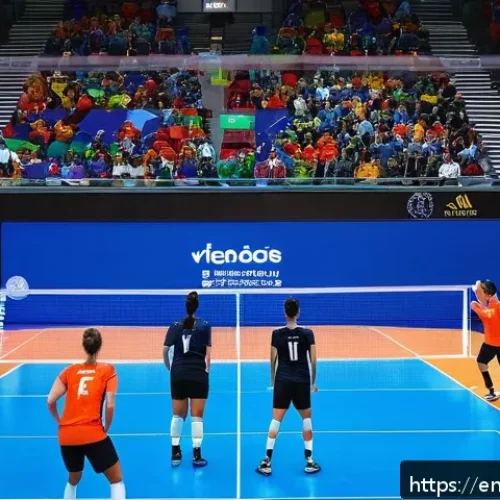
Lately, the buzz around athletic training has been all about maximizing efficiency and boosting performance, especially in fast-paced sports like volleyball.

If you’ve ever felt winded halfway through a match or struggled to keep up with those quick sprints and jumps, you’re not alone. Cardio workouts are more than just a way to stay fit—they’re essential for enhancing your endurance and agility on the court.
From my experience, integrating targeted cardio routines has transformed how I play and recover. Stick around, and I’ll share some game-changing exercises that will keep you energized and ready for every serve and spike.
Building Explosive Endurance for Volleyball
Interval Running to Mimic Game Intensity
Interval running is one of those workouts that really mirrors the stop-and-go nature of volleyball. Instead of jogging at a steady pace, you alternate between sprinting and walking or slow jogging.
This kind of training pushes your heart rate up and down, which helps your body adapt to rapid bursts of energy followed by brief rests—just like in a match.
When I started adding 30-second sprints followed by 1-minute walks into my routine, I noticed that by the third set in games, I wasn’t gasping for air anymore.
It’s tough at first, but the payoff is huge.
Incorporating Agility Circuits
Agility circuits combine cardio with quick directional changes, which are crucial for volleyball players who need to react fast. Setting up cones or markers and weaving through them with lateral shuffles, quick steps, and backpedaling trains your body to be more responsive and nimble.
I found that doing these drills 3 times a week not only improved my foot speed but also reduced the fatigue I’d feel after chasing down errant balls. The key is to keep the transitions smooth and maintain a high tempo to simulate game conditions.
Jump Rope for Coordination and Cardio
Don’t underestimate the jump rope—it’s a simple tool that packs a serious cardio punch. Skipping for even 10 minutes at a time boosts your heart rate and improves coordination.
Because volleyball requires precise timing for jumps and spikes, jump roping helps synchronize your footwork and hand-eye coordination. I usually add jump rope sessions before practice as a warm-up, and it instantly wakes up my muscles and gets me mentally ready to move explosively.
Mastering Recovery Through Active Cardio
Low-Intensity Steady State (LISS) Cardio Post-Match
After intense matches, jumping straight into heavy training can backfire. That’s where LISS cardio shines. It’s all about maintaining a steady, moderate pace—like a brisk walk or easy cycling—for about 20 to 30 minutes.
This promotes blood flow without taxing your system. Personally, I’ve found that a light bike ride on rest days clears out lactic acid buildup and helps me bounce back faster.
It’s like giving your muscles a gentle nudge to heal rather than a hard shove.
Using Swimming to Reduce Impact
Swimming is a fantastic low-impact cardio option that volleyball players often overlook. It elevates your heart rate while being gentle on joints that endure constant jumping and quick landings.
I started swimming laps during my off-season, and it balanced out the pounding my knees and ankles took during play. Plus, it challenges your breathing differently, improving lung capacity and overall endurance without risking injury.
Dynamic Stretching as Active Recovery
Dynamic stretching isn’t just for warming up; it can serve as a light cardio activity on recovery days. Movements like leg swings, walking lunges, and arm circles keep your blood flowing and prevent stiffness.
I make it a habit to spend 15 minutes on dynamic stretches after every workout or match, which really helps me maintain mobility and reduces soreness.
It’s a small step that makes a big difference in staying consistent with training.
Enhancing Agility with Plyometric Cardio Drills
Bounding and Hopping for Explosive Power
Plyometric drills like bounding and hopping aren’t just for building leg strength; they also act as cardio by keeping your heart rate elevated while training fast-twitch muscle fibers.
These exercises mimic the explosive movements in volleyball—think jumping for blocks or quick lateral shuffles. When I included bounding drills into my routine, I felt my jumps got higher and my recovery between plays got quicker, which was a game-changer.
Box Jumps to Combine Strength and Cardio
Box jumps demand a blend of power, speed, and cardiovascular effort. Jumping onto a sturdy platform repeatedly pushes your muscles and lungs to work together under fatigue.
At first, it felt exhausting, but after consistent practice, I noticed my endurance during long rallies improved significantly. Plus, it’s mentally rewarding to see your jump height increase week by week.
Burpees for Full-Body Conditioning
Burpees are brutal but effective because they target every major muscle group while keeping your heart rate sky-high. The combination of a squat, jump, and push-up builds strength and stamina simultaneously.
I like to include sets of burpees in my warm-ups or conditioning days, and they always leave me feeling like I’ve nailed a full-court workout in just a few minutes.
Tracking Your Progress for Sustainable Gains
Using Heart Rate Monitors to Optimize Training
Keeping an eye on your heart rate during workouts can tell you a lot about your fitness and recovery. For volleyball, you want to train in zones that improve both aerobic and anaerobic capacity.
I use a simple heart rate monitor app that helps me stay within the ideal zones—around 70-85% of max heart rate for cardio sessions. This prevents overtraining and ensures every minute spent working out counts towards better performance on the court.
Recording Sprint Times and Recovery Intervals
Measuring how fast you can sprint and how quickly your heart rate drops afterward is a practical way to gauge improvements in endurance. I started timing my 20-meter sprints and tracking how many seconds it took for my pulse to return to normal.
Seeing those numbers improve over weeks gave me motivation to keep pushing, especially on days when progress felt slow.

Journaling Subjective Feelings and Energy Levels
Beyond numbers, writing down how you feel before and after workouts or games adds a valuable layer of insight. Sometimes your body might be telling you to dial back, even if stats look good.
I’ve found that noting fatigue, soreness, and mental focus helps me adjust training intensity intelligently. It’s a simple habit that keeps me in tune with my body and avoids burnout.
Essential Cardio Exercises Summary for Volleyball Players
| Exercise | Primary Benefit | Recommended Frequency | Duration |
|---|---|---|---|
| Interval Running | Improves anaerobic capacity and simulates match intensity | 2-3 times per week | 20-30 minutes |
| Agility Circuits | Enhances footwork and quick directional changes | 3 times per week | 15-20 minutes |
| Jump Rope | Boosts coordination and cardiovascular endurance | 3-4 times per week | 10-15 minutes |
| LISS Cardio (e.g., cycling, walking) | Promotes recovery and blood flow | 2-3 times per week | 20-30 minutes |
| Plyometric Drills (bounding, box jumps) | Builds explosive power and endurance | 2 times per week | 15-20 minutes |
| Burpees | Full-body conditioning and cardio boost | 2-3 times per week | Sets of 10-15 reps |
Nutrition Tips to Fuel Your Cardio Workouts
Hydration Strategies for Sustained Energy
Staying hydrated before, during, and after cardio sessions is key to maintaining peak performance. I learned the hard way that even slight dehydration can leave you feeling sluggish and cramp-prone on the court.
Drinking water consistently and including electrolyte-rich drinks during longer sessions helps me avoid that mid-match energy crash.
Carbohydrates for Quick Energy
Carbs are the go-to fuel for cardio workouts because they break down quickly into glucose, your body’s main energy source. On days packed with cardio training, I make sure to eat a balanced meal with whole grains, fruits, and veggies a couple of hours before hitting the gym.
This steady energy release keeps me sharp and explosive throughout practice.
Protein for Recovery and Muscle Repair
After intense cardio and plyometric workouts, your muscles need protein to repair and grow stronger. Including lean protein sources like chicken, fish, or plant-based options in your post-workout meals accelerates recovery.
From my experience, combining protein with a bit of carbs right after training not only helped reduce soreness but also improved my readiness for the next session.
Adapting Cardio for Different Skill Levels
Beginners: Building a Base
If you’re new to volleyball cardio training, it’s important to start slow and build a foundation. Begin with steady-state cardio like walking or light jogging for 20 minutes, gradually adding short sprints or agility drills as your fitness improves.
I remember how overwhelming it felt at first, but pacing myself helped me stick with it and avoid burnout.
Intermediate Players: Increasing Intensity
Once you have a solid base, it’s time to push yourself with interval training and plyometrics. Adding variety keeps your workouts engaging and challenges your cardiovascular system in new ways.
I found mixing different drills not only boosted my endurance but also made practices more fun and less monotonous.
Advanced Athletes: Fine-Tuning for Competition
At the advanced level, cardio workouts become highly specific and tailored to match scenarios. This might include sport-specific sprint distances, recovery times, and integrated strength-cardio circuits.
For me, this phase involved detailed monitoring and tweaking based on game schedules, ensuring I peaked exactly when it mattered most.
Closing Thoughts
Building explosive endurance for volleyball takes consistent effort and smart training choices. By combining interval work, agility drills, and proper recovery, you can elevate your game and sustain high energy levels throughout matches. Remember, it’s about quality over quantity and listening to your body’s signals. With dedication, the improvements you seek are within reach.
Useful Information to Keep in Mind
1. Proper hydration before, during, and after training is essential to maintain performance and prevent cramps.
2. Incorporating a mix of cardio and plyometric exercises can enhance both endurance and power effectively.
3. Tracking your heart rate and sprint recovery times helps you monitor progress and avoid overtraining.
4. Nutrition, especially balanced carbs and protein intake, plays a critical role in fueling workouts and aiding recovery.
5. Adjust your training intensity based on your current skill level to build a sustainable and injury-free progression.
Key Takeaways for Volleyball Cardio Training
Effective volleyball cardio training requires blending high-intensity bursts with active recovery to mimic real match conditions. Prioritizing exercises that improve both anaerobic and aerobic capacity, such as interval running and plyometric drills, will boost your explosiveness and endurance. Monitoring your progress through heart rate and subjective feedback ensures smarter training decisions. Lastly, supporting your workouts with proper hydration and nutrition maximizes performance and speeds recovery, helping you stay consistent and competitive.
Frequently Asked Questions (FAQ) 📖
Q: uestionsQ1: How can cardio training specifically improve my volleyball performance?
A: Cardio workouts boost your stamina and help maintain high energy levels throughout the entire match. When you improve your cardiovascular fitness, your body delivers oxygen more efficiently to muscles, which delays fatigue and enhances your ability to sprint, jump, and react quickly.
From personal experience, consistent cardio training made a noticeable difference in my endurance, allowing me to stay sharp and explosive even during long rallies.
Q: What types of cardio exercises are best suited for volleyball players?
A: High-intensity interval training (HIIT) and plyometric drills are fantastic for volleyball because they mimic the sport’s quick bursts of activity. Exercises like sprint intervals, jump rope, and shuttle runs train your body to recover quickly between plays.
I found that mixing short sprints with active rest periods closely replicates the rhythm of a volleyball game, making these workouts both effective and time-efficient.
Q: How often should I include cardio workouts in my volleyball training routine?
A: Ideally, incorporating cardio sessions 3 to 4 times a week strikes a good balance between building endurance and allowing your body to recover. Overdoing cardio can lead to fatigue, which might affect your strength and agility.
In my case, spacing out cardio with skill drills and strength training helped me improve overall performance without burnout, keeping me energized and injury-free throughout the season.