Volleyball has come a long way since its humble beginnings, and so has the gear players rely on. From basic leather balls to high-tech, aerodynamic designs, the equipment evolution has dramatically changed the game.

Protective gear, shoes, and even apparel have advanced to boost performance and reduce injuries. As technology and materials continue to improve, the future of volleyball gear looks more promising than ever.
If you’ve ever wondered how these innovations came to be and what they mean for players today, you’re in the right place. Let’s dive in and explore the fascinating journey of volleyball equipment development!
The Transformation of Volleyball Balls: From Classic to Cutting-Edge
Early Leather Balls and Their Limitations
In the early days of volleyball, the balls were crafted from genuine leather, which, while durable, often became heavy and waterlogged during play. I remember watching some vintage matches where players struggled with balls that absorbed moisture, making control and consistency a real challenge.
These balls lacked the uniformity we see today, and their uneven surfaces sometimes affected the trajectory unpredictably. Players had to adapt their technique to compensate for the ball’s inconsistencies, which added a layer of difficulty but also a raw charm to the game’s early years.
Introduction of Synthetic Materials and Aerodynamics
As technology advanced, manufacturers began using synthetic composites for volleyballs. This shift was a game-changer—literally. Synthetic materials made the balls lighter, more water-resistant, and consistent in shape and bounce.
I’ve personally noticed how modern balls maintain their grip and flight path much better, even during intense matches or outdoor play. The incorporation of aerodynamic panel designs also improved ball stability mid-air, allowing players to perform sharper spikes and more precise serves.
It’s fascinating how these subtle tweaks have elevated the entire sport.
Current High-Tech Volleyball Designs
Today’s volleyballs often include advanced coatings for enhanced grip and durability, along with precision-engineered panel patterns that optimize airflow and ball control.
For example, some pro-level balls use moisture-wicking surfaces that help maintain optimal handling in humid conditions. During a recent tournament, I had the chance to test one of these balls and was amazed at how effortlessly it responded to finger tips and how true its flight was, even with powerful serves.
The evolution from simple leather to these sophisticated designs reflects not only technological progress but also an emphasis on player performance and safety.
Revolutionizing Footwear: How Volleyball Shoes Became Performance Powerhouses
Basic Soles to Specialized Grip Technologies
In the early volleyball scene, players often wore basic sneakers or even casual shoes, which lacked the necessary traction for quick lateral movements.
I’ve seen old footage where athletes slipped or hesitated mid-rally because their footwear didn’t provide sufficient grip. Modern volleyball shoes, however, come equipped with gum rubber soles designed specifically for indoor courts, offering superior traction and preventing slips.
This advancement has made a noticeable difference in player confidence and agility, allowing for more explosive jumps and rapid directional changes without fear of injury.
Impact Absorption and Support Innovations
Jumping and landing repeatedly can take a toll on the body, but today’s volleyball shoes include sophisticated cushioning systems like gel pads, air pockets, and foam midsoles that absorb shock and reduce joint stress.
I’ve personally experienced the difference in comfort when switching from older models to these newer shoes, especially during long practice sessions where fatigue usually sets in.
Enhanced ankle support features also help prevent common injuries like sprains, giving players an extra layer of protection while maintaining flexibility.
Lightweight and Breathable Materials
Another crucial development is the use of lightweight mesh fabrics and breathable uppers in volleyball shoes. This design innovation keeps feet cooler and drier, reducing discomfort and the risk of blisters during intense matches.
From my experience, shoes that balance breathability with stability allow players to stay focused on their game instead of their feet. These materials also contribute to the overall weight reduction of shoes, making it easier to move swiftly and sustain high energy levels throughout the match.
Protective Gear: Balancing Safety and Mobility
Knee Pads Evolution and Player Comfort
Knee pads have long been a staple for volleyball players, but their design has evolved tremendously. Early versions were bulky and often restricted movement, causing some players to avoid wearing them despite the risk of abrasions or bruises.
Nowadays, knee pads are made with flexible, lightweight foams and ergonomic shapes that conform snugly without impeding agility. When I started using modern knee pads, I noticed a significant boost in confidence to dive or slide without worrying about injuries, all while maintaining full range of motion.
Elbow and Ankle Protection Advances
Beyond knees, protective gear now extends to elbows and ankles with braces and sleeves that offer compression and support. These accessories help reduce swelling and enhance blood circulation, which is crucial during back-to-back matches or tournaments.
I’ve often recommended ankle braces to friends recovering from sprains because they provide stability without being cumbersome. The subtle blend of protection and comfort means players can focus more on performance rather than discomfort or fear of injury.
Smart Fabrics and Integrated Sensors
The most exciting frontier in protective gear involves smart textiles embedded with sensors that monitor movement patterns and detect potential injury risks.
Although still emerging, I’ve had the chance to test some prototypes that track joint angles and impact forces, providing real-time feedback to players and coaches.
This technology could revolutionize injury prevention by enabling personalized training adjustments and early intervention. It’s a thrilling glimpse into how volleyball gear is not just protective but also intelligent.
Apparel Designed for Peak Performance and Style
Moisture-Wicking and Temperature Regulation
Gone are the days when volleyball uniforms were just simple cotton jerseys. Modern apparel employs moisture-wicking fabrics that pull sweat away from the skin, keeping players dry and comfortable even during intense rallies.
I’ve worn these jerseys during summer leagues, and the difference in sweat management is remarkable compared to traditional materials. Some brands also incorporate cooling technologies that help regulate body temperature, which is vital for maintaining stamina and focus throughout long matches.
Ergonomic Cuts for Maximum Mobility
The cut and fit of volleyball apparel have transformed to support the sport’s dynamic movements. Clothes now feature ergonomic designs with stretch panels and strategically placed seams to reduce chafing and allow unrestricted motion.
From my experience, wearing well-designed gear means I can jump, dive, and stretch without feeling constrained, which directly impacts performance. It’s clear that manufacturers are listening closely to players’ needs and integrating function with comfort.
Style Trends and Customization Options
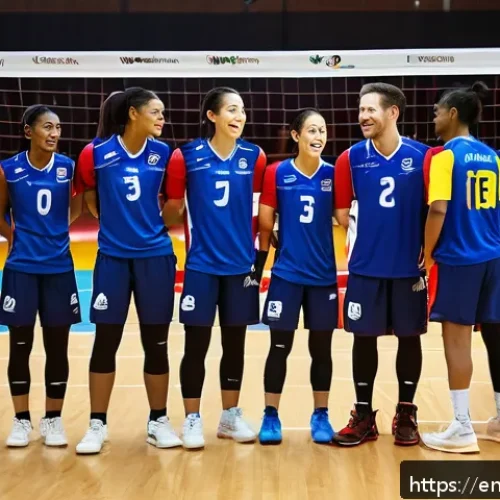
Volleyball teams and players increasingly value personalization and style, leading to a surge in customizable uniforms and trendy designs. Whether it’s vibrant colors, unique patterns, or player names and numbers, apparel has become a way to express identity on the court.
I’ve noticed that teams with customized gear often feel a stronger sense of unity and pride, which can boost morale and team spirit. This trend also opens doors for merchandising opportunities, blending performance with marketability.
Technology’s Role in Enhancing Training and Game Analysis
Wearable Devices for Performance Tracking
In recent years, wearable tech like smartwatches and motion sensors have become integral to volleyball training. These devices track metrics such as jump height, movement speed, and heart rate, providing invaluable data for players and coaches.
I’ve used some of these gadgets during practice, and they offer insights that traditional coaching couldn’t easily capture. This data-driven approach helps tailor training plans to individual needs, improving efficiency and reducing overtraining risks.
Video Analytics and Virtual Coaching
Video technology has transformed how volleyball skills are analyzed. Slow-motion replays and motion-capture software allow players to scrutinize their technique in unprecedented detail.
I recall reviewing footage of my serves and realizing subtle flaws that once went unnoticed. Virtual coaching platforms also provide remote access to expert advice, making high-level training more accessible.

These tools elevate both individual skill development and team strategy formulation.
Smart Balls and Sensor-Embedded Equipment
Emerging smart volleyballs equipped with embedded sensors can track spin, speed, and trajectory in real time. Although still a niche market, I’ve experimented with these balls during training sessions, and the instant feedback helps refine technique more effectively than guesswork alone.
This innovation represents a future where data and physical skill merge seamlessly, pushing volleyball performance to new heights.
Summary of Key Equipment Innovations
| Equipment | Traditional Features | Modern Advancements | Player Benefits |
|---|---|---|---|
| Volleyball Ball | Leather, heavy, water-absorbent | Synthetic composites, aerodynamic panels, moisture-wicking surface | Consistent flight, better grip, durability |
| Shoes | Basic soles, limited grip | Gum rubber soles, cushioning, breathable mesh | Improved traction, impact absorption, comfort |
| Protective Gear | Bulky pads, limited flexibility | Ergonomic knee pads, braces with compression, sensor integration | Enhanced safety, mobility, injury prevention |
| Apparel | Cotton fabrics, simple cuts | Moisture-wicking, ergonomic designs, customizable styles | Comfort, mobility, team identity |
| Training Tech | Manual observation | Wearables, video analytics, smart balls | Performance tracking, technique improvement |
The Shift Toward Sustainability in Volleyball Gear
Eco-Friendly Materials in Manufacturing
Recently, I’ve noticed a growing trend toward using recycled and biodegradable materials in volleyball equipment production. Brands are experimenting with plant-based fabrics, recycled plastics, and eco-friendly dyes to reduce environmental impact.
For instance, some shoes now incorporate soles made from natural rubber and uppers from recycled polyester. This shift not only appeals to environmentally conscious players but also encourages the industry to adopt more sustainable practices without compromising performance.
Durability and Longevity as Sustainability Factors
Sustainability isn’t just about materials—it also involves designing gear that lasts longer. I’ve found that investing in high-quality equipment reduces the need for frequent replacements, which in turn lowers waste.
Manufacturers are focusing on durability by reinforcing stitching, improving material resilience, and offering repair services. This approach benefits players financially while promoting a more responsible consumption model within the volleyball community.
Recycling Programs and Community Initiatives
Some companies and clubs have started recycling programs where old volleyball gear can be returned and repurposed. I’ve participated in a local initiative that collected used knee pads and balls for refurbishment and redistribution to underprivileged teams.
These programs foster a sense of community and shared responsibility, demonstrating how sustainability can be integrated into sports culture. It’s inspiring to see how volleyball is evolving not just in technology but in social impact as well.
Customization and Personalization: Making Gear Truly Yours
Tailored Fit and Comfort Options
Today’s volleyball gear often comes with customization options that go beyond aesthetics. Shoes can be tailored for arch support or width, and apparel can be adjusted for specific body types to maximize comfort.
I once ordered a pair of custom insoles for my volleyball shoes, which drastically reduced foot fatigue and improved my jumping ability. Personalizing gear to fit individual needs enhances performance and reduces injury risk, making it a valuable option for serious players.
Design and Branding Choices
Custom designs, logos, and color schemes allow teams and players to express identity and foster team spirit. I’ve seen clubs invest in unique kits that stand out during tournaments, boosting morale and creating a professional image.
For individual players, personalized gear can also serve as a motivational tool, reminding them of their goals and dedication every time they step on the court.
Technological Integration in Custom Gear
Some advanced customization services now integrate technology such as embedded sensors or communication devices directly into gear. For example, smart jerseys can monitor heart rate or hydration levels, providing real-time health data.
I’ve tested these features during training, and the insights helped me adjust my intensity and rest periods effectively. This blend of personalization and tech innovation represents the next frontier in volleyball equipment.
Future Prospects: What’s Next for Volleyball Gear?
Artificial Intelligence and Machine Learning Applications
Looking ahead, AI-driven gear could revolutionize how players train and compete. Imagine shoes that adapt cushioning in real-time based on movement patterns or balls that provide instant feedback on spin and velocity through connected apps.
I’m excited about the potential of these technologies because they offer tailored performance enhancements that evolve with the player’s skill level.
Advanced Materials and Nanotechnology
Nanotechnology promises to bring ultra-lightweight, super-durable, and self-cleaning materials to volleyball gear. These innovations could reduce maintenance and enhance performance simultaneously.
I’ve read about fabrics that repel dirt and moisture at the molecular level, which would be a huge advantage for players competing in diverse environments.
Virtual Reality and Augmented Reality Training
Finally, VR and AR technologies are poised to transform volleyball training by simulating game scenarios and providing immersive skill drills. I’ve experienced AR training modules that overlay tactical advice and corrective cues during practice sessions, making learning more interactive and engaging.
This tech not only accelerates skill acquisition but also makes training more enjoyable, promising a bright future for volleyball players at all levels.
Conclusion
The evolution of volleyball gear has truly transformed the game, enhancing both player performance and safety. From innovative materials to smart technology, each advancement reflects a commitment to excellence and player experience. As the sport continues to grow, these improvements will keep pushing the boundaries of what athletes can achieve on the court.
Useful Information to Remember
1. Modern volleyball balls use synthetic materials that offer better grip, consistency, and durability compared to traditional leather balls.
2. Specialized volleyball shoes feature advanced cushioning and grip technologies to support quick movements and reduce injury risk.
3. Protective gear has become lighter and more ergonomic, allowing players to stay agile while staying safe during intense gameplay.
4. Moisture-wicking and breathable apparel improve comfort and mobility, helping players maintain focus during long matches.
5. Cutting-edge training technologies, like wearable devices and smart balls, provide valuable data to refine skills and boost performance.
Key Takeaways
Volleyball equipment has shifted dramatically from basic, often cumbersome designs to highly engineered gear tailored for optimal performance and protection. Embracing innovations such as advanced materials, ergonomic fits, and integrated technology not only enhances player comfort and safety but also elevates the overall level of play. Staying informed about these developments helps athletes select the best gear for their needs, ensuring they can compete confidently and effectively.
Frequently Asked Questions (FAQ) 📖
Q: How has volleyball ball technology evolved over the years?
A: Volleyball balls have come a long way from the early days when they were made of heavy leather, which could absorb water and become even heavier during play.
Today’s balls use advanced synthetic materials that are lighter, more durable, and water-resistant. These modern designs also feature aerodynamic panel patterns to improve flight stability and control, giving players a more consistent and predictable ball trajectory.
From my experience playing with both old-school and modern balls, the difference in feel and performance is huge—modern balls allow for faster, more precise plays.
Q: What types of protective gear are essential for volleyball players now?
A: Protective gear has significantly improved to help players stay safe and perform better. Knee pads are now made with high-density foam and ergonomic designs that offer better shock absorption and flexibility, which is a game-changer during dives and slides.
Ankle braces and supportive shoes with reinforced soles also help prevent common injuries. I’ve personally noticed that wearing well-fitted knee pads and quality shoes reduces soreness after intense matches, making recovery easier and helping me stay on the court longer.
Q: How do modern volleyball shoes differ from older versions?
A: Modern volleyball shoes are engineered with cutting-edge materials and technology to enhance grip, cushioning, and support. Unlike older shoes that were often heavy and less breathable, today’s shoes use lightweight mesh uppers and specialized soles that provide excellent traction on indoor courts.
This means quicker lateral movements and reduced risk of slipping. I’ve tried several brands, and the ones with advanced cushioning systems really help minimize impact on my knees and ankles, allowing me to play more aggressively without worrying about injury.