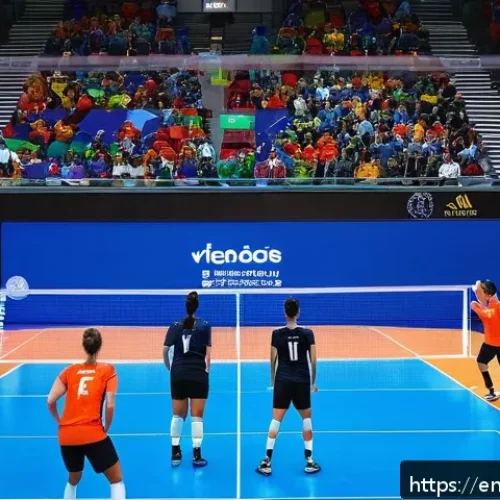
Serving is the first and one of the most critical actions in volleyball, setting the tone for the entire rally. A powerful and well-placed serve can disrupt the opponent’s formation, forcing errors and giving your team a strategic edge.

Whether it’s a jump serve, float serve, or topspin, mastering different techniques allows players to adapt and keep opponents guessing. Over time, I’ve realized that effective serving isn’t just about strength—it’s about precision, timing, and reading the game.
Let’s dive deeper to understand how to make your serve a real game-changer!
Refining Your Serve Mechanics for Maximum Impact
Understanding the Role of Body Position
Perfecting your serve starts with mastering your body positioning. I’ve found that standing too rigid or too relaxed can drastically alter the ball’s trajectory and speed.
When I serve, I make sure my feet are shoulder-width apart, providing a solid base that allows for a smooth transfer of energy from my legs through my arm.
Leaning slightly forward helps me generate momentum, while keeping my shoulders squared ensures the ball goes exactly where I want it. This setup isn’t just about comfort; it’s the foundation for a powerful and controlled serve that can catch opponents off guard.
Timing the Toss with Precision
The toss is often overlooked but is crucial to a successful serve. From my experience, an inconsistent toss means an inconsistent serve. I focus on tossing the ball just high enough to give myself time to swing through fully but not so high that I lose control.
The ball should rise straight up in front of me, allowing me to meet it at the peak of my reach. Practicing this timing repeatedly has helped me reduce serve errors and improved my overall confidence on the court.
It’s like setting the stage—if the toss is off, everything else falls apart.
Arm Swing and Follow-Through Techniques
The power behind a serve comes from a coordinated arm swing and follow-through. I learned that snapping the wrist at the moment of contact adds extra spin and speed, which can really throw off the receiver.
The arm should accelerate smoothly, starting from the shoulder, flowing through the elbow, and finishing with a strong wrist snap. After hitting the ball, following through by extending the arm forward helps maintain accuracy and momentum.
Over time, this technique became second nature, and I noticed a clear difference in my serve’s effectiveness.
Decoding Serve Types to Keep Opponents Guessing
The Float Serve: A Deceptive Weapon
The float serve is all about unpredictability. When I first tried this serve, I realized it’s less about sheer power and more about making the ball move erratically in the air.
The lack of spin causes the ball to wobble and dive suddenly, forcing the other team to scramble. To execute a float serve, I focus on striking the ball with a firm, flat hand without any wrist snap.
The result is a serve that looks easy but is tough to handle, especially under pressure.
Jump Serve: Combining Power and Aggression
I admit, the jump serve intimidated me at first, but once I got the hang of it, it became my go-to aggressive weapon. This serve requires explosive leg power to launch yourself into the air, giving you a higher contact point and more velocity.
Timing is everything here—jumping too early or too late ruins the rhythm. The added height and topspin create a serve that zips past blockers and defenders, often resulting in aces or weak returns.
It’s physically demanding but incredibly rewarding when executed right.
Topspin Serve: The Perfect Blend of Control and Speed
The topspin serve is my favorite when I want a balance of speed and precision. By brushing the ball with a strong upward and forward motion, I impart topspin that causes the ball to dip sharply as it crosses the net.
This drop can catch receivers off guard, especially if they’re expecting a float serve or a slower toss. It requires a strong wrist snap and a consistent arm swing, but once mastered, it’s a versatile serve that fits many game situations.
Reading the Opponent to Customize Your Serve Strategy
Analyzing Receiver’s Positioning
One thing I’ve learned over countless matches is that knowing where your opponent is standing can help you decide where to serve. If the receiver is too close to the baseline, a short serve can force an awkward return.
Conversely, if they’re deep, aiming for the back corners can push them out of position. Watching their posture and readiness also gives clues—if they’re on their toes and ready to move quickly, mixing up your serve with float or topspin can disrupt their rhythm.
Adapting Serve Style Mid-Game
Flexibility is key in volleyball serving. I always try to switch my serve style depending on how the game is unfolding. If the opposing team is handling my jump serves well, I might switch to a float serve to throw them off.
This adaptability keeps them guessing and prevents them from settling into a comfortable reception pattern. It’s like a mental chess game where every serve can shift momentum.
Exploiting Weaknesses Through Targeted Serves
During warm-ups and early game rallies, I pay attention to which players struggle with certain serves. Maybe a player has trouble reading the spin or tends to misjudge short serves.
I exploit these weaknesses by consistently targeting those areas, often scoring easy points or forcing errors. This strategic serving isn’t just about power; it’s about observation and patience, turning small advantages into big gains.
Building Consistency Through Practice and Mental Focus
Drills That Reinforce Muscle Memory
From my experience, the key to a reliable serve lies in repetition. Practicing specific drills, like serving into marked zones or alternating between different serve types, helps build muscle memory.
One drill I love is serving ten balls in a row aiming for a small target area. It’s frustrating at first, but over time, it sharpens precision. Consistent practice turns the serve from a stressful moment into a confident routine.

Managing Serve Pressure During Matches
Serving in a tight match can be nerve-wracking, and I’ve felt my hands shake more times than I care to admit. What’s helped me is focusing on my breathing and visualizing a successful serve before stepping up.
I remind myself that every player misses sometimes; it’s about resetting quickly. This mental approach reduces anxiety and helps maintain focus, which directly translates to better serve execution.
Tracking Progress to Stay Motivated
Keeping a serve log has been surprisingly motivating. Recording how many serves land in, how many aces I get, and noting patterns in errors gives me concrete feedback.
It’s encouraging to see improvement over weeks and months, and it guides my practice sessions. This habit keeps me engaged and constantly striving for better.
Common Serve Mistakes and How to Fix Them
Inconsistent Tosses Leading to Faults
One of the biggest serve killers I’ve encountered is a poor toss. Tossing the ball too far forward, backward, or to the side makes it difficult to hit cleanly.
To fix this, I practice tossing the ball up with the same arm each time, aiming for a height slightly above my reach and directly in front of my hitting shoulder.
This consistency drastically reduces serve faults.
Overhitting the Ball and Losing Control
Trying to serve too hard often backfires, causing the ball to sail out of bounds. I’ve had to learn to balance power with control by focusing on a smooth swing and proper follow-through instead of just brute force.
Slowing down just a bit and aiming for placement rather than speed can be surprisingly effective.
Neglecting Follow-Through and Its Effects
Skipping the follow-through can make serves less accurate and decrease spin or speed. I remind myself after every serve to extend my arm fully and let the momentum carry through.
This small adjustment has made my serves more consistent and harder to predict.
How to Use Serve Data to Elevate Your Game
Tracking Serve Types and Success Rates
I started logging serve types during games to see which ones work best against specific opponents. For example, I noticed my float serves yielded more aces against teams that rely heavily on jump receptions.
This data-driven approach helps me plan serve strategies instead of guessing.
Analyzing Serve Placement for Optimal Results
Mapping where my serves land has been eye-opening. I realized that aiming for deep corners yielded more weak returns, whereas serves down the middle often resulted in easy passes for opponents.
This insight pushes me to diversify my serve placement deliberately.
Using Technology for Serve Improvement
If you have access to video analysis tools or apps, reviewing your serves can reveal subtle flaws you might miss during play. Watching slow-motion replays helped me identify issues with my toss and arm swing, allowing me to make targeted corrections.
Technology, combined with practice, can accelerate serve mastery.
| Serve Type | Key Characteristics | Best Used When | Common Challenges |
|---|---|---|---|
| Float Serve | Minimal spin, unpredictable flight | Disrupting rhythm, against strong passers | Requires precise contact, easy to mis-hit |
| Jump Serve | High contact point, powerful topspin | Aggressive scoring, catching blockers off guard | Physically demanding, timing sensitive |
| Topspin Serve | Spinning ball that drops quickly | Combining speed and control, versatile situations | Needs strong wrist snap and consistency |
글을 마치며
Mastering your serve is a game-changer that combines technique, strategy, and mental focus. Through consistent practice and thoughtful adjustments, you can transform your serve into a powerful weapon on the court. Remember, every player’s style is unique—finding what works best for you is key to standing out and gaining the upper hand during matches.
알아두면 쓸모 있는 정보
1. Consistency in your toss is the foundation of a reliable serve; practice tossing to the same spot every time to reduce faults.
2. Mixing serve types like float, jump, and topspin keeps your opponents guessing and disrupts their rhythm.
3. Observing your opponent’s positioning and reactions helps you tailor your serve placement for maximum impact.
4. Mental preparation, including breathing techniques and visualization, can dramatically improve serve performance under pressure.
5. Utilizing technology such as video analysis can reveal subtle flaws and accelerate your improvement.
중요 사항 정리
Effective serving is a blend of precise mechanics, strategic variation, and mental resilience. Prioritize a consistent toss and controlled arm swing to enhance accuracy and power. Adapt your serve style based on your opponent’s weaknesses and court positioning to maintain unpredictability. Lastly, incorporate regular practice drills and mental focus techniques to build confidence and ensure steady progress in your serve game.
Frequently Asked Questions (FAQ) 📖
Q: What are the key differences between a jump serve, float serve, and topspin serve?
A: Each serve style brings its own strategic advantage. A jump serve combines power and speed by launching the ball with a leap, making it harder for opponents to predict and receive.
The float serve, on the other hand, uses minimal spin, causing the ball to move unpredictably in the air, which can confuse the receiver’s timing. Lastly, the topspin serve adds forward spin, making the ball dip quickly after crossing the net, often catching defenders off guard.
Personally, I’ve found mixing these serves keeps my opponents on their toes, preventing them from settling into a comfortable rhythm.
Q: How can I improve my serving accuracy and consistency?
A: Improving accuracy comes down to focusing on your toss, body positioning, and follow-through. I recommend practicing a consistent toss height and location every time, as this sets the foundation for a reliable serve.
Also, pay close attention to your foot placement and body alignment toward your target area. Consistent follow-through ensures the ball goes where you intend.
When I started concentrating on these details, my serve errors dropped significantly, and I felt more confident during matches. Drilling serves regularly under game-like pressure also makes a huge difference.
Q: Why is reading the opponent important when serving, and how can I do it effectively?
A: Reading your opponent helps you decide where and how to serve to maximize pressure. For example, if you notice a weaker passer or a player who struggles with float serves, targeting them can lead to errors and easy points.
To do this effectively, watch how the opposing team sets up their defense and who moves the least or reacts slowly. During warm-ups or early in the match, I pay attention to these tendencies and adjust my serving strategy accordingly.
This tactical approach often shifts momentum in your favor by forcing the other team out of their comfort zone.