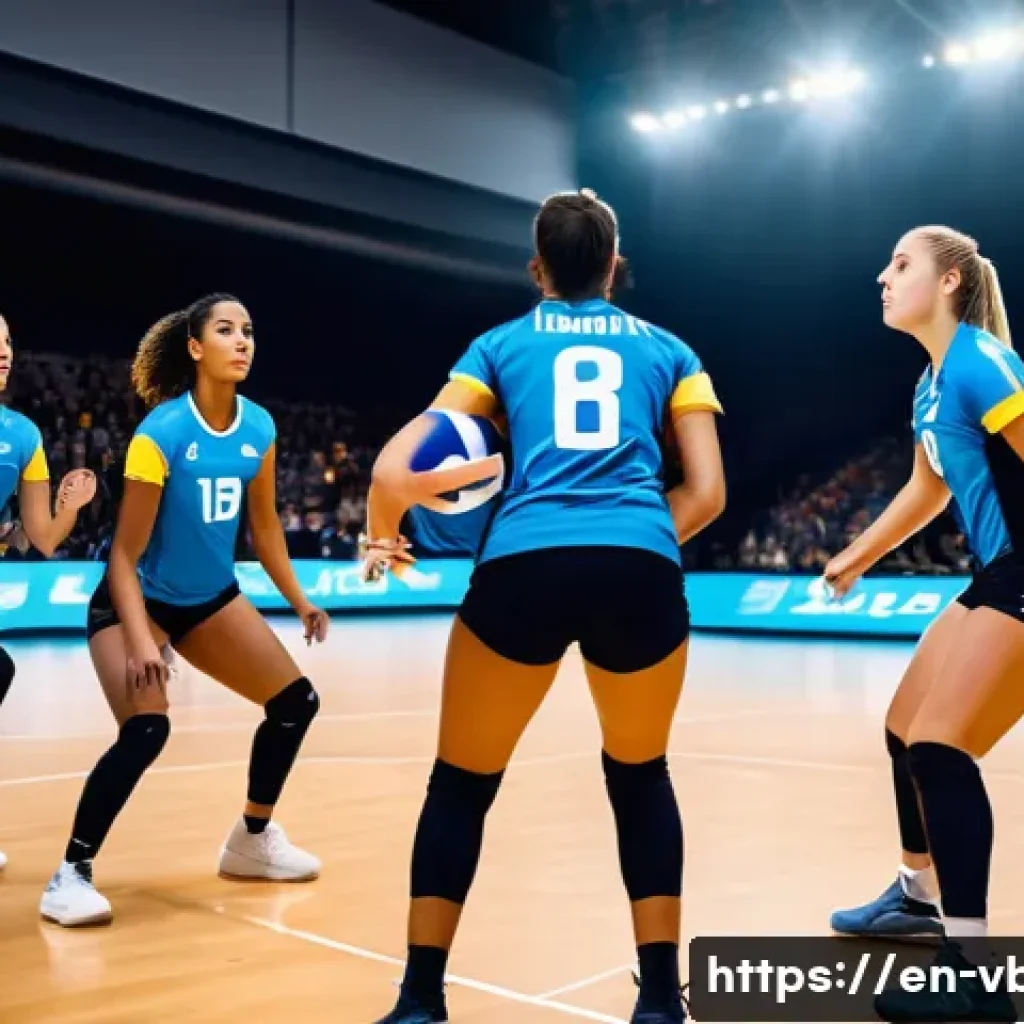
Mastering effective strategies during a volleyball match can be a game-changer, transforming tight moments into clear victories. Whether it’s a well-timed serve, a clever formation shift, or a surprise attack, the right tactic can disrupt your opponent’s rhythm and boost your team’s confidence.
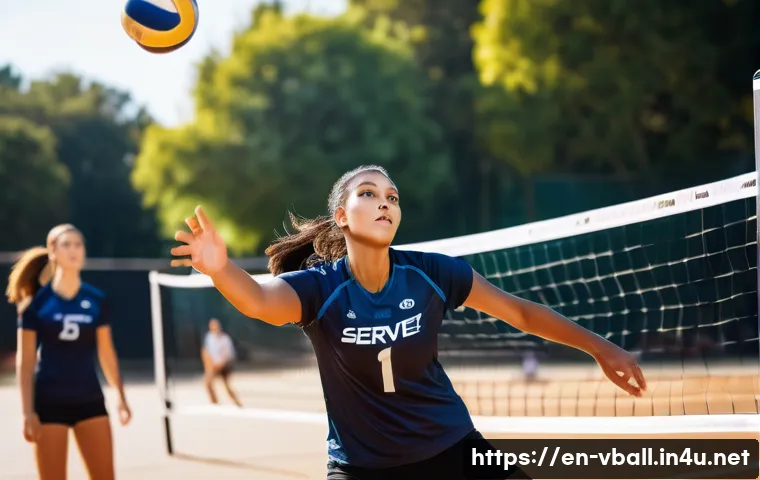
From my own experience on the court, I’ve seen how quickly a smart play can turn the tide. Understanding these nuances not only sharpens your skills but also elevates the entire team’s performance.
Let’s dive deeper and explore how to apply these strategies efficiently in real game situations!
Adapting Defensive Formations to Control the Game
Reading the Opponent’s Attack Patterns
One of the most underrated skills in volleyball is the ability to anticipate where the opponent will strike next. From my experience playing defense, the moment you recognize a hitter’s preferred angles or tendencies, you gain a huge advantage.
It’s not just about reacting quickly but proactively positioning yourself to intercept or block effectively. Watching body language, arm swing speed, and foot placement gives clues that can’t be ignored.
When you can predict the attack, you reduce your team’s vulnerability and increase your chance to launch a counterattack seamlessly.
Shifting Between Defensive Alignments
Switching between a perimeter defense and a rotational defense mid-rally can confuse attackers and create openings. I’ve noticed that teams stuck in one defensive setup become predictable, allowing opponents to exploit weak zones.
Practicing quick transitions during training builds muscle memory so that in the heat of a match, players shift smoothly without communication breakdowns.
It’s essential for every player to know their role during these shifts — even the libero must adjust position dynamically. The fluidity of these adjustments often forces attackers into hurried or off-balance hits, which your blockers and defenders can capitalize on.
Effective Communication to Maintain Cohesion
Communication isn’t just yelling “Mine!” or “Block!”—it’s about clarity and timing. On the court, I’ve seen how subtle calls like “line,” “cross,” or “tip” can alert teammates early, allowing them to prepare mentally and physically.
When everyone’s voice is heard and respected, the defense operates like a well-oiled machine. Beyond verbal cues, eye contact and hand signals add layers of understanding, especially in noisy arenas.
Teams that neglect this aspect often suffer from missed assignments and defensive lapses, leading to lost points.
Maximizing Serve Strategies for Momentum Shifts
Targeting Weak Passers
Serving is your first chance to disrupt the opponent’s rhythm, and targeting weaker passers can cripple their offensive setup. In my matches, pinpointing a less confident passer with a powerful jump serve or a tricky float serve often results in poor passes, allowing my team to set up an aggressive attack.
It’s not just about raw power; mixing serve types keeps receivers guessing and under pressure. Studying the opposing team’s lineup before the match helps in identifying these weak links, turning your serve into a strategic weapon.
Mixing Serve Types to Maintain Unpredictability
Relying solely on one serve style can make you predictable. Incorporating a blend of jump serves, float serves, and short serves keeps the opponents on their toes.
I remember a match where alternating between a deep float serve and a short, sharply angled serve completely threw off the opposing team’s passing formation.
This unpredictability often results in forced errors or suboptimal passes, giving your team the chance to dictate the rally. Practicing these serves regularly ensures you maintain accuracy while varying speed and trajectory.
Using Serves to Set Up Defensive Pressure
Beyond disrupting passes, serves can be used tactically to set up your defense for the next play. For example, serving aggressively to a specific zone can force the opponent’s setter into a predictable position, allowing your blockers to anticipate the attack.
I’ve found that when the team understands how to read the serve’s effect, we can coordinate blocks more effectively and reduce the opponent’s scoring options.
This synergy between serving and defensive strategy elevates the overall team performance.
Optimizing Offensive Plays Through Dynamic Positioning
Utilizing Quick Sets to Confuse Blockers
Quick sets are a fantastic way to keep blockers off balance, and from personal experience, they can turn a close match in your favor. When the setter delivers a fast, low trajectory set to the middle hitter, blockers have less time to adjust, often resulting in missed or mistimed blocks.
It takes excellent timing and trust between the setter and hitter, which only comes from consistent practice. These plays force the defense to stay alert and often open up opportunities for outside hitters as well.
Incorporating Back Row Attacks
Back row attacks add another layer of offense that can be a real headache for defenders. I’ve seen teams underestimate this strategy, but when executed well, it creates a dual threat that stretches the opposing block and defense.
It’s crucial for back row attackers to time their approach perfectly and for the setter to coordinate sets that disguise the intended hitter. This unpredictability keeps defenders guessing and can lead to easy points or forced defensive errors.
Exploiting Mismatches and Player Strengths
Tailoring offensive plays to exploit mismatches can dramatically improve scoring efficiency. For instance, if your middle blocker is faster than the opponent’s, running quick plays to that position capitalizes on their speed advantage.
From my observations, successful teams identify individual strengths and design plays that highlight those talents while minimizing weaknesses. This approach not only maximizes point production but also builds player confidence and team cohesion.
Enhancing Team Communication for Seamless Execution
Establishing Clear Call Systems
Having a standardized set of calls for different plays, positions, and defensive shifts is critical. I’ve been part of teams that wasted precious seconds due to unclear communication, and it’s frustrating.
When everyone knows the meaning behind each call, it reduces confusion and speeds up decision-making during rallies. For example, a call like “31” might indicate a quick set to the outside hitter, allowing everyone to prepare instantly.
Repetition during practice ensures that these calls become second nature.
Encouraging Positive and Constructive Feedback
Maintaining a positive atmosphere on the court helps players stay focused and motivated. In tense moments, it’s easy for frustration to mount, but constructive feedback and encouragement can turn things around.
I’ve found that teammates who support each other with calm reminders or praise after good plays keep morale high. This emotional resilience often translates into better execution and fewer mental errors during crunch time.
Using Non-Verbal Signals to Supplement Communication
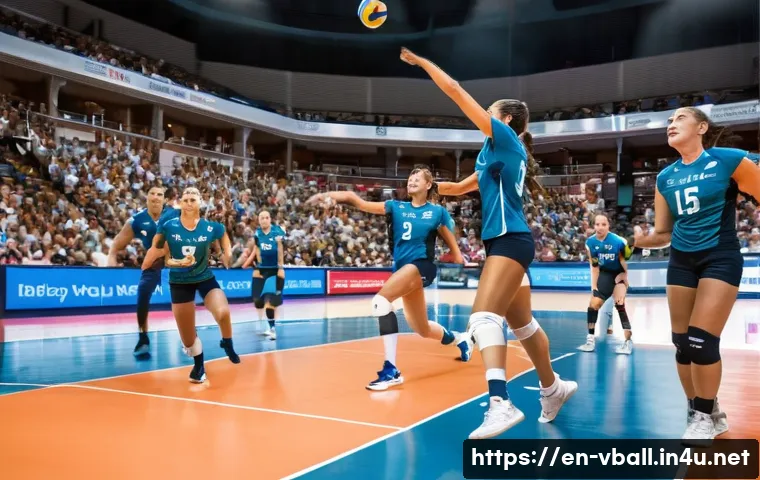
Sometimes, verbal communication isn’t enough, especially in loud environments. Incorporating hand signals or eye contact supplements verbal cues effectively.
For example, a setter might use a subtle hand motion to indicate the intended hitter without alerting the opponents. These non-verbal cues require trust and practice but provide a silent layer of coordination that can be the difference between a blocked attack and a successful point.
Mastering Serve Receive to Build Strong Attacks
Positioning for Optimal Passing Angles
Proper positioning during serve receive sets the foundation for a successful offensive play. From my experience, aligning slightly off-center to the server’s dominant hand improves the chances of a clean pass.
Players need to stay low, balanced, and ready to move quickly. Coaches often emphasize the importance of footwork here because even a slight misstep can lead to a sloppy pass.
When the ball consistently reaches the setter in a good spot, the entire offense runs smoother.
Communicating Early to Avoid Collisions
Serve receive often involves multiple players converging on the ball, so clear and early communication is vital to prevent collisions and confusion. Calling “mine” loudly and confidently helps teammates trust each other’s judgment and avoid hesitation.
I’ve played on teams where hesitation cost us crucial points, so establishing who takes each serve early is essential. This trust and clarity enable faster, more accurate passes to the setter.
Practicing Diverse Passing Drills to Build Confidence
Variety in practice drills reinforces passing skills under different scenarios. I’ve noticed that players who regularly practice receiving jump serves, float serves, and short serves tend to stay composed under pressure.
Drills that simulate game-like serve speeds and angles help build muscle memory and mental readiness. Confidence gained from these drills reflects in matches, reducing errors and improving overall team attack efficiency.
Leveraging Substitutions and Timeout Tactics
Strategic Player Substitutions to Exploit Matchups
Knowing when and whom to substitute can dramatically influence the flow of the game. In my experience, bringing in a fresh hitter against a tired or weaker blocker creates scoring opportunities.
Substitutions aren’t just about resting players; they’re tactical moves to exploit specific matchups. Coaches who analyze opponent tendencies and adjust lineups accordingly often gain a competitive edge.
Timing these substitutions during momentum shifts can also disrupt the opponent’s rhythm.
Using Timeouts to Reset and Refocus
Timeouts are precious chances to regroup, especially after losing a series of points. I’ve found that a well-timed timeout not only allows players to catch their breath but also gives the coach a moment to adjust strategies or reinforce key points.
Sometimes, just calming down the team and reminding them of their strengths can turn the tide. It’s important to use timeouts efficiently—too many or poorly timed ones can disrupt your own team’s momentum.
Communicating Adjustments During Breaks
Timeouts provide the perfect window to clearly communicate changes in strategy or focus areas. Coaches and captains who use this time to deliver concise, actionable feedback help players return to the court with renewed purpose.
In my own matches, I’ve seen how a quick reminder to watch a specific hitter or adjust the blocking scheme during a timeout led to immediate improvements.
The key is to keep instructions simple and positive to avoid overwhelming players.
| Strategy | Key Focus | Benefits | Implementation Tips |
|---|---|---|---|
| Defensive Formations | Anticipation, communication, shifting | Reduces opponent’s scoring chances, creates counterattacks | Practice shifts, develop call systems, watch opponent tendencies |
| Serve Strategies | Targeting weak passers, serve variety | Disrupts opponent rhythm, forces errors | Analyze opponent lineup, mix serve types, practice accuracy |
| Offensive Positioning | Quick sets, back row attacks, exploiting mismatches | Keeps blockers off balance, increases scoring options | Build setter-hitter timing, identify player strengths |
| Team Communication | Clear calls, positive feedback, non-verbal signals | Improves cohesion, reduces errors | Establish call vocabulary, encourage support, practice signals |
| Serve Receive | Positioning, communication, diverse drills | Enables strong offense, reduces serve errors | Focus on footwork, early calling, game-like practice |
| Substitutions & Timeouts | Matchup exploitation, momentum control | Enhances team energy, disrupts opponents | Analyze match flow, timeouts for focus, clear adjustments |
Concluding Thoughts
Mastering these volleyball strategies takes time and dedication, but the payoff is undeniable. By focusing on defensive adaptations, serve tactics, dynamic offense, and effective communication, teams can control the flow of the game and outsmart their opponents. From my experience, the most successful players and teams are those who continuously refine these skills and work seamlessly together. Remember, volleyball is as much a mental game as it is physical, and strategy plays a crucial role in consistent success.
Useful Tips to Keep in Mind
1. Always study your opponent’s attack patterns before and during the game to anticipate their moves better.
2. Practice shifting between different defensive formations to stay unpredictable and cover weak spots effectively.
3. Mix up your serve types regularly to keep the opposing passers under constant pressure and guessing.
4. Establish a clear and consistent communication system on the court, including verbal calls and non-verbal cues.
5. Use timeouts and substitutions strategically to maintain your team’s energy and disrupt the opponent’s momentum.
Key Takeaways for Volleyball Success
Developing a versatile defense that can adapt mid-play is essential to minimizing opponent scoring chances and creating counterattack opportunities. Serve strategies should focus on targeting weaker passers and maintaining unpredictability to destabilize the opposition’s offense. Offensively, leveraging quick sets, back row attacks, and player strengths maximizes scoring potential. Clear and positive communication enhances team cohesion and reduces errors, while effective serve receive positioning and drills lay the groundwork for strong attacks. Finally, smart use of substitutions and timeouts can shift momentum and exploit favorable matchups, giving your team a decisive edge.
Frequently Asked Questions (FAQ) 📖
Q: How can I decide which strategy to use during a volleyball match?
A: Choosing the right strategy depends largely on reading the flow of the game and your opponents’ weaknesses. For example, if you notice the opposing team struggles with receiving fast serves, a well-timed aggressive serve can disrupt their rhythm.
From my experience, communicating with teammates during breaks to adjust formations or focus on targeting specific players can make a huge difference.
Always stay flexible and ready to switch tactics based on what’s working or not.
Q: What’s the best way to practice surprise attacks effectively?
A: Surprise attacks rely on timing, unpredictability, and team coordination. In practice, work on quick set plays where your hitter approaches unexpectedly, maybe after a deceptive fake or a sudden change in tempo.
I found that drilling these plays repeatedly with your setter and hitters builds muscle memory and trust, so when it happens in a real match, it feels natural and catches the defense off guard.
Don’t forget to watch game footage to spot moments where a surprise attack could have shifted momentum.
Q: How can a team maintain confidence after making a risky strategic move?
A: Confidence comes from preparation and trust within the team. When you take a risk—like a tough serve or an unconventional formation—remind everyone that it’s part of the plan and that mistakes are okay.
In my experience, staying positive and focusing on the next play rather than dwelling on errors keeps the energy high. Celebrating small wins after a risky move, even if it doesn’t result in an immediate point, helps maintain morale and encourages the team to keep pushing forward.