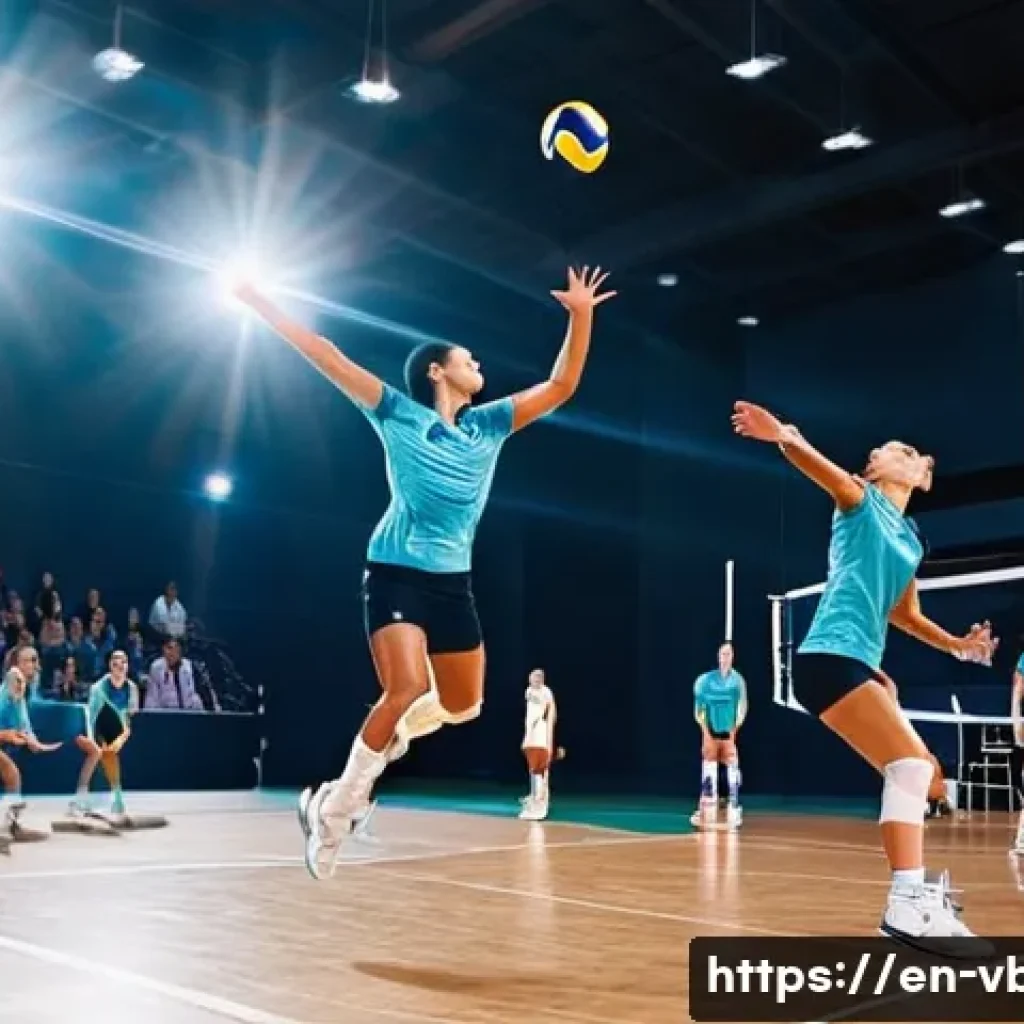
Understanding volleyball tactics goes far beyond just watching the game unfold on the court. It’s about recognizing the strategic moves that players make to outsmart their opponents, whether it’s a perfectly timed serve or a clever defensive formation.
As the sport evolves, so do the tactics, making it essential for enthusiasts and aspiring players to grasp these nuances. I’ve noticed firsthand how breaking down these strategies can elevate both appreciation and performance.
Let’s dive deeper and get a clear picture of volleyball player tactics in the following discussion!
Mastering the Art of Serving: More Than Just Power
Variety in Serve Types and Their Strategic Use
Understanding serving in volleyball isn’t just about who can hit the ball hardest. There’s a whole spectrum of serve types—float serves, jump serves, and topspin serves—each with unique advantages depending on the situation.
For example, a float serve can be unpredictable in its flight path, making it tough for receivers to judge, while a jump serve adds extra velocity and angle.
I’ve found that players who can switch between these serves mid-game often throw their opponents off balance, forcing them to adjust their reception patterns constantly.
Targeting Opponents’ Weak Spots
When watching high-level matches, one thing that stands out is how servers aim for the weakest passer on the other side. This is a tactical choice designed to disrupt the opponent’s offensive flow from the very first touch.
I recall a match where a player repeatedly served to the left-back defender, who struggled with quick reads. This pressure forced errors and gave the serving team an immediate edge.
So, serving isn’t random; it’s a calculated move to exploit vulnerabilities.
Using Serve Placement to Control the Game
Precision placement can be more effective than raw power. Serving close to the sidelines or deep into the corners limits the opponent’s options, often causing rushed or inaccurate passes.
From my experience playing recreational volleyball, even a moderately paced serve aimed accurately can cause more chaos than a fast but poorly placed one.
The best servers read the court, adjust their toss, and hit with intention to control the pace and flow of the rally right from the start.
Decoding Defensive Formations: The Backbone of Team Strategy
Understanding the Base Defensive Setup
The base defensive formation is the starting point for any volleyball team’s defense. Usually, this involves players spreading out to cover the court in zones or rotational patterns.
I’ve noticed that teams often rely on a 6-2 or 5-1 defensive setup depending on their roster’s strengths. The key is balance: covering the deep backcourt while remaining ready to move quickly for tips or roll shots.
This formation requires sharp communication and a shared understanding of responsibilities.
Adjusting to Opponent’s Attack Patterns
Defense isn’t static—it shifts depending on the opponent’s hitters and their tendencies. For instance, if the opposing outside hitter favors cross-court spikes, defenders will shift accordingly.
In matches I’ve watched, teams that adjust their block and back-row positioning dynamically tend to frustrate hitters and force errors. This adaptability is often the difference between a good defense and a championship-level one.
Communication and Reading the Play
Effective defense hinges on constant communication and anticipation. Players call out screens, hitter approaches, and potential tips. I’ve been on teams where the libero’s leadership in calling out plays helped prevent countless points.
Reading the setter’s body language and the hitter’s approach can give defenders split-second advantages to position themselves correctly. This mental aspect is as crucial as physical agility.
Offensive Tactics: Crafting Attacks That Break Through
Utilizing Quick Sets and Combination Plays
Quick sets are an offensive weapon that can catch blockers off guard by speeding up the attack tempo. When a middle hitter executes a rapid “1” set close to the net, it demands immediate reaction from blockers, often creating openings for outside hitters.
Combination plays, such as a “slide” or “back-row attack,” add layers of complexity, making it difficult for the defense to anticipate. From my observation, teams that master these plays often dominate in high-pressure situations.
Exploiting Weak Blocks and Defensive Gaps
A savvy attacker studies the opposing block and looks for seams to exploit. Whether it’s tooling the block (hitting the ball off the opponent’s hands out of bounds) or aiming for open court areas, precision and timing are everything.
I recall a player who consistently targeted the space between the middle and outside blocker, resulting in a high hitting percentage. Spotting and exploiting these gaps can dramatically increase offensive efficiency.
Mixing Power and Placement
Balancing hard-driven spikes with softer, well-placed shots like tips or roll shots keeps defenders guessing. A relentless power hitter may become predictable, but mixing in deceptive shots can disrupt the opponent’s rhythm.
In games I’ve played, adding a well-timed tip over the block often shifted momentum and scored crucial points.
Reading the Setter: The Playmaker’s Influence on Team Dynamics
Understanding Setter’s Role in Orchestrating Offense
The setter is often described as the quarterback of volleyball—and for good reason. They control the tempo, decide who gets the ball, and disguise their intentions to confuse the defense.
Watching a setter’s footwork, body position, and eye contact reveals clues about the upcoming play. From personal experience, setters who maintain calm under pressure can lift the entire team’s performance through smart distribution and quick decision-making.
Deception and Misdirection Techniques
Setters use feints and no-look sets to keep blockers guessing. I’ve seen matches where a setter’s subtle body shifts before the set caused the block to misread the attack direction, opening up scoring opportunities.
This mental chess game between setter and defense adds a thrilling layer to the sport that casual viewers might miss.
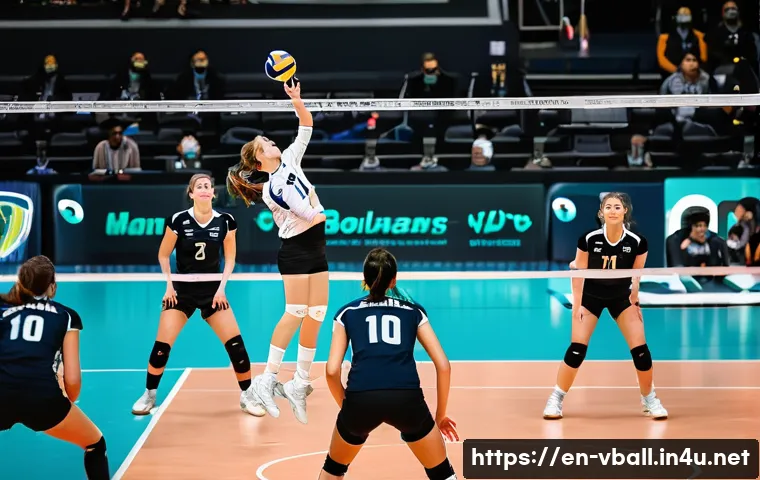
Syncing with Hitters for Maximum Efficiency
Trust and timing between setter and hitters are paramount. A well-timed jump set or a perfectly placed ball can turn a good hitter into an unstoppable force.
From what I’ve observed, teams that invest time in building this chemistry outperform others, especially in tight matches where every point counts.
Strategic Blocking: More Than Just Jumping High
Timing and Reading the Opponent’s Approach
Effective blocking depends on anticipating the hitter’s timing and angle. It’s not enough to jump high; blockers must read the hitter’s arm swing and approach steps to position themselves correctly.
In games I’ve watched, blockers who commit too early or jump too late often get beaten. The best blockers time their jump perfectly, cutting off angles and pressuring hitters into mistakes.
Forming Double and Triple Blocks
Sometimes a single blocker isn’t enough, so teams employ double or even triple blocks. Coordinating these requires precise communication and understanding of roles.
I’ve noticed that double blocks usually focus on the opponent’s strongest hitter, while leaving others to cover tips or off-speed shots. This balance is tricky but essential for effective defense.
Using Blocks to Create Offensive Opportunities
A well-placed block can turn defense into offense instantly. When blockers deflect the ball upward, it allows their teammates to set up quick counter-attacks.
From my playing experience, successful teams capitalize on block touches by staying alert and ready to transition quickly, turning what could be a defensive stop into an immediate point.
Adapting Mid-Game: Tactical Flexibility Under Pressure
Recognizing When to Shift Strategies
No game plan survives contact with the opponent unchanged. The ability to recognize when a tactic isn’t working and adjust on the fly is critical. I’ve seen teams stubbornly stick to a failing strategy and lose momentum, while others adapt by changing serving targets or switching defensive alignments to regain control.
This flexibility often reflects a team’s maturity and leadership quality.
Utilizing Timeouts and Substitutions Effectively
Timeouts are more than just breaks—they’re opportunities to reset, refocus, and tweak tactics. Coaches and captains use these moments to communicate observations and suggest adjustments.
Substitutions can also bring fresh energy or specific skill sets to counter opponents’ strengths. I’ve witnessed matches where a well-timed substitution changed the course of the game entirely.
Maintaining Mental Toughness During Tactical Changes
Tactical shifts can unsettle players if not managed well psychologically. Keeping the team composed and confident during changes is essential. From my perspective, experienced players act as anchors, helping teammates embrace adjustments without losing focus or morale.
This mental resilience is often what separates winners from the rest.
Key Tactical Elements at a Glance
| Aspect | Primary Focus | Common Techniques | Impact on Game |
|---|---|---|---|
| Serving | Disrupt reception | Float serve, jump serve, placement targeting weak passers | Sets tone, creates immediate pressure |
| Defense | Block attacks, coverage | Base formations, dynamic shifting, communication | Limits opponent scoring, forces errors |
| Offense | Score points efficiently | Quick sets, combination plays, power and placement mix | Breaks through blocks, keeps defense guessing |
| Setting | Orchestrate attacks | Deception, timing, syncing with hitters | Controls game tempo, creates scoring chances |
| Blocking | Stop attacks | Timing, double/triple blocks, transition from block to offense | Directly prevents points, enables counters |
| Adaptability | Respond to game flow | Strategy shifts, timeouts, substitutions | Maintains momentum, counters opponent adjustments |
Wrapping Up
Mastering volleyball tactics requires more than just physical skill; it demands strategic thinking and adaptability. From serving with purpose to reading the setter’s cues, every element plays a vital role in shaping the game. Whether you’re a player or a fan, understanding these nuances enhances appreciation and performance. Keep practicing these insights, and you’ll see your game elevate to a new level.
Useful Tips to Remember
1. Vary your serves to keep opponents guessing—mix float, jump, and topspin serves for maximum impact.
2. Target the opponent’s weakest passers to create pressure and force errors early in the rally.
3. Communicate constantly on defense, calling out plays and adjusting formations based on the opponent’s attack.
4. Develop strong chemistry with your setter to improve timing and execute deceptive plays effectively.
5. Stay mentally flexible during matches by embracing tactical changes and using timeouts strategically to regroup.
Essential Takeaways
Volleyball success hinges on a blend of precise technique, smart strategy, and mental resilience. Serving is a tactical weapon, not just a power move, while defensive formations and communication form the foundation of solid team play. Offense thrives on quick decision-making and exploiting weaknesses, supported by a setter’s orchestration and deceptive skills. Effective blocking involves timing and teamwork, and the ability to adapt mid-game often distinguishes champions. Embracing these core principles will transform how you approach the game and elevate your performance consistently.
Frequently Asked Questions (FAQ) 📖
Q: What are some common offensive tactics used by volleyball players to gain an advantage?
A: Offensive tactics in volleyball often revolve around creating unpredictable attacks to confuse the opposing team. Players frequently use a mix of quick sets, back-row attacks, and varying spike placements to keep defenders guessing.
For example, a well-timed quick set to the middle hitter can catch blockers off guard, while a deceptive tip over the net can exploit open spaces. From my experience watching and playing, mixing up attack styles rather than sticking to predictable spikes significantly increases scoring opportunities.
Q: How do defensive formations impact a team’s ability to stop powerful attacks?
A: Defensive formations are crucial for anticipating and neutralizing opponents’ attacks. Teams often shift between formations like the perimeter defense or rotational defense depending on the hitter’s tendencies and the game situation.
For instance, placing players deeper near the backline helps defend against powerful spikes, while a more compact setup can better handle quick, angled shots.
In matches I’ve observed, teams that communicate well and adjust their defense dynamically tend to minimize points lost on hard-driven attacks.
Q: How important is communication among players when executing volleyball tactics?
A: Communication is absolutely vital in volleyball tactics; it’s the glue that holds all strategic elements together. Whether calling out who will take the next ball, signaling the type of play, or warning teammates about the opponent’s setup, clear and quick communication can make or break a play.
From my own playing days, I’ve seen that teams with strong verbal and non-verbal communication consistently outperform those that rely solely on individual skill, as coordinated moves create more effective offensive and defensive plays.