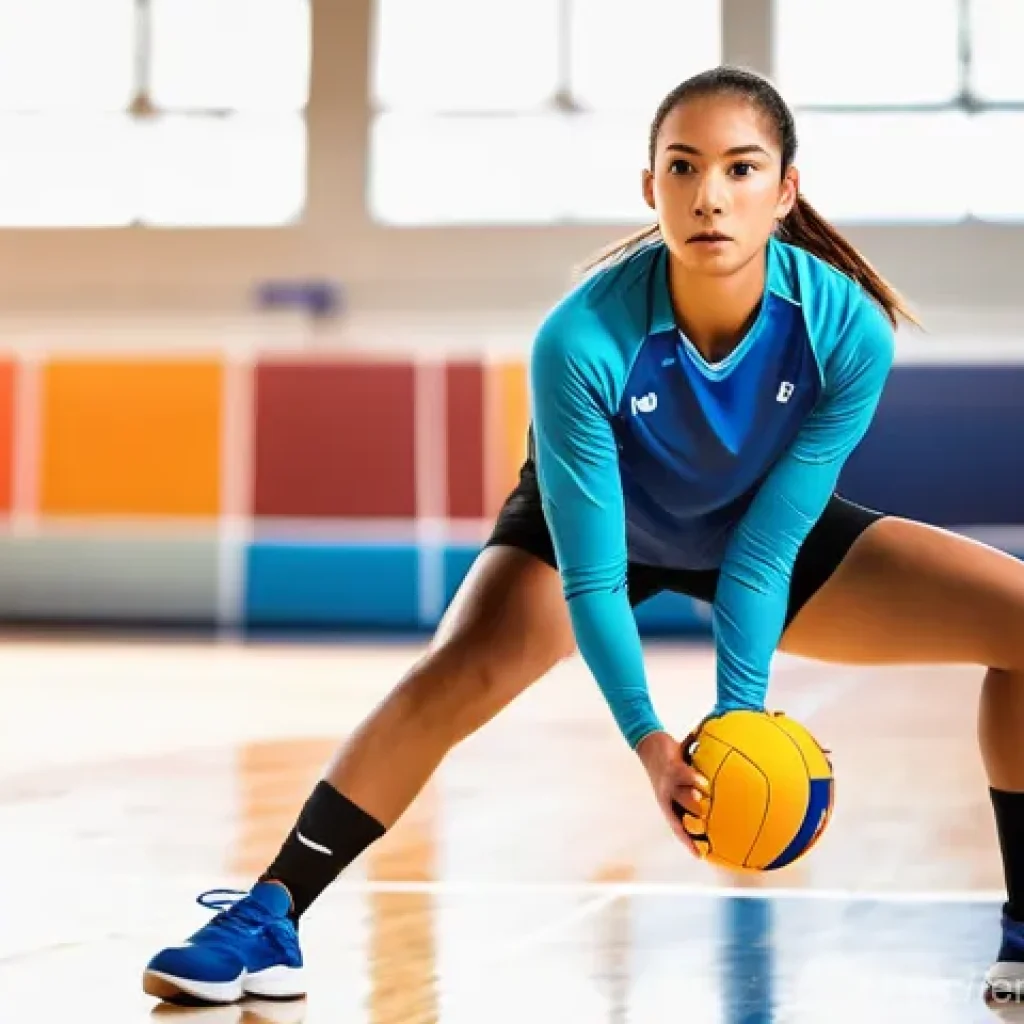
Hey there, future volleyball superstar! Ever felt that thrill watching a killer spike or an incredible save and thought, “I want to do that”? Trust me, you’re not alone.
Volleyball is absolutely exploding right now, sweeping across schools, parks, and even our social media feeds. It’s truly amazing to see how many new faces are falling in love with this dynamic sport, and for good reason!
It’s more than just a game; it’s a fantastic full-body workout, a brilliant way to relieve stress, and an unbeatable opportunity to connect with some amazing people.
I’ve seen firsthand how volleyball builds incredible friendships and boosts confidence, no matter your skill level. Stepping onto the court for the first time can feel a little daunting, I know!
You might be wondering about all those rules, how to actually hit the ball correctly, or even just where to stand. But honestly, every single player, from Olympic champions to casual weekend warriors, started right where you are.
This guide is your perfect first step, cutting through the confusion and getting you straight to the fun parts. We’ll dive into everything you need to know to get started, from basic serves to finding your rhythm on the court.
It’s time to unleash your inner athlete and discover the pure joy of the game. Let’s make sure you hit the ground running, and more importantly, having an absolute blast!
We’re going to get you serving, bumping, and setting like a pro in no time at all. Let’s explore it right now and start your amazing volleyball journey!
Getting Your Gear On: What You Really Need
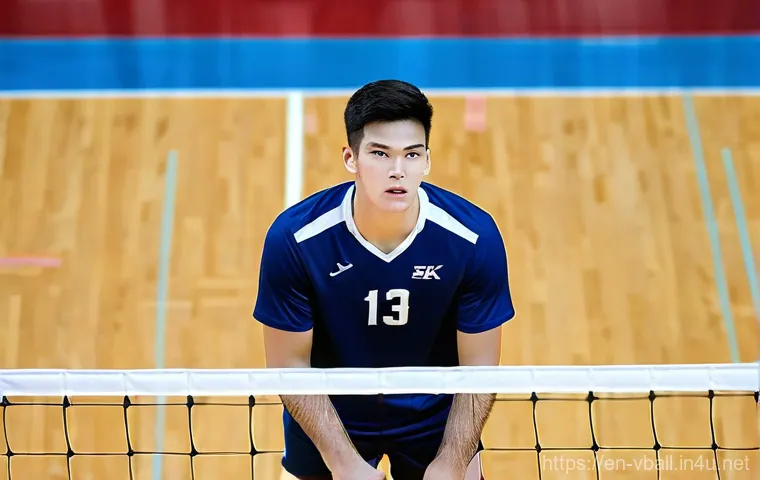
Alright, so you’re pumped to hit the court, right? But before you can unleash your inner volleyball beast, let’s talk gear. Don’t worry, you don’t need to break the bank or get all fancy right from the start. What I’ve seen time and time again is that beginners often overthink this part, but it’s actually pretty simple. The absolute essentials are comfortable athletic wear and a good pair of court shoes. Trust me on the shoes – those worn-out running sneakers won’t cut it. Volleyball involves a lot of quick lateral movements, jumping, and stopping, and proper court shoes (like basketball or specific volleyball shoes) provide the ankle support and grip you desperately need. I remember my first few games trying to play in regular trainers, and my ankles paid the price! It’s not just about performance; it’s about preventing injuries, which nobody wants. Beyond that, knee pads are a lifesaver, especially if you’re not afraid to dive for a ball. I honestly thought they were optional at first, but after a few bruised knees, I became a true believer. They really build confidence to go for those tough digs. Hydration is also key, so a good water bottle is a must. Really, that’s all you need to get started and have a blast!
Choosing the Right Shoes for the Court
When you’re out there on the court, your feet are doing a serious workout – jumping, pivoting, landing. That’s why your shoes are arguably the most crucial piece of equipment. From my own experience, investing in a decent pair of court shoes makes a world of difference. Look for shoes with good ankle support to prevent twists and sprains, and a grippy sole that won’t have you slipping and sliding all over the place. Brands like Asics, Mizuno, and Nike are popular choices, but honestly, it’s more about the fit and feel for *your* feet. Try them on, jump around a bit in the store, and see how they feel. Don’t just grab the cheapest pair; think of it as an investment in your safety and comfort. A good fit will make you feel more agile and confident in every move you make, and that’s priceless when you’re learning the ropes.
Knee Pads: Your Best Friends on the Floor
Okay, let’s be real, diving for a ball can look intimidating, right? But with the right knee pads, you’ll be much more willing to get down and dirty. I used to think knee pads were just for the pros, but after a particularly painful encounter with a hard gym floor, I quickly changed my tune. They’re not just about preventing scrapes; they provide crucial cushioning and protection for your kneecaps. When you’re learning, you’ll likely be hitting the floor more often as you get accustomed to the movements and how to properly sprawl or dive. A good pair of knee pads gives you the confidence to extend for those difficult shots, knowing you’ve got a soft landing. They should fit snugly but not too tightly, allowing for full range of motion. Believe me, your knees will thank you later!
Mastering the Basics: Your First Steps on the Court
Alright, you’ve got your gear, you’re ready to go! Now, let’s talk about the absolute fundamental skills that will get you playing and enjoying the game. I remember when I first started, everything felt a bit awkward – like my arms were just flailing around. But with a little practice, these core techniques become second nature. We’re talking about the bump (or forearm pass), the set, and the serve. These three are the building blocks of every rally, and focusing on them first will make a huge difference in your early game. Don’t get discouraged if you don’t nail them perfectly right away; nobody does! It’s all about repetition and getting a feel for the ball. What I’ve found is that breaking each skill down into smaller steps really helps, and focusing on proper form from the get-go prevents bad habits later on. You’ll be amazed at how quickly you pick things up once you understand the mechanics.
The Forearm Pass (Bump): Your Foundation Skill
The forearm pass, often called a “bump,” is probably the first skill you’ll learn, and it’s truly the backbone of receiving the ball. When a serve or attack comes over the net, this is your primary way to control it and send it to your setter. I always tell new players to imagine creating a flat, stable platform with their forearms. You want to connect your hands firmly together, keep your arms straight (but not stiff!), and use your legs to drive through the ball, not your arms. Think of it as a squat and extension. The ball should hit the fleshy part of your forearms, just above your wrists, giving you the most control. My biggest mistake when I started was swinging my arms, which sent the ball all over the place. Focus on getting *under* the ball and letting your legs do the work. Practice against a wall or with a partner, trying to direct the ball consistently. You’ll feel like a pro once you can reliably pass the ball!
The Set: The Art of Precision
Once you’ve bumped the ball, the next crucial step is usually the set. This is where you prepare the ball for an attacker to spike it over the net. A good set is all about delicate control and placement. You’ll use your fingertips, forming a “triangle” or “diamond” shape with your thumbs and index fingers, right above your forehead. When the ball comes down, you want to push it up with a soft touch, using your legs and wrists to propel it. It’s not a shove; it’s a gentle, controlled push. The goal is to put the ball in a perfect position for a teammate to hit it. I used to struggle with setting the ball too far back or too close to the net, but practicing with a target (like a specific spot on the ceiling or a partner) really helped me gain that spatial awareness. This skill truly highlights the grace and precision in volleyball!
The Underhand Serve: Your First Attack
The serve is how every rally begins, and for beginners, the underhand serve is your best friend. It’s the easiest way to get the ball over the net consistently, which is the whole point when you’re starting out. I remember the pure joy of my first successful underhand serve clearing the net! To do it, hold the ball in one hand, extend your other arm back like you’re going to swing a pendulum, and then swing through, hitting the ball with the flat part of your open hand or fist. Make sure you hit the ball squarely in the center and follow through towards your target. The key is consistency and aiming. Don’t try to hit it too hard; focus on getting it over. Once you’re consistently clearing the net, you can start thinking about aiming for specific spots. This serve might seem simple, but mastering it gives you a fantastic foundation for more powerful serves down the line.
Decoding the Game: Rules You Can’t Ignore
Volleyball might seem like a flurry of action, but underneath all that excitement are some really important rules that keep the game fair and fun. I know, rules can feel a bit dry, but understanding them is absolutely crucial. You wouldn’t want to celebrate a fantastic point only to realize you committed a rotation error, right? Learning the basics like how many touches your team gets, what constitutes a legal hit, and the always-tricky rotation rules will save you a lot of confusion and help you play smarter. From my experience, knowing the rules empowers you on the court. It helps you anticipate plays, understand why a whistle blew, and even strategize better. Don’t worry, you don’t need to memorize the official rulebook overnight, but grasping these core concepts will make your initial games much more enjoyable and less frustrating. It’s like learning the grammar of a language – once you get it, you can truly start communicating effectively on the court.
Understanding the Three-Touch Rule
The “three-touch rule” is one of the most fundamental aspects of volleyball, and it’s surprisingly easy to forget in the heat of the moment. Simply put, your team is allowed a maximum of three touches to send the ball back over the net. This usually breaks down into a pass (bump), a set, and then an attack (spike). I’ve seen so many new players accidentally hit the ball twice in a row (a “double hit” for one player, which is illegal), or a team use four touches, leading to a point for the other side. This rule encourages teamwork and strategic play, forcing players to communicate and work together. Each touch should be intentional and aimed at setting up the next action. It’s the rhythm of the game, and once you get that sequence down, you’ll feel a massive improvement in your flow of play.
Rotation: Staying in Sync
Ah, rotation! This is often the trickiest rule for beginners to grasp, and I totally get why. It dictates where players need to be on the court after your team wins the serve back from the opponent. Essentially, after winning a point on your opponent’s serve, your team rotates clockwise one position. The player who was in the front right position moves to the back right (to serve), the player in the back right moves to the back middle, and so on. The key is to maintain your rotational order before the serve, even if you move out of position *after* the serve to play. I remember countless times when I first started, coaches yelling “Rotate!” or explaining why we just lost a point. It’s about maintaining a fair distribution of players across the court, ensuring everyone gets a chance to play different roles. Pay attention to your teammates’ positions before each serve, and you’ll get the hang of it quickly.
Teamwork Makes the Dream Work: Understanding Positions and Roles
Volleyball is the ultimate team sport. Seriously, I’ve played a lot of sports, and few demand the kind of synchronized effort that volleyball does. You can be the most talented player in the world, but without your teammates, you’re essentially just hitting a ball by yourself. Understanding the different positions and their roles is like learning the different instruments in an orchestra – each has its part, and when played together, it creates beautiful music. When I first started, I just wanted to hit the ball, but I quickly learned that my role as a passer was just as vital as the hitter’s. Knowing what each person is trying to achieve helps you anticipate plays, communicate more effectively, and ultimately, function as a cohesive unit. It’s not just about what *you* do; it’s about how *your actions* impact everyone else on the court. This cooperative spirit is what makes volleyball so incredibly rewarding and fosters those deep team bonds.
The Setter: The Quarterback of the Team
If volleyball were American football, the setter would be the quarterback, no doubt about it. They are the strategic mastermind, responsible for taking the second touch (after the pass) and putting the ball in the perfect position for an attacker. A great setter has fantastic hands, excellent court awareness, and an uncanny ability to read the opponent’s block and their own hitters. They decide who gets the ball and where. I’ve played with some amazing setters, and they truly elevate the entire team’s game. They’re constantly communicating, calling plays, and moving their feet to get to every ball. If you’re someone who loves thinking a few steps ahead and enjoys orchestrating the offense, the setter position might just be your calling!
Attackers/Hitters: Bringing the Heat
The attackers, often called outside hitters, opposite hitters, or middle blockers (who also hit), are the ones responsible for spiking the ball over the net with power and precision. This is often the most visually exciting part of the game! They need to have a great vertical jump, excellent timing, and the ability to hit the ball from various angles. I remember the rush of getting my first successful kill – it’s an incredible feeling. But it’s not just about raw power; smart hitters can tip the ball, hit around the block, or find open spots on the court. Their role is to terminate the rally by scoring points, but they also contribute to blocking on defense. These players train hard on their approach, arm swing, and jumping technique to become consistent scoring threats.
Liberos and Defensive Specialists: The Diggers
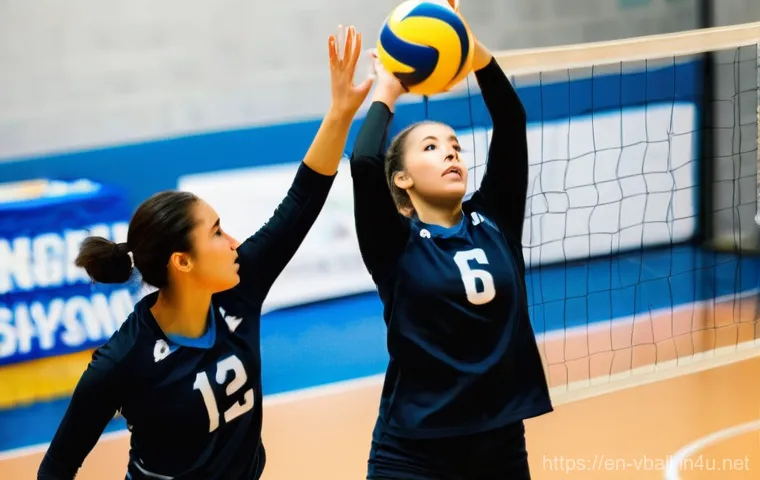
If you love diving, sprawling, and making incredible saves, the libero or defensive specialist position is probably for you. These players are focused almost entirely on defense and serve reception. The libero wears a different colored jersey and has some unique rules – they can’t serve, block, or attack the ball above the net, but they can sub in and out freely without counting against the team’s substitution limit. Their job is to keep the ball from hitting the floor, no matter what! I’ve always admired the tenacity of liberos; they’re truly fearless. They’re often the unsung heroes, making those impossible digs that keep a rally alive. A great libero has incredible reaction time, reads the opposing hitters brilliantly, and has a relentless desire to keep the ball in play.
Smart Practice: Drills to Level Up Your Game
Once you’ve got the basics down, the next step is to refine those skills through smart, targeted practice. Just hitting the ball around randomly is fun, but to really improve, you need drills that focus on specific aspects of the game. I’ve spent countless hours in practice, and what I’ve found is that consistent, focused drill work makes a huge difference. You don’t need a full team or a fancy coach to get better; many drills can be done solo or with just one or two partners. It’s about building muscle memory, improving your reaction time, and enhancing your court awareness. Don’t be afraid to try new things and push your limits; that’s where true growth happens. Remember, every time you touch the ball with purpose, you’re getting better. Here are a few drills that I personally found incredibly helpful when I was starting out, and I still use variations of them today to stay sharp. Consistency is truly the name of the game when it comes to practice.
Wall Drills for Ball Control
The wall is your best friend when you’re starting out, especially if you don’t always have a partner available. Wall drills are fantastic for building consistent ball control for passing and setting. For passing, stand about 5-10 feet from a wall, assume your ready position, and continuously forearm pass the ball against the wall, trying to hit it to the same spot each time. Focus on getting *under* the ball and using your legs. For setting, stand a bit closer, maybe 3-5 feet, and softly set the ball against the wall, aiming for a consistent height and spot. This builds muscle memory in your fingertips and wrists. I’ve spent so many hours doing this, and it genuinely helps you get a feel for the ball without the pressure of a game. It’s amazing how much improvement you can see just from consistent wall work!
Partner Passing and Setting Drills
Once you’re comfortable with solo wall drills, bringing in a partner elevates your practice significantly. For passing, stand 15-20 feet apart and just continuously pass the ball back and forth, focusing on accuracy to your partner’s target area (usually around their head). Try to keep it consistent and controlled. For setting, have one person pass to the setter, who then sets it back to the passer, who passes to the setter again, creating a continuous flow. You can also add a “hitter” where the setter sets the ball, and the “hitter” practices their approach and arm swing (without actually spiking too hard if you’re inside). These drills not only improve your individual skills but also enhance your communication and teamwork, which are vital on the court. It’s a great way to build rhythm with another player.
Beyond the Court: Staying Healthy and Injury-Free
Playing volleyball is an absolute blast, but like any dynamic sport, it comes with its share of physical demands. Taking care of your body *off* the court is just as important as your practice *on* it. I’ve learned this the hard way with a few minor sprains and aches over the years. Pushing yourself too hard without proper recovery is a recipe for disaster and can lead to sidelining injuries that no one wants. Things like proper warm-ups, cool-downs, stretching, and even what you eat, all play a huge role in keeping you in the game. It’s not just about being strong; it’s about being flexible, agile, and resilient. What I’ve found is that dedicating even 10-15 minutes before and after a session to preparing and recovering your body makes a massive difference in how you feel the next day and how quickly you improve. Listen to your body, and don’t try to power through pain – that’s a red flag. Think of it as investing in your long-term volleyball journey.
Warm-ups and Cool-downs: Essential for Longevity
Never, ever skip your warm-up! Seriously, this is a rule I live by now. A good warm-up gets your blood flowing, prepares your muscles for explosive movements, and significantly reduces the risk of injury. Start with some light cardio, like jogging or jumping jacks, for 5-10 minutes. Then move into dynamic stretches – arm circles, leg swings, torso twists – things that move your joints through their full range of motion. After your game or practice, don’t just pack up and leave. A cool-down and static stretching (holding stretches for 20-30 seconds) helps flush out lactic acid, improve flexibility, and aid in muscle recovery. I know it can feel like a chore, but believe me, your body will thank you, especially as you play more frequently. It’s all about maintaining that elasticity and range of motion that’s crucial for quick, powerful movements.
Nutrition and Hydration for Performance
What you put into your body directly impacts what you get out of it on the court. I’ve noticed a huge difference in my energy levels and endurance when I fuel myself properly. Think of your body as a high-performance machine; it needs the right kind of fuel. Focus on a balanced diet rich in lean proteins for muscle repair, complex carbohydrates for sustained energy, and healthy fats for overall health. And hydration? Absolutely non-negotiable! Volleyball is a high-intensity sport, and you’ll be sweating a lot. Drink plenty of water before, during, and after play. Don’t wait until you’re thirsty; by then, you’re already dehydrated. Electrolyte drinks can be helpful during longer sessions, but plain water is usually sufficient. A well-hydrated and well-nourished body performs better, recovers faster, and helps prevent those annoying cramps and fatigue.
Finding Your Tribe: Joining a Team or League
Once you’ve gotten a feel for the ball and understood the basics, the next natural step – and in my opinion, the most rewarding one – is to join a team or a league. Solo practice is great, but nothing beats the energy, camaraderie, and rapid improvement you get from playing with others. It’s where all those drills and individual skills come together in a real game setting. When I joined my first recreational league, it completely transformed my love for the sport. I met incredible people, learned new strategies, and the competitive (but friendly!) atmosphere really pushed me to get better. Don’t be shy about your skill level; most leagues have different divisions for beginners, intermediate players, and advanced players. The key is to find a group that matches your current ability and enthusiasm. It’s not just about playing; it’s about building connections, sharing laughs, and becoming part of a community. Believe me, the friendships you make on the court can last a lifetime!
Where to Look for Local Leagues
Finding a local volleyball league is often easier than you think! A great starting point is your local community center, YMCA, or recreation department. They often run adult recreational leagues throughout the year. Another fantastic resource is online – look for local sports groups on Facebook, Meetup, or dedicated sports league websites. Universities and colleges often host open gym nights or intramural leagues that are open to the public. Don’t underestimate word-of-mouth either; ask friends, co-workers, or anyone you know who plays. I found my current team through a friend who saw a flyer at our local gym. Be specific in your search; look for “beginner volleyball league [your city/town]” or “recreational volleyball open gym.” There’s usually something out there for everyone, no matter your skill level.
Choosing the Right Level for You
When you’re looking to join a league, one of the most important decisions is choosing the right skill level. Most leagues offer divisions like “recreational,” “intermediate,” and “competitive.” As a beginner, I strongly recommend starting in a recreational or beginner-friendly league. This environment is typically more focused on fun, learning, and participation rather than intense competition. It allows you to make mistakes without feeling too much pressure and gives you the space to develop your skills naturally. Trying to jump into an intermediate or competitive league too early can be discouraging and might even lead to feeling overwhelmed. What I’ve found is that a comfortable, supportive environment is key to falling deeper in love with the game and sticking with it. You can always move up to a more challenging division once you feel more confident and skilled. Focus on enjoyment and growth first!
| Volleyball Skill | Key Focus for Beginners | Common Mistakes to Avoid |
|---|---|---|
| Forearm Pass (Bump) | Create a flat platform with forearms, use legs to propel ball, get under the ball. | Swinging arms, hitting with hands, not getting low enough. |
| Setting | Use fingertips above forehead, push with legs and wrists, soft touch for precision. | Shoving the ball, flat hands, hitting with palms, setting too far back. |
| Underhand Serve | Hold ball steady, swing straight arm like a pendulum, hit center of ball with open hand/fist. | Hitting top of ball, swinging too hard, not following through, missing the ball entirely. |
| Defense/Digging | Stay low in ready position, anticipate, use forearms or hands depending on ball trajectory. | Standing upright, not moving feet, crossing arms too early. |
| Blocking | Jump straight up at the net, hands high and spread, penetrate the net. | Jumping too early/late, not getting hands over the net, touching the net. |
Wrapping Things Up
So, there you have it! Starting your volleyball journey might seem like a lot to take in at first, but honestly, it’s one of the most rewarding adventures you can embark on. What I really hope you take away from this is that it’s all about taking those first steps, being patient with yourself, and most importantly, having an absolute blast. Don’t let the fear of making mistakes hold you back; every single person on that court, from the seasoned veteran to the beginner, started exactly where you are now. Embrace the learning process, enjoy the incredible teamwork, and just have fun with the ball. Before you know it, you’ll be making those incredible plays you once only dreamed of!
Useful Info to Keep in Your Back Pocket
1. Don’t be afraid to ask questions! Seriously, every experienced player remembers what it was like to be new, and most are more than happy to share tips or clarify rules. Just politely ask after a game or practice.
2. Watch the pros! There’s so much you can learn just by observing high-level games. Pay attention to their footwork, court positioning, and how they communicate. You can pick up little nuances that will make a big difference.
3. Find a “volleyball buddy.” Having someone else who’s also starting out or just a bit ahead of you can be incredibly motivating. You can practice together, encourage each other, and even carpool to games!
4. Prioritize recovery. I can’t stress this enough. A little stretching, foam rolling, and getting enough sleep will make you feel so much better and keep you on the court, avoiding those nagging injuries.
5. Set small, achievable goals. Instead of aiming to be an Olympic-level spiker overnight, focus on consistent serving, making a good pass, or communicating effectively. Celebrate those small wins!
Key Takeaways for Your Volleyball Start
Getting into volleyball is an exciting journey that’s more accessible than you might think. Focus on getting the right gear, especially comfortable court shoes and knee pads, to keep you safe and confident. Start by mastering the fundamental skills like the forearm pass, setting, and the underhand serve – these are your building blocks. Understanding basic rules, especially the three-touch rule and rotation, will help you play smarter and enjoy the game more. Remember that volleyball is a team sport; learn about different positions and how to work together. Smart, consistent practice, even with just a wall or a partner, is crucial for improvement. Always prioritize your body with proper warm-ups, cool-downs, and good nutrition to stay injury-free. Finally, joining a local league or team is the absolute best way to fully immerse yourself, make new friends, and experience the true joy of the sport. Just get out there, have fun, and enjoy the ride!
Frequently Asked Questions (FAQ) 📖
Q: What essential gear do I actually need to start playing volleyball without breaking the bank?
A: This is such a smart question, and one I get all the time! When I first started, I thought I needed all the fancy stuff, but honestly, you can get by with just a few key items.
First and foremost, you absolutely need a good pair of volleyball shoes. Trust me on this one; regular sneakers just won’t cut it. Volleyball shoes are specifically designed for the quick lateral movements, jumps, and sudden stops you’ll be doing, offering crucial grip and ankle support to keep you safe and agile on the court.
You don’t want to twist an ankle on your first dive! Next up, and almost as important, are knee pads. You’ll be diving, sliding, and hitting the floor more than you expect, especially as you learn.
Knee pads provide cushioning and prevent those nasty scrapes and bruises that can really sideline your enthusiasm. I learned this the hard way with a few scraped knees in my early days!
Beyond that, a decent volleyball itself is super helpful for practicing at home. Many gyms or groups will have balls, but having your own allows you to get extra reps in.
Look for one that’s a standard size and weight, usually made of synthetic leather for a good feel and durability. Lastly, comfortable, athletic clothing that allows for full range of motion is a must.
Think moisture-wicking fabrics, shorts or leggings, and a t-shirt or jersey. A water bottle is also a non-negotiable for staying hydrated during those intense rallies.
You’ll be surprised how much you sweat! You don’t need all the bells and whistles right away, just focus on these core items, and you’ll be ready to hit the court with confidence and comfort.
Q: What are the absolute most important basic skills I should focus on first as a complete beginner? There are so many, it feels overwhelming!
A: Oh, I totally hear you! When you’re new, volleyball can seem like a whirlwind of bumps, sets, and spikes. It’s easy to feel overwhelmed, but let’s cut through the noise.
From my own experience, and what I always tell aspiring players, the three foundational skills you should master first are serving, passing (or bumping), and setting.
Serving is your game’s starting point, right? Learning a consistent serve, even a simple underhand one, gives you confidence and gets the ball in play.
It’s the first chance to control the game, and trust me, landing a good serve feels amazing! Next, passing – often called bumping – is crucial. This is how you receive the opponent’s serve or attack and get the ball to your setter.
Think of your forearms creating a flat, stable platform. When I learned to consistently pass, it felt like the game finally started to make sense! It’s all about getting low, watching the ball, and using your legs, not just your arms.
Finally, setting. This is typically the second contact, where you use your fingertips to direct the ball perfectly to a hitter. Even if you’re not aiming for a huge spike yet, learning to gently guide the ball upwards and forwards helps your team organize their attack.
You’ll spend a lot of time just tossing the ball above your head and catching it to get the feel of proper hand positioning. Don’t worry about spiking or blocking just yet; those come later once you’ve built a solid foundation with these three.
Focus on these, practice them consistently, and you’ll build a fantastic base that makes learning everything else so much easier and more fun!
Q: I’m new to the area and don’t know anyone who plays. How can I find a beginner-friendly place or group to play volleyball with?
A: This is a fantastic and very common hurdle, but it’s totally surmountable! I remember feeling a bit out of place when I moved cities and had to find a new volleyball crew.
My absolute top tip is to start local and online. Seriously, the internet is your friend here! Look for local recreational sports leagues or community centers in your area that offer beginner or “rec” level volleyball programs.
Websites like Meetup.com, Facebook groups dedicated to local sports, or even your town’s parks and recreation department websites are goldmines for finding these.
Often, these leagues are designed specifically for people who are new to the sport or just want to play casually and have fun, so you won’t feel out of place even if you’ve never touched a ball before.
Another great avenue is checking out local volleyball clubs. Many clubs, even those with competitive teams, offer “clinics” or “open gym” sessions that are perfect for beginners to learn fundamentals and meet other players in a low-pressure environment.
I’ve seen countless friendships forged during these types of sessions! Don’t be shy about reaching out directly to these organizations; ask if they have beginner-specific programs or if they can recommend any.
You might even find some schools or colleges in your area offer summer camps or evening programs that are open to the community. The key is putting yourself out there.
You’ll quickly discover that the volleyball community is incredibly welcoming, and before you know it, you’ll have a whole new circle of friends to bump, set, and spike with!