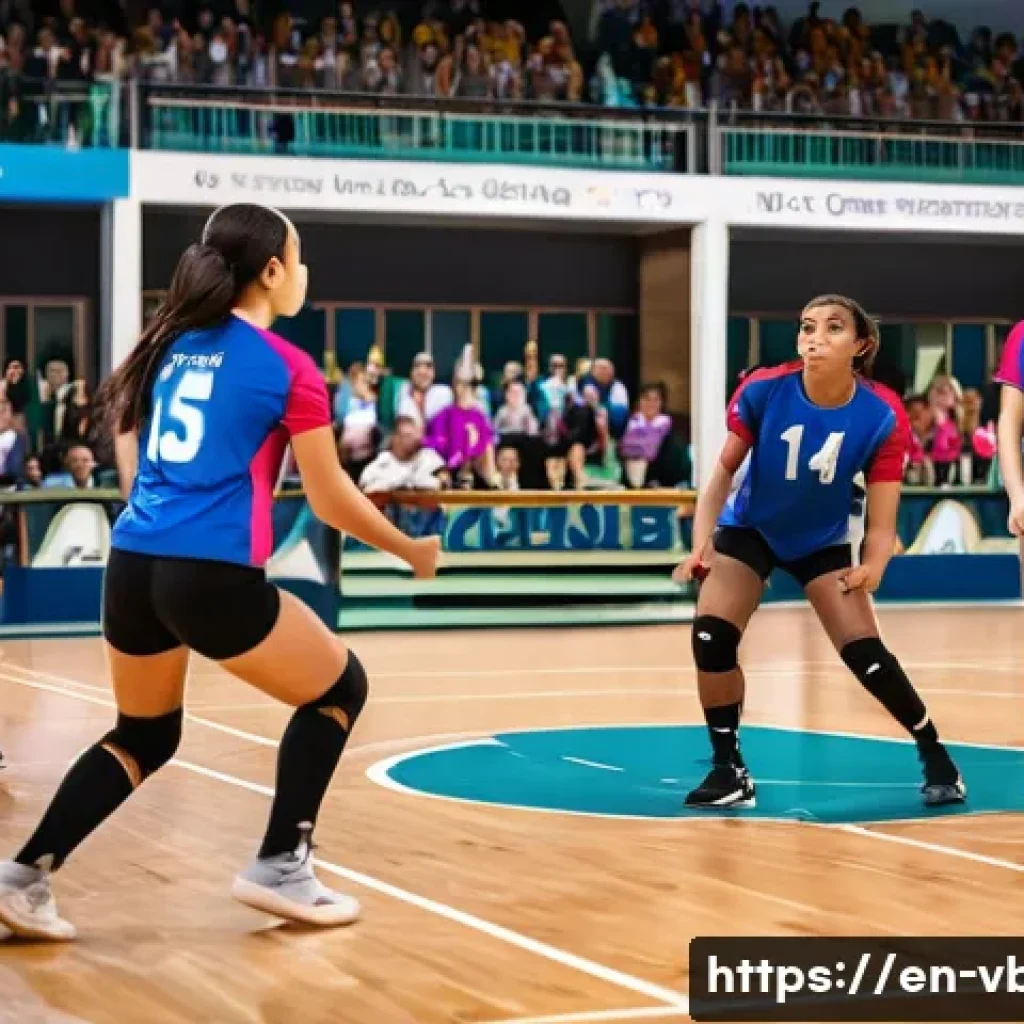
In the fast-paced world of volleyball, strong team leadership can be the game-changer that turns a close match into a decisive victory. Leadership on the court goes beyond just calling plays; it’s about inspiring trust, managing pressure, and fostering seamless communication among teammates.
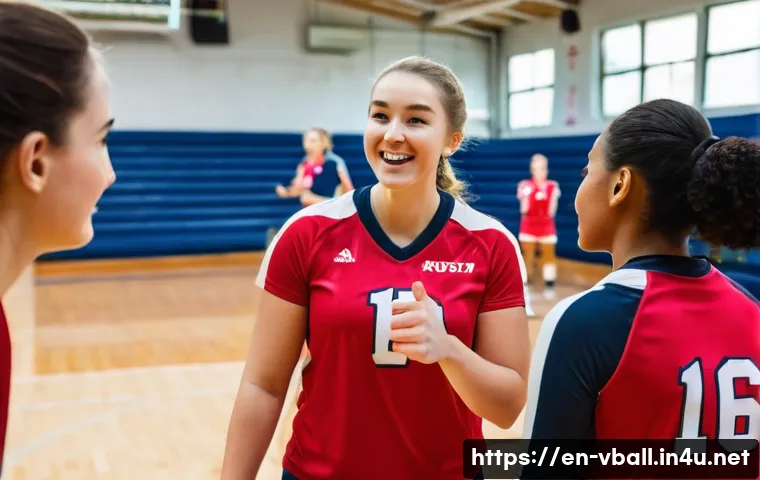
From my experience, the best leaders elevate everyone’s performance, creating a synergy that feels almost unstoppable. Developing these skills isn’t just for captains—it’s a vital part of building a winning culture.
Let’s dive deeper and explore how effective leadership can transform a volleyball team’s dynamics. Stay with me as we uncover the secrets behind powerful team leadership!
Building Trust and Accountability on the Court
Leading by Example
One of the most powerful ways to gain the respect of your teammates is to lead through your actions. When a leader hustles for every ball, communicates clearly, and maintains composure under pressure, it sets a tone that others naturally want to follow.
I’ve noticed that when leaders demonstrate dedication and a positive attitude, the whole team mirrors that energy. It’s not about being perfect but showing relentless effort and resilience.
This kind of leadership builds trust because teammates feel confident their leader is fully invested in the game and their collective success.
Encouraging Open Communication
Effective leaders create an environment where players feel safe to speak up, share ideas, and express concerns without fear of judgment. This openness can prevent misunderstandings and allow quick adjustments during a match.
From my experience, encouraging honest feedback during timeouts or breaks helps the team refine strategies on the fly. Moreover, when everyone knows their voice matters, it fosters a stronger sense of ownership and unity.
Leaders who actively listen and respond empathetically become pillars of support that teammates rely on.
Holding Everyone Accountable
Accountability isn’t about blame; it’s about ensuring that every team member takes responsibility for their role. A strong leader tactfully addresses mistakes and encourages learning rather than dwelling on errors.
I’ve found that when accountability is woven into the team culture, players push themselves harder and support each other’s growth. Leaders must balance firmness with encouragement, showing that everyone’s contribution is vital to the team’s success.
This approach helps prevent resentment and keeps motivation high.
Mastering Emotional Control During High-Stakes Moments
Recognizing Pressure Triggers
In tight matches, emotions can run high, often leading to rushed decisions or frustration. Leaders who understand what triggers stress—be it a missed serve or an opponent’s aggressive play—can better manage their responses.
I’ve learned that recognizing these moments early allows leaders to take a deep breath, reset mentally, and guide the team calmly. This emotional awareness doesn’t just help the leader stay focused; it also sets a calming example that diffuses tension among teammates.
Using Positive Reinforcement
When pressure builds, it’s easy to fall into a cycle of criticism and negativity. However, the best leaders know how to use positive reinforcement to lift spirits and maintain confidence.
Simple phrases like “Great hustle” or “We’ve got this” can shift the team’s mindset instantly. From personal experience, I’ve seen how a well-timed compliment or nod of approval can energize players and spark a comeback.
Leaders who master this skill keep their team’s morale high, even when the scoreboard isn’t in their favor.
Implementing Mental Breaks
During intense rallies or long matches, brief mental breaks can be game-changers. Leaders might call for a quick timeout or use a brief pause between points to help teammates reset.
I’ve noticed that these moments allow players to clear their heads, refocus on strategy, and release built-up tension. It’s a subtle but effective leadership tactic that keeps the team mentally fresh and ready to perform at their best when the next play starts.
Fostering Seamless Communication Among Teammates
Establishing Clear Signals
Effective communication often relies on non-verbal cues, especially in noisy gym environments. Leaders who help the team develop clear hand signals or eye contact routines reduce confusion during fast-paced plays.
From what I’ve experienced, having a shared communication system streamlines coordination, whether it’s calling out defensive switches or signaling an upcoming play.
This clarity builds confidence, as everyone knows what to expect and can react quickly.
Promoting Active Listening
Good communication is a two-way street. Leaders encourage teammates to listen attentively to instructions, feedback, and each other’s observations. I’ve found that teams who practice active listening avoid costly miscommunications and can adapt better mid-game.
Leaders model this behavior by making eye contact, nodding, and confirming understanding. This creates a culture where communication flows naturally and efficiently.
Encouraging Constructive Feedback
Not all feedback is created equal. Leaders foster a habit of giving feedback that’s specific, actionable, and supportive rather than vague or critical.
I’ve seen how teams improve dramatically when players feel comfortable offering and receiving constructive criticism. This feedback loop strengthens trust and sharpens skills, ultimately raising the entire team’s performance.
Developing Decision-Making Skills Under Pressure
Reading the Game Intuitively
Top leaders develop an instinct for anticipating opponents’ moves and reading game flow. This intuition comes from experience and a deep understanding of volleyball dynamics.
I recall matches where quick decisions—like calling a strategic timeout or switching defensive formations—turned the tide in our favor. Leaders who hone this skill help the team stay one step ahead, making it harder for opponents to capitalize on mistakes.
Balancing Risk and Reward
Deciding when to take a calculated risk versus playing it safe is a critical leadership skill. I’ve noticed that leaders who weigh the score, time left, and team energy before making calls tend to make smarter choices.
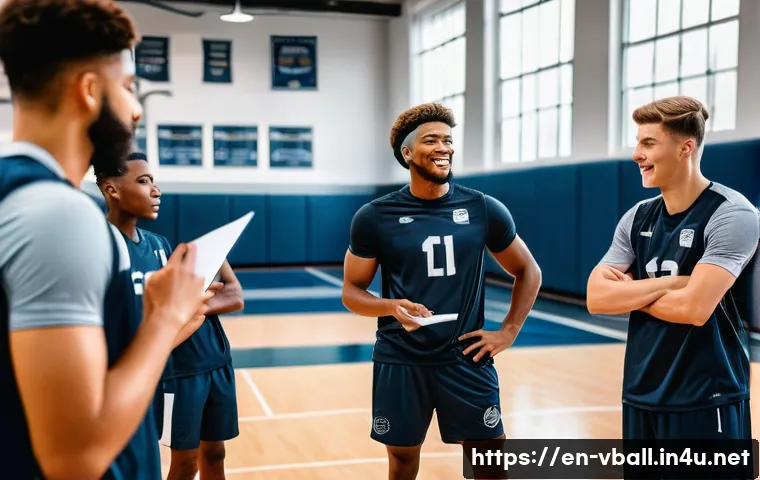
Sometimes pushing for an aggressive attack is worth it; other times, maintaining steady play preserves momentum. This balance keeps the team adaptable and confident, even in unpredictable match situations.
Empowering Teammates to Decide
Great leaders don’t monopolize decisions; they empower others to step up and make calls when appropriate. From my experience, sharing decision-making responsibilities builds leadership depth and keeps the team dynamic.
It also helps players develop confidence and problem-solving skills on the court. Leaders who trust their teammates cultivate a more resilient and versatile squad.
Creating a Culture of Continuous Improvement
Setting Clear Goals Together
Leaders who involve the team in setting realistic and challenging goals foster a collective sense of purpose. I’ve seen how shared objectives—like improving serve accuracy or communication—motivate players to push harder in practice and games.
When everyone understands and owns the goals, it transforms individual effort into cohesive progress.
Encouraging Reflection and Learning
After every match or practice, strong leaders facilitate honest reflection sessions. I’ve found that discussing what worked and what didn’t, without blame, helps the team grow faster.
Leaders guide these conversations by asking open-ended questions and highlighting lessons learned. This continuous feedback cycle drives improvement and builds a growth mindset.
Celebrating Milestones and Efforts
Recognizing progress, no matter how small, is essential for sustaining motivation. From personal experience, celebrating milestones like improved teamwork or personal bests keeps spirits high.
Leaders who acknowledge effort and progress foster a positive environment where players feel valued and eager to keep developing.
Key Components of Volleyball Team Leadership
| Leadership Element | Impact on Team | Practical Example |
|---|---|---|
| Leading by Example | Builds trust and motivation | Consistently hustling for loose balls |
| Open Communication | Prevents confusion, enhances teamwork | Using hand signals during plays |
| Emotional Control | Keeps team calm under pressure | Positive reinforcement after mistakes |
| Decision-Making | Improves strategic play | Calling timely timeouts |
| Continuous Improvement | Drives skill development | Post-game reflection meetings |
Balancing Authority and Approachability as a Leader
Maintaining Respect Without Intimidation
Leadership requires earning respect, but it’s crucial that it doesn’t come across as authoritarian or intimidating. From my observations, leaders who stay humble and approachable tend to create stronger bonds with teammates.
When players feel comfortable approaching their leader with questions or concerns, it fosters transparency and trust. It’s about striking that delicate balance—being firm when necessary but open and friendly most of the time.
Being Accessible and Supportive
Approachability means being available not just during games but also in practice and off the court. I’ve found that leaders who check in on teammates’ mental and physical well-being build stronger team cohesion.
Sometimes a quick conversation about how someone’s feeling can prevent bigger issues later. Supportive leaders act as mentors and motivators, helping players navigate challenges both on and off the court.
Encouraging Leadership Growth in Others
The most effective leaders understand that leadership is not a solo role. Encouraging teammates to develop their own leadership skills distributes responsibility and strengthens the whole team.
I’ve seen this work wonders when players take turns leading drills or organizing team meetings. This shared leadership model promotes confidence and resilience, ensuring the team is never dependent on just one person.
글을 마치며
Building trust and accountability on the court is the foundation of any successful team. By leading through actions, encouraging open communication, and maintaining emotional control, leaders create a positive and resilient environment. Developing strong decision-making skills and fostering continuous improvement help teams adapt and grow together. Ultimately, balancing authority with approachability ensures lasting respect and unity among teammates.
알아두면 쓸모 있는 정보
1. Consistent leadership behavior, like hustling and clear communication, naturally inspires teammates to elevate their game.
2. Creating safe spaces for honest dialogue reduces misunderstandings and strengthens team cohesion during high-pressure moments.
3. Positive reinforcement not only boosts morale but can also turn the tide in challenging match situations.
4. Establishing clear non-verbal signals is crucial in noisy environments to maintain smooth and effective on-court communication.
5. Encouraging shared decision-making empowers teammates and builds a more adaptable, confident squad.
중요 사항 정리
Effective volleyball leadership thrives on leading by example, fostering open and constructive communication, and mastering emotional control during critical moments. Accountability should be encouraged without blame, promoting growth and motivation. Leaders must develop sharp decision-making skills while empowering others to contribute, ensuring the team remains dynamic and resilient. Balancing authority with approachability builds trust and strengthens team bonds, ultimately driving collective success.
Frequently Asked Questions (FAQ) 📖
Q: How can a volleyball team captain effectively inspire trust among teammates?
A: Building trust starts with consistency and transparency. When a captain openly communicates intentions, admits mistakes, and supports teammates both on and off the court, players feel valued and confident.
From what I’ve seen firsthand, showing genuine care and leading by example—whether through hard work in practice or positive encouragement during tough moments—creates a foundation where trust naturally flourishes.
Q: What are some practical ways to manage pressure during a tight volleyball match?
A: Managing pressure is as much mental as physical. Effective leaders help their team stay focused by breaking the game into smaller, manageable moments instead of fixating on the overall score.
Techniques like deep breathing, positive self-talk, and reminding teammates of their training can calm nerves. I’ve noticed that leaders who maintain a calm demeanor themselves act like a steady anchor, helping the whole team keep their composure when the stakes are high.
Q: How does strong leadership improve communication on a volleyball team?
A: Great leadership fosters an environment where open communication is encouraged and mistakes are treated as learning opportunities rather than failures.
A leader who actively listens and facilitates clear, concise calls on the court reduces confusion and speeds up decision-making. In my experience, when players trust that their voices matter and that feedback is constructive, the team’s overall coordination skyrockets, leading to smoother plays and better results.