Whether you’re a casual player or a competitive athlete, understanding the correct volleyball net height is essential for fair play and improving your game.
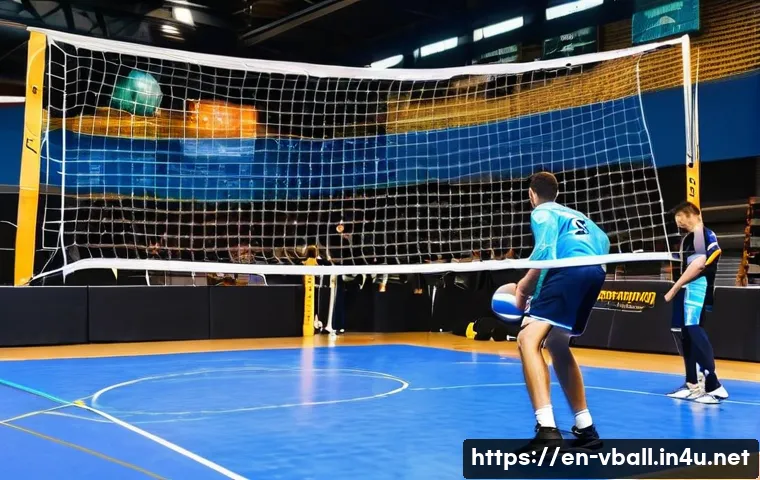
The official net height varies depending on age and gender, and knowing how to adjust it properly can make a huge difference in training sessions and matches.
I’ve spent time setting up nets for different events, and trust me, getting the height right isn’t just about rules—it’s about safety and performance too.
From beginner leagues to professional tournaments, the right net setup creates the perfect playing environment. Let’s dive into the details and make sure you know exactly how to set your volleyball net for success!
Understanding the Standard Measurements for Volleyball Nets
Men’s and Women’s Official Net Heights
The official volleyball net height is different for men and women, which is something many casual players might overlook. For men’s indoor volleyball, the net height is set at 7 feet 11 5/8 inches (2.43 meters), while for women, it’s slightly lower at 7 feet 4 1/8 inches (2.24 meters).
This difference accounts for average physiological variations, ensuring the game remains competitive and fair across genders. I remember setting up nets for a mixed tournament once, and it was crucial to adjust the net to the right height so players didn’t have an unfair advantage or face injury risks from an improperly set net.
Younger Age Groups and Recreational Play
For kids and younger athletes, the net height is usually reduced to accommodate their growth and skill level. Junior leagues often set the net at heights ranging from 6 feet 6 inches to 7 feet, depending on the age bracket.
This scaling helps maintain safety and encourages proper technique development. When coaching a youth volleyball camp, I noticed how much easier it was for kids to engage and enjoy the sport when the net was at a manageable height—they could practice spikes and blocks without constant frustration or injury risk.
Outdoor and Beach Volleyball Variations
Beach volleyball nets also have standard heights, but they can differ slightly from indoor standards. For men, the net height remains at 7 feet 11 5/8 inches, and for women, 7 feet 4 1/8 inches, consistent with indoor play.
However, the outdoor environment—wind, sand, and uneven surfaces—adds layers of complexity that make accurate net height even more critical. I’ve played on both indoor courts and beach setups, and the net’s correct height really influences how you approach your jumps and timing, especially with the unpredictable outdoor conditions.
Practical Tips for Accurate Net Setup
Using Measuring Tools Effectively
One of the most reliable ways to ensure your volleyball net is set at the correct height is by using a tape measure or a specialized net height gauge.
While many nets have built-in height markings, they’re not always precise. I once saw a game where the net was off by a couple of inches because the setup crew relied solely on visual estimation—players quickly noticed, and it affected the entire match’s flow.
Taking a few extra minutes to measure properly can save you from disputes and maintain the integrity of the game.
Adjusting for Different Court Types
Indoor and outdoor courts often have different net post systems, which means the adjustment methods can vary. Indoor systems usually have ratchet mechanisms that lock the net securely at the desired height, while outdoor setups might require manual tightening and checking.
In my experience setting up nets for various events, I’ve learned that double-checking the tension and height before every match is key because outdoor conditions can cause nets to sag or shift, throwing off your setup.
Common Mistakes to Avoid When Setting Net Height
A frequent mistake I’ve encountered is neglecting to level the net from side to side. Even if the height is correct on one end, the other side might be lower, which can cause an unfair advantage or disrupt gameplay.
Also, not accounting for the net’s sag in the middle can lead to inaccuracies. I always recommend measuring both ends and the center to ensure consistency.
Another overlooked point is the padding or attachments on the poles, which can affect the net’s effective height if not considered.
How Proper Net Height Impacts Player Performance
Enhancing Skill Development
Setting the net at the correct height is more than just ticking a rule box—it directly influences how players develop their skills. For instance, if the net is too high for younger players, they might struggle with timing and technique, leading to frustration and slow progress.
When coaching juniors, I noticed that adjusting the net to their skill level encouraged more aggressive plays and quicker learning curves, boosting their confidence and love for the game.
Reducing Injury Risks
Playing with an incorrectly set net height can increase the risk of injuries, especially during blocking and spiking. Overreaching or awkward jumps caused by a net that’s too high or too low puts strain on joints and muscles.
I’ve witnessed players tweak ankles or strain shoulders simply because the net height forced unnatural movements. Keeping the net at the right height ensures players can perform at their best safely, which is vital whether you’re training or competing.
Improving Game Fairness and Flow
When the net height is spot-on, matches tend to flow more smoothly. Players feel the game is fair, and referees have fewer disputes to handle. In tournaments I’ve helped organize, meticulous net setup minimized complaints and allowed athletes to focus on strategy and teamwork.
It’s amazing how a small detail like a few inches can affect the overall spirit and competitiveness of a match.
Adjusting Net Height for Different Volleyball Variants
Setting Up for Sitting Volleyball
Sitting volleyball, a Paralympic sport, uses a lower net height to accommodate athletes who play seated on the floor. The net is set at 1.15 meters (3 feet 9 inches) for men and 1.05 meters (3 feet 5 inches) for women.
This lower height demands precise measurement tools, as even slight miscalculations can impact the gameplay significantly. I once attended a sitting volleyball event and was impressed by how these adjustments create an entirely different yet equally exciting dynamic.
Youth and Recreational Modifications
Recreational leagues often tweak net heights to fit mixed abilities and age ranges. For example, co-ed leagues might use a height between the men’s and women’s official standards to level the playing field.
I’ve been part of community leagues where this middle ground approach kept the game competitive and fun for all participants, showing that flexibility in net height can be a great tool for inclusivity.
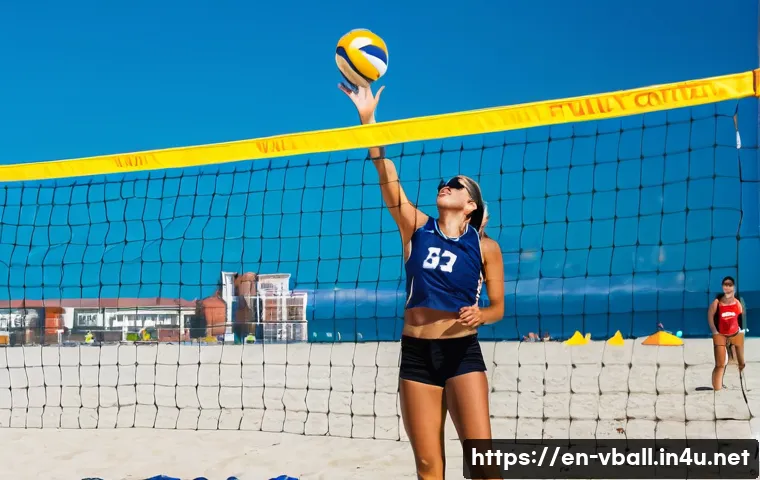
Beach Volleyball Net Setup Tips
Unlike indoor courts, beach volleyball nets may need frequent rechecking due to environmental factors like wind and shifting sand. Setting the net height outdoors means you should also account for pole stability and net tension, which affect the actual playing height.
I’ve had to redo net setups multiple times during beach tournaments because the poles sank slightly into the sand, altering the net height after the initial setup.
Essential Tools and Equipment for Net Height Adjustment
Choosing the Right Measuring Devices
A reliable tape measure is a must-have, but for those who want precision, a net height gauge designed specifically for volleyball is invaluable. These gauges are simple to use and quickly confirm the exact height across the entire net.
From personal experience, investing in one of these tools saves a lot of hassle, especially when managing multiple nets or organizing tournaments.
Net Tension and Support Systems
Proper net height is only half the equation; the net must also be taut and stable. Many nets come with ratchet straps or winches to maintain tension. When I set up nets for competitive play, I always make sure the tension is firm but not overstretched, as this can warp the net and affect height measurements.
In outdoor setups, adding guy lines or stakes for extra pole support can prevent sagging caused by wind or uneven ground.
Maintenance Tips for Longevity and Accuracy
Regularly inspecting and maintaining your net and its hardware prolongs their lifespan and ensures accurate height settings every time. After several events, I noticed that worn-out straps or bent poles could cause inconsistent net heights, so I recommend checking for damage before every use.
Cleaning the net and lubricating moving parts on the poles also help keep the system running smoothly.
Quick Reference Table for Official Volleyball Net Heights
| Category | Net Height (Feet & Inches) | Net Height (Meters) |
|---|---|---|
| Men’s Indoor Volleyball | 7′ 11 5/8″ | 2.43 |
| Women’s Indoor Volleyball | 7′ 4 1/8″ | 2.24 |
| Junior Boys (Ages 12-14) | 7′ 0″ | 2.13 |
| Junior Girls (Ages 12-14) | 6′ 6″ | 1.98 |
| Beach Volleyball (Men) | 7′ 11 5/8″ | 2.43 |
| Beach Volleyball (Women) | 7′ 4 1/8″ | 2.24 |
| Sitting Volleyball (Men) | 3′ 9″ | 1.15 |
| Sitting Volleyball (Women) | 3′ 5″ | 1.05 |
How to Adapt Your Net Setup for Different Skill Levels
Beginner Friendly Heights
For beginners, especially kids or new adult players, lowering the net slightly below official heights can be beneficial. This approach reduces intimidation and helps players build confidence as they master basic skills like serving and blocking.
From my coaching experience, even a 6-inch adjustment can make a big difference in how willing players are to attempt new moves without fear of failure.
Intermediate to Advanced Adjustments
As players improve, gradually raising the net to official heights or slightly above can challenge their skills and promote growth. I’ve found that competitive leagues often tweak net height within small margins to push players’ limits safely, which keeps training sessions engaging and productive.
This incremental approach makes sense because it aligns with athletes’ physical development and skill refinement.
Customizing for Mixed Ability Groups
When groups have a wide range of abilities, finding a compromise net height can keep the game fair and enjoyable for everyone. For example, community or co-ed leagues might set the net somewhere between men’s and women’s standards or lower it for mixed ages.
I’ve organized several events where this flexibility encouraged participation and minimized frustration, proving that net height isn’t a one-size-fits-all rule but a tool to enhance the experience.
Conclusion
Understanding the proper net height for volleyball is essential for fair play, skill development, and player safety. Whether you’re setting up for a professional match or a casual game, paying attention to the details ensures a better experience for everyone involved. Adjusting net height thoughtfully can make the game more enjoyable and inclusive for all skill levels.
Useful Information to Remember
1. Official net heights differ between men’s and women’s volleyball, with men’s nets set higher to match average physical differences.
2. Youth and recreational leagues often lower the net to accommodate younger players and beginners, promoting confidence and safety.
3. Outdoor and beach volleyball require careful net tension and frequent adjustments due to environmental factors like wind and sand.
4. Specialized net height tools, such as volleyball net gauges, improve setup accuracy and prevent disputes during games.
5. Customizing net height for mixed abilities and different skill levels helps maintain fairness and encourages participation.
Key Takeaways
Proper net height is a critical but sometimes overlooked factor that directly affects gameplay quality, player safety, and enjoyment. Always measure carefully using reliable tools and adjust for the type of volleyball and player group. Regular maintenance of nets and equipment ensures consistency and longevity. By tailoring net heights to the needs of your players—whether beginners, advanced athletes, or those with special requirements—you create a more engaging and inclusive volleyball environment.
Frequently Asked Questions (FAQ) 📖
Q: What is the official volleyball net height for men and women?
A: For official indoor volleyball, the net height is set at 7 feet 11 5/8 inches (2.43 meters) for men and 7 feet 4 1/8 inches (2.24 meters) for women. These standards are used in most competitive leagues and tournaments worldwide.
Setting the net at the correct height ensures fair play and helps players develop skills appropriate for their division. When I’ve set up nets for mixed or recreational games, adjusting to these official heights made a noticeable difference in the quality and flow of the game.
Q: How do I properly adjust the volleyball net height for different age groups?
A: Different age groups, especially youth players, require lower net heights to match their physical development and skill levels. For example, boys aged 12-14 usually play with a net height around 7 feet (2.13 meters), while younger kids might play even lower, around 6 feet 6 inches (1.98 meters).
Girls’ youth leagues often have slightly lower nets too. When organizing training sessions, I always check the age-specific guidelines before setting the net.
This not only promotes better technique but also reduces injury risks by preventing players from overreaching or straining themselves.
Q: Why is it important to get the net height exactly right beyond just following the rules?
A: Beyond official regulations, the right net height is crucial for player safety and performance. If the net is too high, players may overextend or risk injury trying to block or spike.
Too low, and the game loses its competitive edge, making it less challenging and less rewarding. From my experience volunteering at tournaments, I’ve seen that proper net setup boosts players’ confidence and engagement.
It helps create a balanced playing field where skills can shine without unnecessary frustration or safety concerns. Getting this detail right truly elevates the entire volleyball experience.